Zohran Mamdani and Trump: What Does the Warmth Buy NYC?
By Tanya Brooks, PowerVault Staff Zohran Mamdani’s rapport with Donald Trump is drawing scrutiny after a Fox News interview highlighted their unexpected political warmth. The New York City mayor and the president have...
Advertisement

By Tanya Brooks, PowerVault Staff
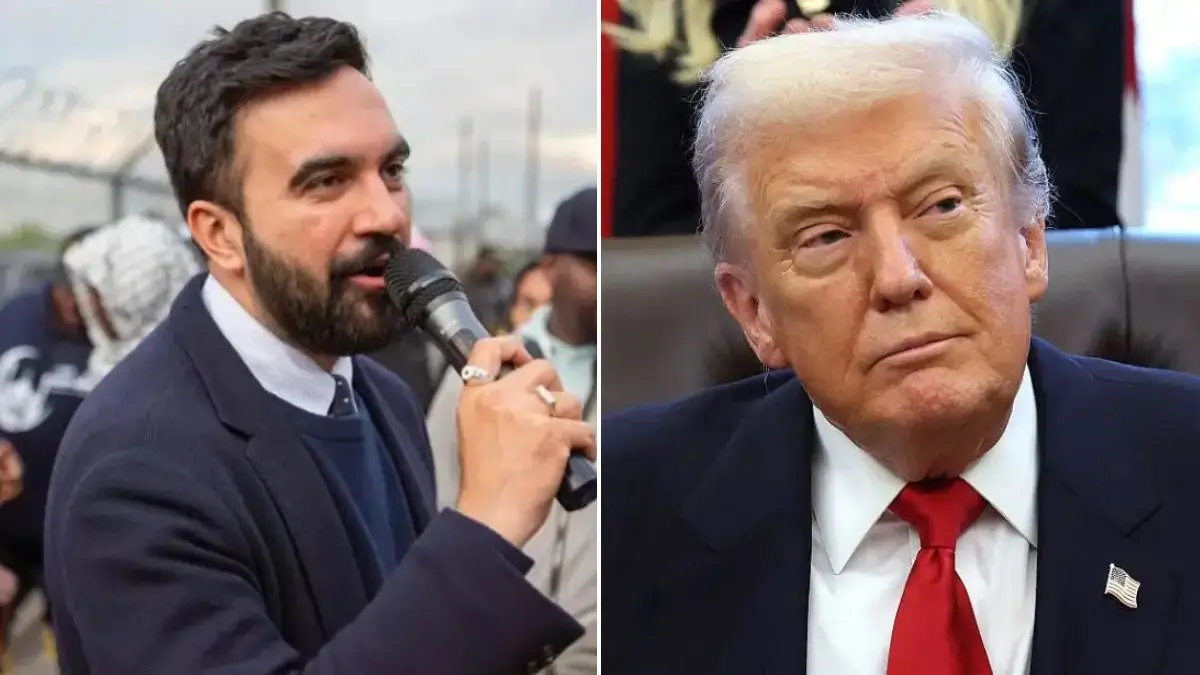
Zohran Mamdani’s rapport with Donald Trump is drawing scrutiny after a Fox News interview highlighted their unexpected political warmth. The New York City mayor and the president have traded sharp attacks, according to Atlanta Black Star’s account, then appeared noticeably friendlier during public encounters. That contrast deserves attention. But Black New Yorkers need a better question than whether these two enjoy talking. Does their relationship protect housing money, strengthen public services, or secure anything residents can actually use? For families budgeting around rent and groceries, the value of access depends on what changes when the meeting is over. Political chemistry makes easy television. A documented commitment would make a much stronger story.
Atlanta Black Star describes Fox News host Shannon Bream questioning Mamdani about his relationship with Trump. The supplied excerpt does not include Bream’s exact question or the mayor’s complete answer. That omission matters. There is no responsible basis here for declaring that Mamdani confessed something, abandoned a position, or got exposed telling a lie. A headline suggesting surprise cannot substitute for the words that would show what surprised him or how he actually responded. The outlet’s account establishes the subject of the exchange, not its full meaning. Its earlier report about Mamdani discussing Trump before their meeting provides background on this relationship. Readers should distinguish that reported history from claims about an interview they have not seen in full.
The contrast begins with language the supplied account attributes to both men. Trump previously called Mamdani a “lunatic,” according to Atlanta Black Star. The mayor, the outlet reports, has called Trump an authoritarian. Those descriptions carry different political meanings. One attacks a person’s fitness; the other describes an approach to power. Neither disappears because its speaker later smiles for a camera. Calling a president authoritarian puts a spotlight on limits on executive power, not simply whether the mayor finds him personally agreeable over a conversation. Public officials can disagree fiercely and still conduct business, but voters deserve to know whether the disagreement remains substantive. The Fox News post accompanying the coverage follows below and should be evaluated alongside those limits.
A recorded exchange can establish what someone said during that exchange. It cannot, by itself, establish a private alliance or prove that policy differences have vanished. Federal and city governments also have overlapping responsibilities, making contact between a president and a mayor ordinary governing business. Congress controls appropriations, federal agencies administer programs, and courts can review disputed actions. A friendly president cannot personally guarantee every outcome a mayor wants. Nor can a mayor replace legal protections with a good conversation. Residents need commitments that responsible agencies can implement and that remain enforceable when personal warmth cools or political incentives change. Those institutional limits matter more than a handshake, especially for residents whose housing or neighborhood services depend partly on federal support.
The supplied account identifies no funding agreement, signed commitment, or policy concession resulting from this warmth. That does not establish that nothing has happened elsewhere. It means this material does not demonstrate a concrete benefit. Any claim that Mamdani’s approach is working needs evidence beyond the president sounding pleased with him. The reverse also applies: cordiality alone does not prove that the mayor has surrendered his politics. A useful test would compare his stated positions, subsequent decisions, and any federal commitments made to the city. That comparison should identify who benefits, who remains exposed, and whether promised help actually reaches its destination. The Aaron Rupar post supplied with this story follows below; any conclusions should stay within what its contents actually establish.
That distinction between a recorded exchange and a documented commitment has a long New York history. During the city’s 1975 fiscal crisis, the Daily News published its famous “FORD TO CITY: DROP DEAD” headline after President Gerald Ford opposed a federal bailout. Ford later signed legislation authorizing federal loans. The money mattered more than the headline, even though the headline endured. President Jimmy Carter’s 1977 visit to the South Bronx offered another enduring image of Washington confronting urban distress. Neither episode makes today’s circumstances identical. Both show why presidential attention must be measured against government action. A neighborhood can become a national symbol without its residents gaining the resources they need. Visibility creates an opening for accountability, not proof of delivery. New Yorkers have spent generations learning that being seen by Washington is not the same as being served.
The real test is whether this relationship delivers anything beyond better pictures for powerful men.
Access is useful only when somebody outside the room gets something from it.
Mamdani should not be expected to turn every federal meeting into a televised confrontation. Performing hostility can waste an opportunity just as easily as performing friendship. His responsibility is to make the purpose of engagement legible to the people who elected him. What did he request? What did Trump agree to consider? What remains disputed? Those answers would let residents judge strategy without guessing at motives. Reporting back should also distinguish an encouraging response from an actual approval, with a timeline residents can check rather than another vague assurance. Access is useful only when somebody outside the room gets something from it. If cordiality opens a door, walk through it. Then explain what came back through that door for tenants, workers, and families who cannot call the White House themselves.
Political media has its own responsibility here. A question about personal familiarity can illuminate how power works, but it can also turn government into a celebrity friendship watch. The press should pursue the next question with equal energy: Which decisions changed? That means requesting records and pressing officials for specifics, even when a playful exchange produces a cleaner clip and a much easier headline to sell. PVN’s coverage of Mitch McConnell’s health and Republican political stakes belongs to the same broader challenge of connecting a prominent figure’s circumstances to public consequences. Personality coverage earns its space when it explains power. Otherwise, audiences get another reaction shot while the decisions affecting their lives happen elsewhere. The accompanying YouTube video follows below; viewers should separate what it documents from what commentators infer.
The video above should face the same standard as any political clip: watch what is actually said, then ask what evidence supports the interpretation. Black readers do not owe either politician an emotional loyalty test. They can welcome cooperation that delivers and oppose decisions that harm their communities. Those positions fit together perfectly well. A mayor deserves credit for securing a real benefit, even from a political adversary. A president does not earn immunity from scrutiny by being pleasant to that mayor. Gratitude for one decision does not require forgetting another, especially when different policies can help and hurt the same household simultaneously. The audience’s job is not to defend the friendship or condemn it on command. It is to refuse a bargain where access becomes the excuse for silence.
Race and class sharpen the stakes because government failure does not land evenly. Federal housing assistance supports households that cannot absorb a sudden rent increase or replace a lost subsidy. Fair housing enforcement matters when discrimination blocks access to a neighborhood or an apartment. A delayed payment or an unenforced protection is not an abstract dispute for a family facing displacement. It can determine whether that family stays housed. These concerns have a specific history: the Justice Department sued the Trump family’s rental business in 1973 alleging racial discrimination. The 1975 settlement included no admission of wrongdoing. Present decisions still require present evidence. But that history helps explain why Black audiences ask for documentation. PVN’s Cornell investigation coverage reflects a related accountability principle: institutional assurances deserve examination, not automatic acceptance.
Advertisement
The next meaningful development would be a public commitment that can be checked, not another account of how comfortable these men seem together. Watch for agency decisions, budget documents, written agreements, and explanations from City Hall about unresolved disagreements. Any promised benefit should come with enough detail to track its delivery. The full Bream exchange also matters before anyone assigns a definitive meaning to the interview. Mamdani can maintain a working relationship without asking residents to lower their standards. Trump can demonstrate goodwill through lawful, concrete action rather than compliments. Neither man needs another audience applauding his charm. New Yorkers need proof that their interests survive after the cameras leave.
More from PowerVault Network: