Mitch McConnell's Health Fuels GOP's Midterm Struggles
By Tanya Brooks, PowerVault Staff Mitch McConnell's precarious health didn't stop the GOP from using him like a pawn in their midterm strategy, but it wasn't enough to stave off their electoral defeat. Despite his evi...
Advertisement

By Tanya Brooks, PowerVault Staff
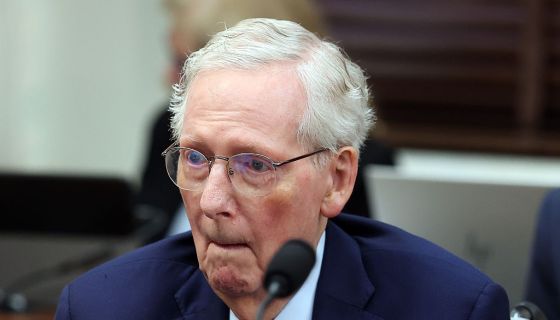
Mitch McConnell's precarious health didn't stop the GOP from using him like a pawn in their midterm strategy, but it wasn't enough to stave off their electoral defeat. Despite his evident decline, the Republican Party banked on McConnell as a stabilizing force, hoping that his veteran presence might steady their ship amid turbulent political seas. This miscalculated reliance on an ailing leader shows the broader dysfunction plaguing the Republican agenda. The choice to keep him at the helm not only reflected their desperation to maintain a semblance of unity but also highlighted their inability to cultivate fresh leadership capable of addressing the real issues facing today's America. As the party grappled with internal divisions and an evolving electorate, McConnell's frailty became a metaphor for the GOP's eroding influence.
In a desperate bid to maintain power, Republicans propped up McConnell during critical moments in Congress, despite his visible decline. According to NewsOne, the GOP's tactics extended beyond propping up their Senate leader. They engaged in a systematic campaign of voter suppression and gerrymandering, hoping to manipulate the electoral map in their favor. Additionally, they attempted to stir up fear around trans issues, aiming to galvanize their base through divisive social agendas. However, these maneuvers failed to resonate with voters who were increasingly disillusioned by the party's outdated strategies. The electorate's rejection of these tactics signaled a growing impatience with politics as usual, leading to significant losses for the GOP and underscoring the need for a transformative approach that prioritizes inclusivity and genuine engagement.
The GOP's attempt to manipulate election outcomes through electoral chicanery came up short, as evidenced by their unsuccessful demands for voter roll purges and failed redistricting efforts. These strategies, long employed to cement political power, faltered against the backdrop of a more vigilant and diverse electorate. Even with these efforts, the anticipated 'red wave' failed to materialize, leaving the party questioning its future direction. The electorate's refusal to be swayed by such tactics highlighted a broader shift in political consciousness, one that demands accountability and transparency from those in power. This rejection of the GOP's playbook suggests that the party must either innovate or face continued electoral setbacks. The clip that set everything off is below.
Senator McConnell's health became a focal point during the midterms, raising questions about his ability to fulfill his duties. Reports from September indicate that McConnell needed assistance to vote, highlighting his fragile state. This situation became fodder for social media users who speculated about the senator's absence and the GOP's unwillingness to move forward with new leadership. The spectacle of McConnell being guided through the voting process underscored the party's reliance on its old guard, even as it faltered under the weight of its own contradictions. The GOP's hesitance to embrace change was laid bare, exposing an internal struggle that played out on the public stage. This reluctance to transition to a new era of leadership only deepened the party's disconnect with an electorate eager for progress and innovation.
The Republican Party's reliance on McConnell, despite his deteriorating condition, says a lot about their strategy and priorities. Holding onto power seemed to outweigh the necessity of effective governance. As the party faces mounting challenges, including internal conflicts and a shifting voter base, the missteps in the midterm strategy are becoming more apparent. This dependence on McConnell revealed a broader resistance to change within the GOP's ranks, a stubborn adherence to familiar faces and outdated ideas. As demographic shifts continue to reshape the political scene, the party's failure to adapt could prove costly. The GOP's reluctance to cultivate new leadership capable of addressing contemporary issues not only threatens its relevance but also highlights the disconnect between its rhetoric and the realities of an evolving nation. She addressed it head on in the post below.
This isn't the first time the GOP has clung to outdated tactics in hopes of maintaining control. Historically, the party has often resorted to gerrymandering and voter suppression as methods to secure electoral victories, a playbook dating back to the Bush administration's redistricting efforts. These strategies, designed to manipulate electoral outcomes in their favor, have long been criticized for undermining the democratic process. Yet, as seen in recent elections, these methods are increasingly proving ineffective as the demographic scene of America shifts. The growing diversity and political engagement among younger voters are challenging the GOP's traditional strongholds, demanding a move towards policies that reflect the complexities of a changing society. As the electorate evolves, the Republican Party faces an urgent need to redefine its approach or risk being left behind.
The GOP's reliance on McConnell's legacy echoes a larger issue within the party, a refusal to evolve.
The GOP's reliance on McConnell's legacy echoes a larger issue within the party, a refusal to evolve.
For the party faithful, McConnell represents a bygone era of Republican politics, one that struggles to address the complexities of today's America. The GOP has yet to offer a coherent vision that resonates with younger, more diverse voters who rejected the party's divisive rhetoric in the midterms. This failure to connect with a broader audience highlights the party's ongoing identity crisis, as it grapples with the legacy of its past while attempting to chart a path forward. McConnell's brand of politics, rooted in obstructionism and conservative orthodoxy, appears increasingly out of step with the priorities of a new generation seeking bold solutions to pressing issues. The demand for meaningful change and inclusivity is loud and clear, and the GOP's inability to address this call could further alienate potential supporters.
Politically, the McConnell saga illustrates a party wrestling with its identity. Stagnation and the unwillingness to embrace change are suffocating the GOP's potential to be relevant in a rapidly changing political climate. The GOP's inability to adapt could alienate potential supporters who are looking for pragmatic solutions rather than antiquated ideologies. This internal struggle between maintaining the status quo and embracing innovation reflects a deeper existential crisis within the party. As demographic and cultural shifts continue to reshape the American political scene, the GOP's reluctance to evolve threatens to render it obsolete. The electorate's demand for a responsive and forward-thinking political platform grows louder by the day, challenging the GOP to either adapt or risk further erosion of its influence and credibility. The post below emphasizes these sentiments.
For Black communities, the GOP's failure to innovate is both a relief and a cause for vigilance. While the party's losses are a win for those who oppose their often oppressive policies, it also means that the fight isn't over. The GOP's attempts to disenfranchise marginalized communities continue to exist, albeit under more scrutiny and resistance than before. This ongoing struggle for representation and equity remains a critical battlefront as the GOP seeks to maintain power through tactics that disproportionately impact communities of color. The vigilance required to safeguard voting rights and ensure fair representation is more important than ever, as marginalized groups work to hold the party accountable and push for policies that reflect the diverse realities of American society. The journey toward true equality is ongoing, and the resolve to confront these challenges must remain steadfast.
The aftermath of these midterms is a warning sign for the Republican Party. As they cling to power players like McConnell, the party risks becoming more alienated from the communities they need to engage with to build a sustainable future. The need for a paradigm shift in their approach to governance is evident, but whether they will heed this call remains uncertain. The GOP's continued reliance on outdated figures and strategies shows a reluctance to embrace the transformative changes necessary to connect with a broader, more diverse electorate. As political dynamics evolve, the party's survival depends on its ability to adapt and innovate. The warning signs are clear, and the choice to either evolve or face further marginalization will define the GOP's trajectory in the years to come.
Advertisement
Moving forward, the GOP faces a crossroads. Will they continue to rely on outdated strategies and figures like McConnell, or will they pivot toward policies that reflect the changing dynamics of American society? Only time will reveal the party's trajectory, but for now, it seems the blue wave is here to stay. The pressure to modernize and develop a platform that resonates with a diverse electorate is mounting. As demographic shifts continue to redefine the political scene, the GOP's ability to remain relevant hinges on its willingness to embrace change and foster inclusive policies. The path ahead is fraught with challenges, but it also presents an opportunity for the party to reinvent itself and engage meaningfully with the evolving needs and aspirations of all Americans.
More from PowerVault Network: