By Marcus Ellison, PowerVault Staff
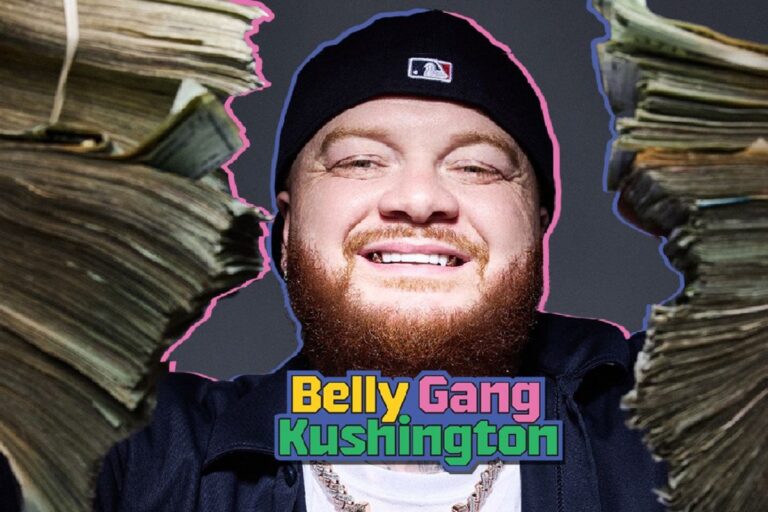
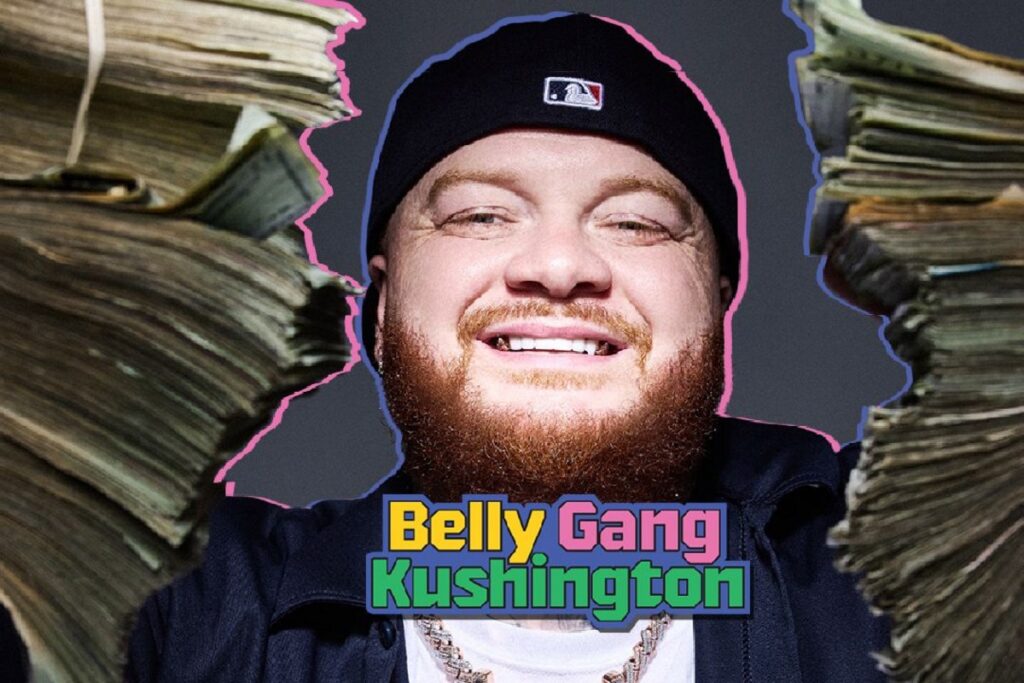
Belly Gang Kushington recently dropped a standout freestyle for the 2026 XXL Freshman class, capturing the attention of hip-hop aficionados and casual listeners alike. With his sharp lyricism and commanding presence, Kushington is not just another name on a growing list; his introduction into mainstream hip-hop is a signal of shifting tides in the industry, where authenticity and raw talent are once again taking center stage.
To understand the significance of this moment, we must first look back at how the XXL Freshman list has historically served as a launching pad for many artists. From the likes of J. Cole and Kendrick Lamar to the more recent stars like Lil Baby, this platform has been instrumental in not only spotlighting talent but also shaping the genre itself. However, as hip-hop has exploded into a global phenomenon, many emergent voices have struggled to break through the noise amid an oversaturated market. Kushington’s appearance on this prestigious list indicates a resurgence of genuine storytelling in a time when commercialized sound often dominates the landscape.
What makes Kushington’s rise so compelling is his ability to weave personal narratives and socio-political commentary into his bars. He embodies a blend of artistry that resonates deeply with the Black community, echoing the voices of our ancestors while also challenging the realities of modern life. In an era where many artists lean heavily on TikTok trends and catchy hooks to gain visibility, Kushington reminds us that authenticity and depth still matter. His freestyle is a declaration: real struggles, triumphs, and experiences are what will ultimately connect with listeners, and that’s the pulse of hip-hop culture.
This moment is reminiscent of the early 2000s, a golden era when artists like Mos Def and Talib Kweli pushed back against commercialized rap, emphasizing lyrical depth and cultural relevance. Just as they carved niche spaces for conscious rap amidst mainstream glitz, Kushington is positioning himself to do the same in a contemporary context. He’s tapping into the minds of listeners who crave more than just a catchy hook; they want substance. This pivotal shift could pave the way for a new wave of artists who prioritize their narratives over the pressures of commercial success.
As we look ahead, the implications of Kushington’s emergence are significant. Will he inspire a generation of artists to return to their roots, focusing on authenticity over gimmickry? Can he bridge the gap between mainstream success and underground culture? It’s a question worth pondering as we continue to witness the evolution of hip-hop. With eyes on him and the industry watching closely, Belly Gang Kushington may just be the artist who reinvigorates a cultural movement that had started to feel lost in the noise.
About The Author