By Renee Fontaine, PowerVault Staff
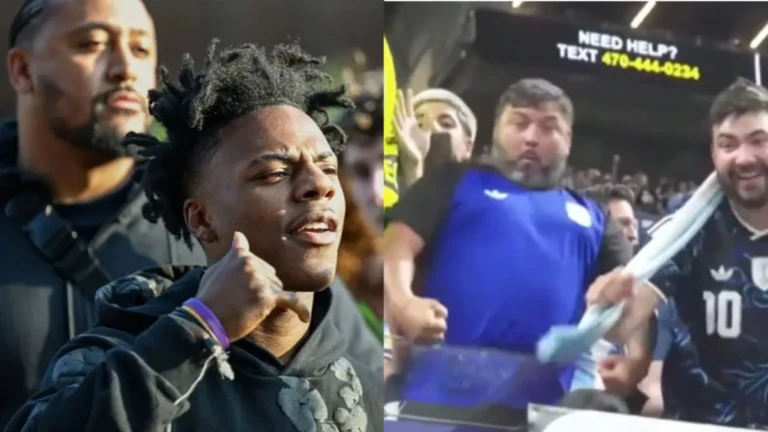
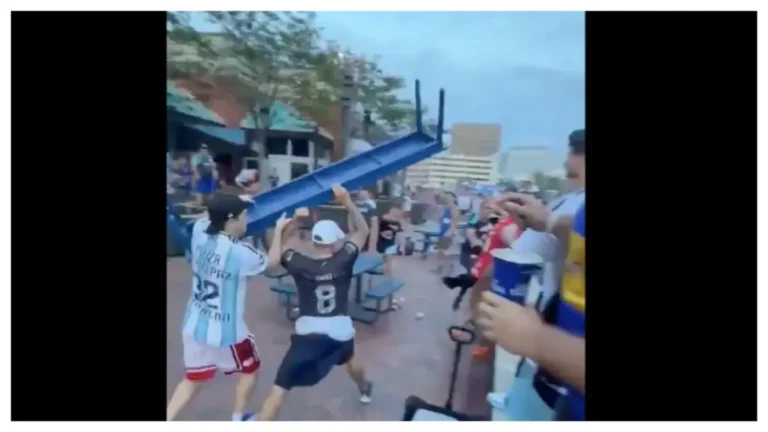
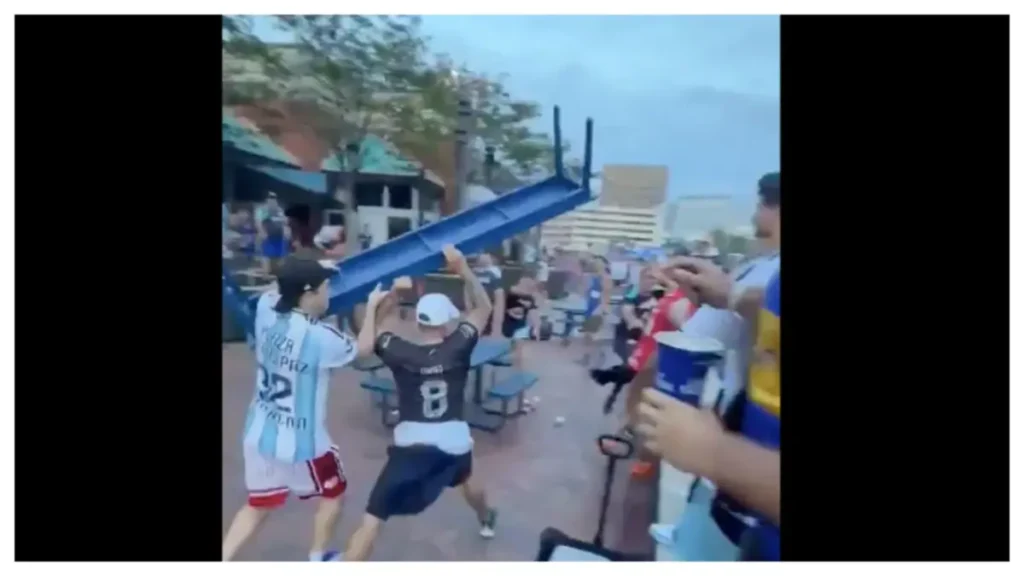
In a scene that some would chalk up to typical sports fervor, chaos erupted in Atlanta as fans clashed in the streets following the heated World Cup match between England and Argentina. Tensions boiled over after England’s Jude Bellingham, in a moment of raw frustration, lashed out at Argentina’s Valentín Barco. The aftermath? A frenzy of fights, tables hurled, and spitting—an all-too-familiar visual of passion morphing into pandemonium.
This incident isn’t just a random blip on the sports radar; it’s a vivid illustration of the stakes involved in international football, where pride, identity, and history collide. Football—beyond being a game—is intertwined with nationalism and culture, especially in communities where such competitions can feel like a microcosm of larger societal struggles. In cities like Atlanta, vibrant with its diverse fabric and rich history, such moments can become flashpoints for showcasing deeper sentiments, revealing the undercurrents of rivalry that run deeper than just sport.
At PowerVault Network, we recognize that sports serve as a mirror reflecting societal dynamics. The chaos in Atlanta is reminiscent of the way music and arts have historically been battlegrounds for cultural pride. Just as hip-hop artists often express the frustrations and triumphs of their communities through their art, so too do fans channel their identities and loyalties into their sporting allegiances. The fights following this match, while regrettable, underscore how passionately people embrace their team’s victories and defeats, often as an extension of their own lives and struggles.
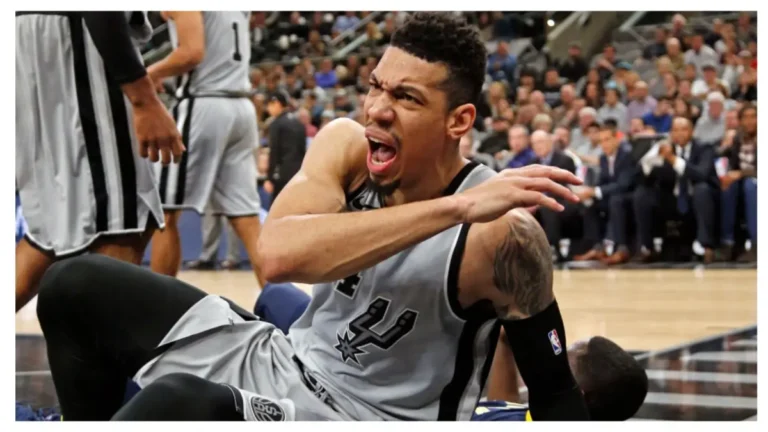
This isn’t the first time we’ve seen sports turn chaotic; it calls to mind the infamous brawls during the ’90s between hip-hop artists and athletes, where passion often eclipsed reason. Look back to the notorious fights that erupted during the infamous brawl between the Detroit Pistons and the Indiana Pacers in 2004. Just as that incident sparked conversations about violence, race, and identity, this recent debacle in Atlanta forces us to ask: what are we really fighting for? For many, the pitch symbolizes not just a game but a representation of cultural pride, a chance to reclaim narratives that have been historically suppressed.
As we look ahead, it’s crucial to analyze not just the fallout from such events but also the conversations they ignite. Will we see more initiatives aimed at fostering unity among rival fans, or will this escalate further? The World Cup is set to continue drawing global attention, revealing not only the beauty of the game but the complexities of identity, and community dynamics that come with it. It’s time for all of us—fans, artists, and commentators—to engage in these dialogues, ensuring that our passion for the game does not come at the cost of our community’s well-being.
About The Author