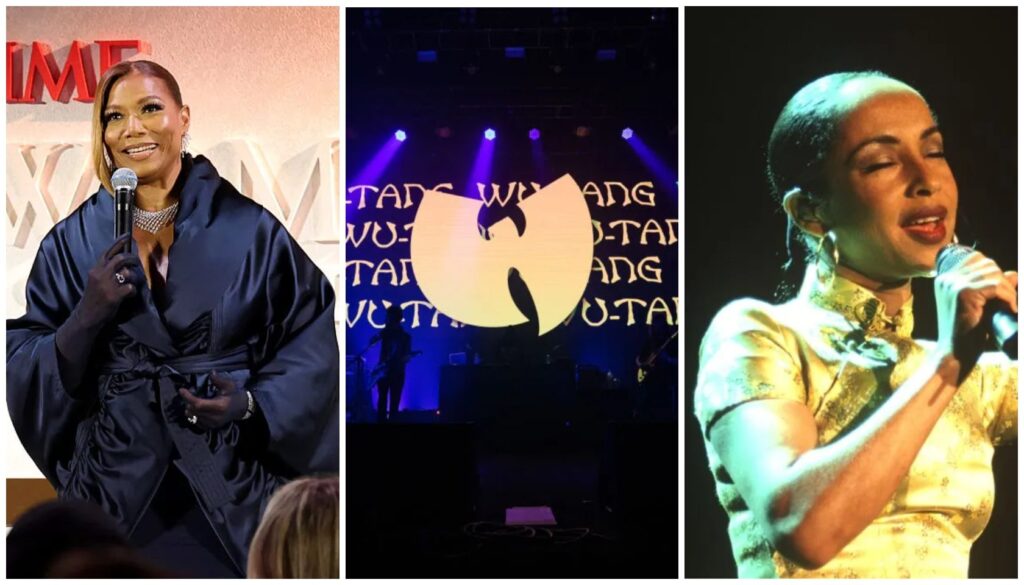
The recent induction of Queen Latifah and Luther Vandross into the Rock & Roll Hall of Fame has been met with an overwhelming sense of joy, yet it comes with a bittersweet aftertaste. Fans across the board have rallied behind the legendary New Edition, a group that played a pivotal role in the evolution of R&B and pop music. With over a million signatures on their petition for induction, the disappointment felt by their supporters is palpable. Even hip-hop legends like Method Man expressed their discontent, highlighting the disparity between mainstream accolades and the contributions made by iconic groups in the genre.
New Edition’s influence is undeniable; they were the pioneers who not only defined the boy band scene in the 80s but also paved the way for future generations of artists. Their catchy melodies and choreography set the standard, yet somehow, their name has been conspicuously absent from the Hall of Fame’s roster. Fans can’t help but feel that this snub is more than just an oversight; it raises questions about how the Hall recognizes contributions from black artists and the nuances of genre classifications.
While the celebration of Queen Latifah and Luther Vandross is well-deserved, it amplifies the ongoing conversation about representation in the music industry. Why does it seem that pioneers like New Edition are overlooked despite their extensive catalog and cultural impact? It’s a conflicting moment, where joy for two iconic figures is overshadowed by the reality that a group which holds such a significant place in R&B history remains on the outside looking in.
As we celebrate the achievements of those who have finally received their honors, it’s essential to continue championing those who have been overlooked. The Rock & Roll Hall of Fame should serve as a reminder for what contributions truly matter in the landscape of music and culture. New Edition might have been left out this time, but their legacy continues to inspire, and fans won’t stop fighting for their rightful place in history. The conversation is far from over, and as the industry evolves, hopefully, it will learn to better recognize the breadth and depth of black music’s contributions to the tapestry of American culture.
About The Author