By Renee Fontaine, PowerVault Staff
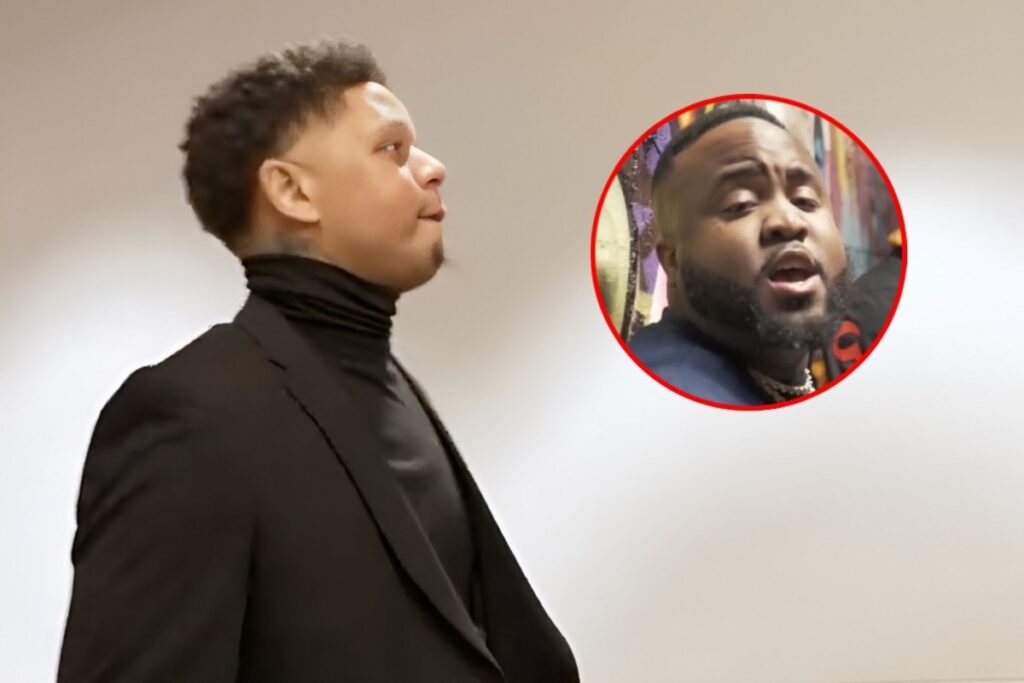
In a recent turn of events, Yella Beezy’s legal team is pushing back against prosecutors seeking to use his rap lyrics as evidence in an ongoing case. This tactic, all too common in the judicial system, raises critical questions about the intersection of art, expression, and justice. It seems that once again, the lyrical genius of our artists is being weaponized, serving as a reminder that for many, hip-hop is more than just music; it’s a battleground for cultural identity and self-expression.
To understand the stakes here, we need to dive into the troubling trend of using rap lyrics as evidence in criminal cases. Historically, lyrics have been dissected and interpreted as confessions or admissions of guilt, despite the fact that rap is often steeped in metaphor and hyperbole. Yella Beezy’s case is just the latest in a long line of instances where artists find themselves grappling with a justice system that fails to recognize the difference between reality and artistic narrative. This attack on hip-hop underscores a deep-rooted bias that assumes rap is synonymous with crime, effectively criminalizing the very essence of the culture.
This situation is more than a legal issue; it’s a cultural flashpoint. The music created by Black artists often reflects the harsh realities of their lives, including systemic oppression and societal struggle. Using lyrics as a basis for legal ramifications silences voices and stifles creativity. It sends a message that our stories are not just valid expressions of lived experiences, but can also become evidence against us in a court of law. This ongoing fight highlights the need for a broader conversation within the hip-hop community and society at large about the role of art in reflecting and challenging our realities.
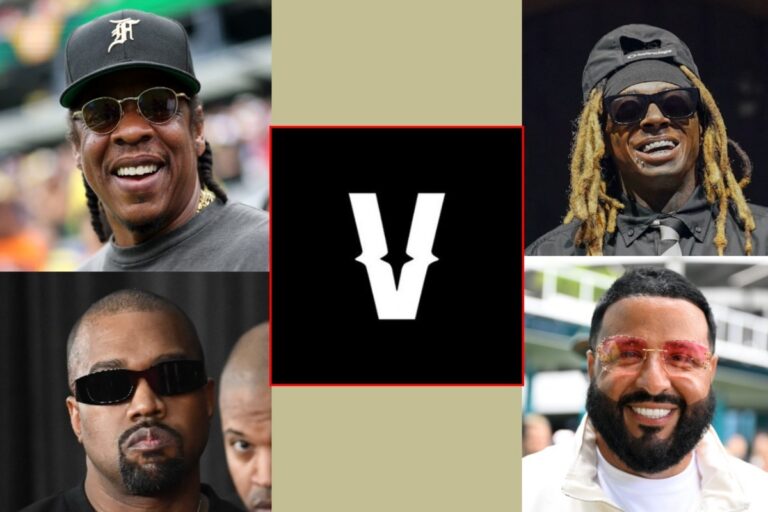
The parallels to past moments in hip-hop history are unmistakable. Consider the infamous case of Tupac Shakur, who faced scrutiny over his lyrics and public persona during his life. The legal system often viewed him not as an artist telling his truth but as a criminal to be feared. Similarly, Lil Wayne and others have faced similar challenges, with their lyrics being scrutinized and judged harshly. These patterns are indicative of a larger narrative where hip-hop artists are deemed guilty until proven innocent, their art misinterpreted as incitement rather than as a form of protest or storytelling.
Looking ahead, the outcome of Yella Beezy’s case could signal a watershed moment for hip-hop. As the conversation around the use of art in court continues to evolve, we must advocate for a clearer understanding of lyrical content as a form of artistic expression. The music industry, alongside fans, artists, and activists, must rally against these harmful practices. The fight against the criminalization of hip-hop is not just about one artist; it’s about protecting the freedom of expression that lies at the heart of our culture. As we continue to amplify our voices, we must remain vigilant, ready to challenge a system that seeks to diminish the power of our narratives.
About The Author