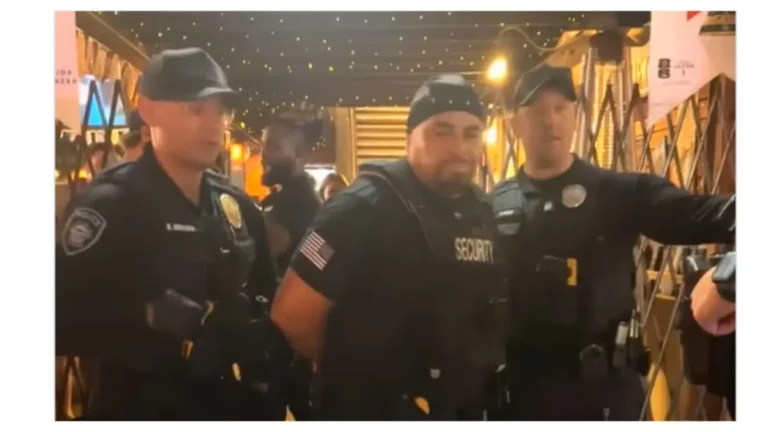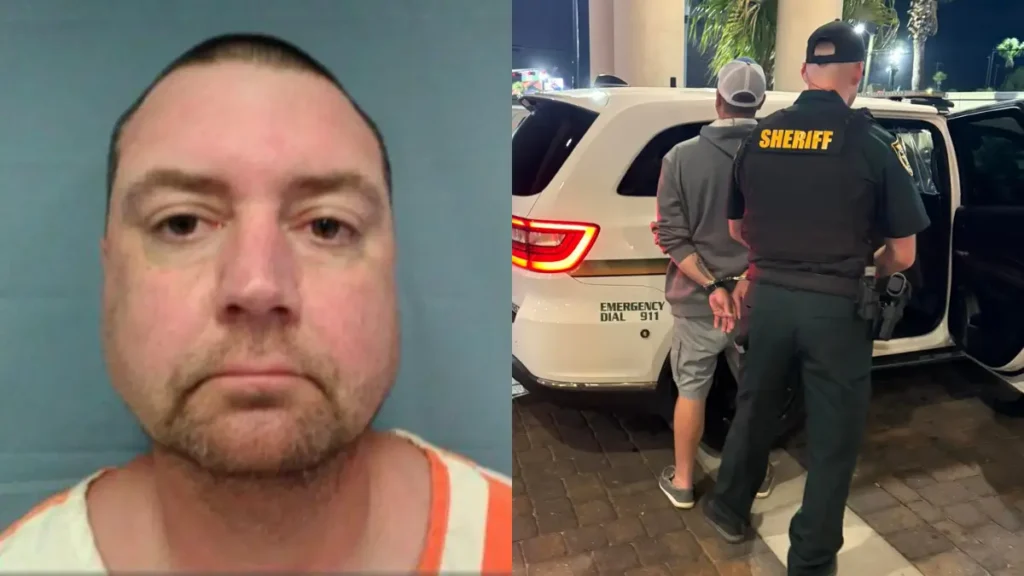
In a troubling revelation, an ex-police officer has been arrested for allegedly plotting a mass shooting at a New Orleans festival, underscoring the dangerous intersection of law enforcement and racially motivated violence. The individual, who had previously expressed intentions to harm Black individuals, was found in possession of 200 rounds of ammunition, raising alarm bells about the potential threat he posed. The planned attack on a gathering that celebrates Black culture not only highlights the ongoing issues of racial hatred but also reflects a broader societal problem regarding how individuals with violent ideologies can slip through the cracks of our systems.
As communities gather to celebrate and uplift their heritage, the shadow of such threats looms large, reminding us of the urgent need for vigilance and advocacy against hate. This incident serves as a chilling wake-up call, revealing that the specter of violence against marginalized groups remains an ever-present danger. The actions of this ex-cop are not just the actions of one individual; they resonate with a history of systemic oppression and the lengths to which some will go to perpetuate that cycle of hate.
The real tragedy here is not just the plot itself but the fact that it emerges from a place formerly sanctioned by authority. It raises questions about how such views can develop within the ranks of those sworn to protect and serve. Law enforcement agencies must take a hard look at their vetting processes and examine any underlying biases that may exist within their forces. As Black communities continue to fight for justice and equality, they must also contend with threats that seek to undermine their very existence.
In a world where festivals meant to celebrate life and culture could turn into scenes of violence, we are reminded of the work that lies ahead. Community resilience, advocacy for change, and solidarity are more important than ever. As the investigation unfolds, the collective response must be one of unity and a commitment to ensuring that love, not hate, prevails in our streets, especially during moments meant to honor our rich cultural heritage.
From The Source
About The Author