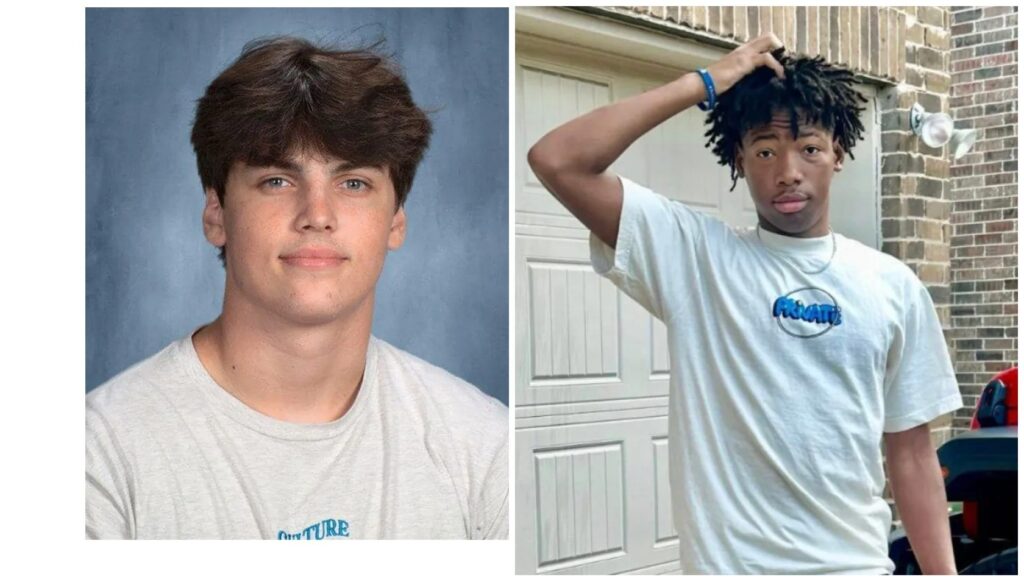
By Jasmine Reed, PowerVault Staff
Picture this: a basketball court echoing with the squeak of sneakers and the rhythmic bounce of a ball, a place where dreams are born and rivalries are forged. Yet beneath the polished hardwood lies a story darker than the darkest alley-oop. This isn’t just another day in the world of sports; it’s the latest chapter in a saga that intertwines issues of race, violence, and justice. As Karmelo Anthony seeks a new trial, the spotlight turns to Austin Metcalf, whose past is as troubling as an unsolved mystery.
The courtroom drama surrounding Karmelo Anthony isn’t just a legal battle; it’s a reflection of a larger cultural narrative. Austin Metcalf’s history, now under intense scrutiny, reveals a pattern of racism and violence that can’t be ignored. It’s a chilling reminder of the systemic issues that continue to plague both sports and society. In a culture where Black excellence often stands in stark contrast to ingrained prejudices, cases like this serve as a harsh wake-up call.
But why should we care about Karmelo Anthony’s fight for justice? Because his story is all too familiar in the Black community. It’s a stark reminder of the hurdles that athletes and individuals face, not just on the court but in life. As fans, we cheer for our heroes and watch them soar, but we must also stand by them when the world seeks to clip their wings.
Karmelo’s case also brings to mind other instances where race and sports have collided in a way that left us questioning the fairness of it all. Remember the uproar when Serena Williams faced questionable calls on the tennis court? Or the time when Colin Kaepernick took a knee, sparking a nationwide debate about patriotism and protest? These moments underscore the delicate balance athletes must maintain, navigating their careers while confronting societal issues head-on.
For Karmelo Anthony, the stakes are personal and profound. The exposure of Austin Metcalf’s past has opened old wounds, not just for him, but for a community that has seen this story play out time and again. It’s a narrative that resonates with the ongoing struggle for equality and justice, themes that permeate hip-hop culture and are echoed in the lyrics of icons who use their platforms to speak truth to power.
The revelation of Metcalf’s history of violence and racism isn’t just about digging into someone’s past. It’s about holding people accountable for their actions and ensuring that justice isn’t just a word, but a reality. This case speaks to the broader discussions happening in our society about accountability, privilege, and the impact of systemic racism. As we watch this story unfold, it becomes clear that this is more than just a legal battle; it’s a cultural reckoning.
While Karmelo’s legal team pushes for a new trial, the implications of this case extend far beyond the courtroom. It’s a reminder of why representation matters and why platforms like PowerVault Network are crucial. We need spaces where Black voices can be heard, where stories can be told from our perspective, and where our heroes are celebrated and defended.
As we look to the future, there’s a lot to consider. What will the outcome of Karmelo’s trial mean for him, for the community, and for the culture at large? Will this case spark further discussions about race and justice in sports, much like the recent redistricting fight impacting Black voters that highlighted systemic issues? Or will it quietly fade away, overshadowed by the next big story?
One thing is certain: this moment matters. It’s a testament to the ongoing battle for justice and equality, a reminder of the work that still needs to be done. As fans, as members of the Black community, and as advocates for change, it’s our responsibility to stay engaged, to continue pushing for progress, and to ensure that stories like Karmelo’s are not just heard, but understood and acted upon.
Keep an eye on the developments in this case, because the outcome could very well set a precedent for how similar situations are handled in the future. As the culture evolves, so must our approach to justice and accountability. Karmelo Anthony’s story is just one chapter in a much larger narrative, and it’s up to us to ensure that the story ends with justice being served.
About The Author