By DeShawn Price, PowerVault Staff
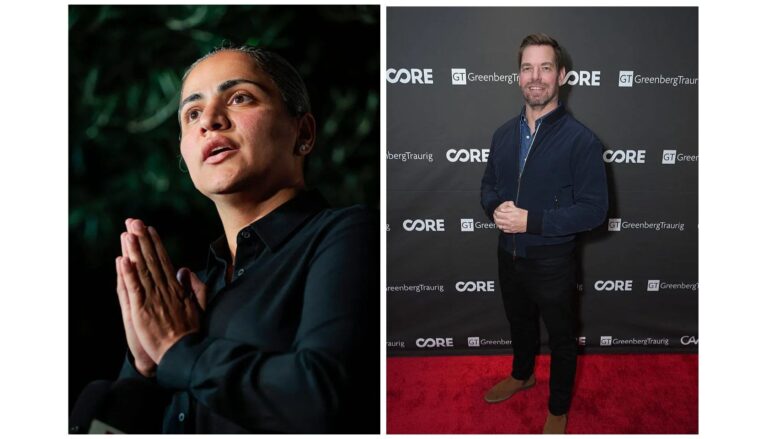
Imagine stepping onto a stage that has been predominantly off-limits to people like you, breaking barriers, and rewriting history as you walk. Aisha Wahab just did that. In a world where the political stage often feels like an exclusive club, her election as the first Afghan American to Congress is a monumental moment that reverberates beyond her community. It challenges the status quo and brings fresh hope to countless individuals who have felt sidelined in the corridors of power.
Wahab’s victory is more than just a headline; it’s a statement. In a time when diversity and representation are not mere buzzwords but essential ingredients for progress, Wahab embodies the change many have been longing for. Her journey to Congress is a story of resilience and determination. But why does this matter to us, lovers of hip-hop and Black culture? Because her story echoes the struggles and triumphs that have long been the backbone of our own cultural narrative.
Hip-hop, just like Wahab’s journey, has always been about breaking down barriers and challenging societal norms. From N.W.A. calling out police brutality in the late ’80s to Cardi B stealing the spotlight and redefining what it means to own a stage, we’ve seen how powerful representation can be. Wahab’s election is a political remix of these cultural moments—a new track in the ongoing album of change.
Let’s face it, Congress hasn’t exactly been a bastion of diversity. The fact that it took until now for an Afghan American to be elected is telling. Yet Wahab’s win is a beacon for what’s possible, a reflection of the evolving American identity. It’s not just her ethnicity that makes this significant; it’s what she represents—an intersection of cultures, a fusion much like hip-hop itself, which draws from various musical and cultural influences to create something new and impactful.
Take a look at how Common influenced Odeal. His ability to blend different sounds and messages created a unique voice that resonated with diverse audiences. Similarly, Wahab’s mixed heritage and experiences bring a fresh perspective to Congress, one that could pave the way for more inclusive policies and a broader understanding of what it means to be American.
So, what does this mean moving forward? For one, it highlights the importance of diversity in all spaces, not just music or film, but in policy-making rooms where decisions impacting millions are made. It reinforces the idea that representation can lead to tangible, positive change. Her presence in Congress could push for more nuanced discussions around immigration, diversity, and equity, issues that deeply affect Black and brown communities across the United States.
This moment parallels the breakthroughs we’ve seen in Black media, where figures like Cathy Hughes have revolutionized the landscape, ensuring that our stories are told authentically and powerfully. Much like Hughes’s impact on media, Wahab has the potential to change the narrative around politics and representation. Her victory is a call to action for young people, especially those from minority backgrounds, to engage in civic life and to see politics as a space where they can make a difference.
As we move forward, keep an eye on how Wahab uses her platform. Will she inspire a wave of new leaders who bring their own unique backgrounds to Congress? Will her presence encourage greater voter engagement among disenfranchised communities? Only time will tell, but one thing is certain—Aisha Wahab is not just a politician. She is a harbinger of change, a symbol of what happens when you defy limitations and chart your own path.
About The Author