By Jasmine Reed, PowerVault Staff
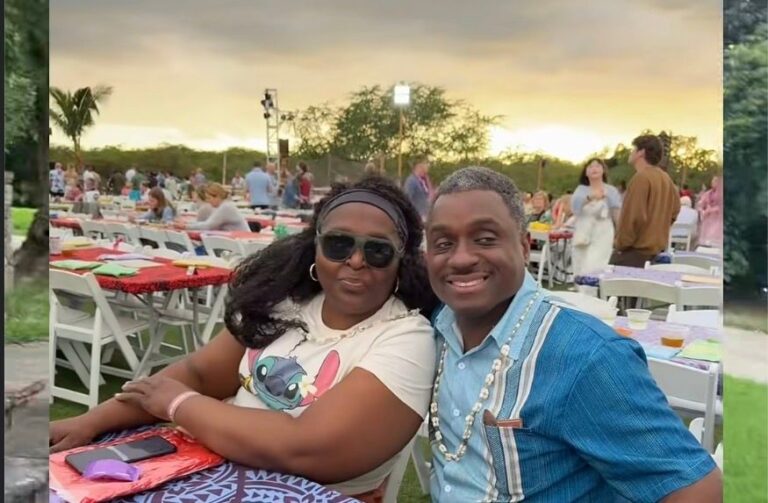
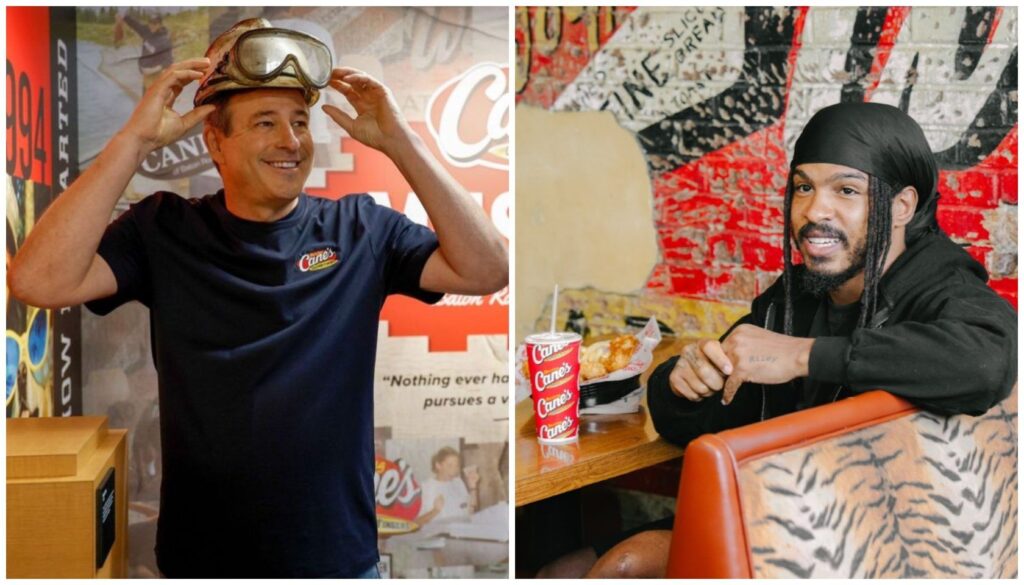
Food culture on social media used to be dominated by dry television chefs wearing pristine white aprons and reciting scripted recipes inside quiet studio kitchens. That all changed when Keith Lee pulled up in his car, unboxed a takeout bag on his lap, took a thoughtful bite of a chicken tender, and completely reshaped the restaurant economy with a single video clip. When an honest review from a former fighter sitting in a parking lot can clear out a struggling family business inventory in three hours, corporate executives take notice. So when Raising Cane’s organized a major celebration for thirty years of serving chicken tenders in Baton Rouge, bringing out founder Todd Graves alongside top internet personalities, Keith Lee appearing at the center of the festivities was not just another celebrity appearance. It was a clear demonstration of where cultural authority lives right now.
The thirty year anniversary celebration in Louisiana paid homage to the humble beginnings of the popular fast food chain. Back in 1996, Todd Graves opened the original location near the gates of Louisiana State University after overcoming countless rejections from banks that refused to fund his dream. He worked long grueling hours as a commercial salmon fisherman in Alaska and laboured in oil refineries just to save enough money to clear out an old building and fry his first batches of chicken. Decades later, that single store has transformed into an international franchise with hundreds of locations. Yet instead of holding a standard corporate banquet with dry speeches and cut ribbon ceremonies, Graves chose to lean into digital culture by hosting popular creators, celebrating local fans, and pouring resources back into the Baton Rouge community.
Seeing Keith Lee front and center at this milestone highlights his evolution from a viral reviewer into one of the most trusted authorities in modern culinary media. Ever since his straightforward reviews went viral on TikTok, Lee has maintained a level of credibility with Black audiences and everyday consumers that legacy outlets could never buy. When he walks into a restaurant, places an order under an alias, and delivers an unvarnished review without corporate filter, people listen and act. Entire dining rooms fill up overnight. Families facing financial ruin pay off their debts. That kind of real world economic impact makes massive corporations line up at his door, hoping some of his genuine credibility rubs off on their commercial brands.
There is a crucial cultural dynamic playing out here regarding ownership and influence in modern media. For decades, Black tastemakers created the trends, set the tone, and generated the buzz, while corporate executives in suits pocketed the profits. Whenever legacy brands wanted to stay relevant with younger audiences, they would hire ad agencies to mimic urban culture without actually engaging the people behind it. Keith Lee turned that dynamic on its head by building a direct pipeline to his audience through honesty, accessibility, and zero compromise. Watching corporate founders openly recruit digital creators to validate their brand milestones proves that the balance of power has shifted. Digital creators now hold the keys to cultural relevance, and major corporations know they cannot stay connected without them.
Building a lasting brand from the ground up requires relentless focus and a deep understanding of community trust. That kind of self built power mirrors How Cathy Hughes Built Urban One and Revolutionized Black Media by speaking directly to Black listeners when traditional outlets refused to give them a voice. Keith Lee operates in that same tradition of self reliance. He never waited around for a major cable network to grant him a television show or approve his reviews. He picked up his mobile phone, parked in front of local spots, and spoke directly to millions of followers who were tired of sponsored food commercials. That grassroots hustle created an undeniable leverage that corporate leaders cannot ignore.
Navigating these corporate partnerships requires a tight balance for creators who built their reputation on raw authenticity. The moment a creator starts accepting checks or joining major corporate activations, fans naturally watch closely to see if the reviews remain honest. Keith Lee has managed to walk that line carefully, keeping his focus on small local spots while still making room for big industry moments. Still, there is a legitimate question about whether partnering closely with massive food conglomerates could eventually blur the line between organic recommendations and brand promotion. Fans love seeing Black creators secure major bags, but they value unvarnished truth even more.
The gathering in Louisiana went beyond taking photos and eating crinkle cut fries alongside famous founders. The event emphasized charitable givebacks and community support in the city where the chain first started. For internet creators who sometimes face heat for popping into cities only to critique local spots, taking part in community initiatives creates a lasting positive impact. High profile appearances always bring massive attention to local neighborhoods. It brings to mind how unexpected star moments create electric energy in a city, similar to when fans debated if Cardi B stealing the spotlight brought a new level of excitement to an already packed arena. Placing internet stars on the ground in Baton Rouge gave local fans a chance to feel connected to a global cultural moment.
This celebration also highlights how fast food and hip-hop culture have become closely connected in recent years. Fast food brands used to target suburban families through generic television ads, but now they build entire marketing campaigns around influencer collaborations, custom artist meals, and viral social media trends. Hip-hop culture has always set the trend for sneakers, fashion, and music, and now food culture is completely folded into that same space. When internet food reviewers hang out with billionaire restaurant owners, it shows that reviewing food is no longer just about discussing flavor profiles. It is about lifestyle, cultural impact, and social clout.
The interaction between established business figures and rising young creators also offers valuable lessons in long term career strategy. Emerging influencers learning to handle sudden fame can take valuable lessons from leaders who built sustainable empires across different eras. Looking back at what Keke Palmer learned from Queen Latifah about industry longevity shows the power of guidance from veterans who navigated the game before them. Seeing digital stars connect with a founder who turned one single chicken shop near a college campus into an international empire provides a live look at how to scale a business without sacrificing core identity.
As Raising Cane’s looks toward its next thirty years and Keith Lee continues expanding his platform beyond quick social video clips, the connection between online creators and major food chains will only tighten. Digital creators are no longer outside observers knocking on the door of traditional media. They are key decision makers, cultural curators, and powerhouse figures who influence how millions of people choose to spend their money every single day. Watching how independent creators protect their voice while stepping into corporate boardrooms will be one of the most important dynamics to watch as internet culture continues driving the future of mainstream commerce.
About The Author