By Marcus Ellison, PowerVault Staff
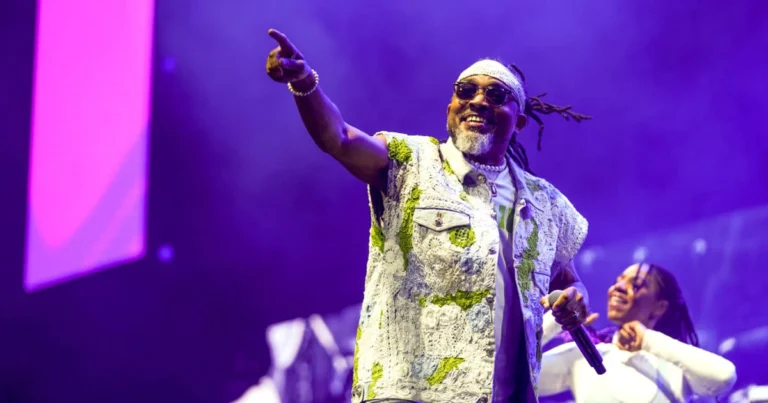
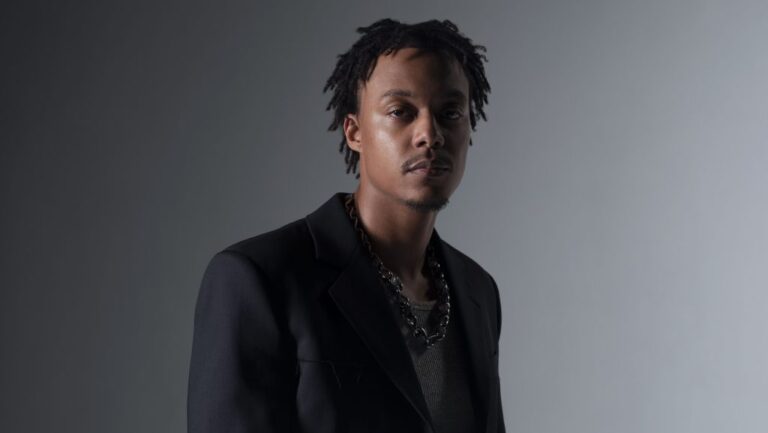
Detroit hip-hop has always operated on its own distinct clock, built on relentless work ethic, heavy sub-bass, and raw street poetry that refuses to compromise for mainstream radio formulas. Over the past few years, Skilla Baby has rapidly evolved from a regional powerhouse into a national headliner. With his latest studio release titled The Price of Fame, the young Motor City heavyweight is actively tackling the heavy psychological weight of success while making moves that extend far beyond the recording booth.
In recent conversations surrounding the project, Skilla opened up about channeling the spirit and emotional honesty of Tupac Shakur while crafting this new body of work. For any young artist in modern hip-hop, invoking Tupac is a bold statement that invites immediate scrutiny. Skilla is not simply referencing the iconic style or the bravado that defined nineties West Coast rap. Instead, he is leaning directly into the raw emotional duality that made Tupac an undisputed icon, specifically the ability to balance harsh street commentary with genuine empathy, paranoia with spiritual healing, and tough talk with vulnerable introspection.
Modern hip-hop frequently struggles with emotional transparency. A significant portion of the current scene gets stuck in an endless loop of flex culture, designer namedropping, and short snippets tailored exclusively for social media algorithms. When an artist takes a deliberate pause to explore the complicated reality of what happens after the money and national attention actually arrive, the entire conversation shifts. The psychological pressure that comes with elevated status in Black communities is deeply intense. A rising star often becomes an economic engine for an entire immediate family, a target for opportunists, and a constant subject of online speculation. Seeing Skilla confront these real life themes head on demonstrates a level of artistic maturity that many artists take decades to cultivate.
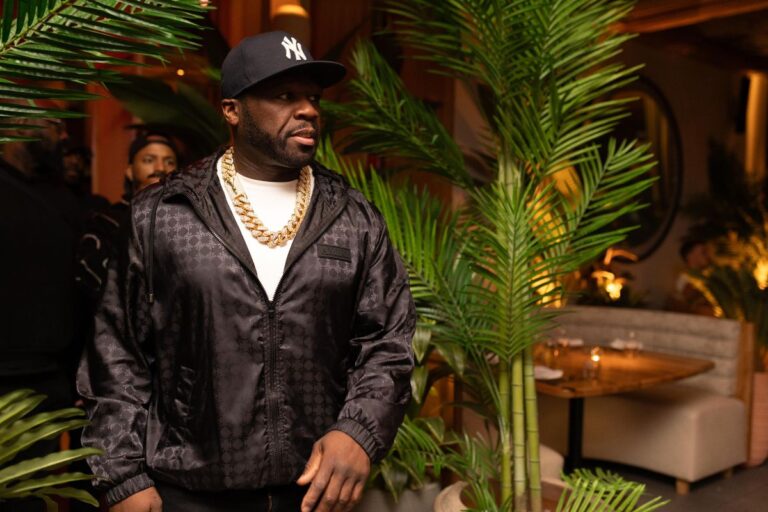
The momentum surrounding Skilla Baby does not stop at the studio doors. His transition into the television universe with 50 Cent for the upcoming franchise expansion Power: Origins represents another massive leap for his career. Curtis Jackson has built an indisputable blueprint for artists shifting from rap dominance into Hollywood powerhouses, mirroring the path carved out by legends who showed the culture how to turn musical success into executive longevity. When fans examine what Keke Palmer learned from Queen Latifah about longevity and multi-hyphenate careers, the same lessons apply to what 50 Cent is doing for this new generation of rap talent. Tapping Skilla for the Power universe is not just a marketing gimmick, because Fif recognizes natural screen charisma and authentic street presence when he sees it.
Hip-hop has a long and celebrated history of its biggest voices making seamless transitions onto the screen. From Tupac himself starring in classic cinema like Juice and Poetic Justice to Ice Cube building a comedy and drama empire, raw rap authenticity translates powerfully to acting when guided by executive vision. Skilla stepping into the acting arena under 50 Cent follows this exact blueprint. It stands as clear evidence that the Detroit hip-hop renaissance has reached a level of influence where decision makers in Hollywood are actively building around its major figures.
We are witnessing a historic run for Michigan rap, but maintaining long term culture control requires diversification. For decades, Detroit produced exceptional musical talent that national media outlets routinely ignored or delayed celebrating. Today, artists like Skilla Baby, Tee Grizzley, and Babyface Ray are aggressively expanding their reach into corporate partnerships, television, and ownership. This forward thinking strategy reflects how historical media pioneers built lasting power, much like how Cathy Hughes built Urban One and revolutionized Black media by insisting that Black creators own the avenues through which their stories are told. Skilla expanding his portfolio into high-profile television while dropping emotionally complex music ensures that Detroit’s modern wave will not be a temporary trend.
Beyond the television buzz and high-level industry co-signs, Skilla has continued to emphasize that he wants his music on The Price of Fame to serve as a therapeutic experience for his listeners. That perspective is essential for a culture that is actively dismantling long standing stigmas around mental health, trauma, and emotional grief. When a rapper from the trenches speaks publicly about using studio sessions to process pain and offer healing, it creates space for fans across the country to acknowledge their own silent struggles. It elevates the music from mere background noise into a functional tool for emotional survival.
Balancing the physical demands of acting sets with full press runs and a relentless touring schedule is a test that has overwhelmed plenty of young artists. Yet, Detroit creators seem to possess an uncommon stamina honed by a city that values grit above all else. As Skilla prepares for upcoming festival dates listed in our comprehensive guide to the best hip-hop festivals 2026, his live energy continues to prove that his connection with his core fan base is rooted in genuine respect rather than manufactured viral moments.
Looking at the larger picture, the trajectory Skilla Baby is currently navigating holds the potential to redefine what long term success looks like for Midwest hip-hop. Channeling Tupac is never about imitating a legendary voice, it is about stepping up to the responsibility that comes with having a megaphone in Black culture. With 50 Cent providing executive mentorship on television screens and a deeply personal album now out in the ecosystem, Skilla is demonstrating that he is not focused on quick internet fame. He is laying down the foundation for an enduring legacy that honors where he came from while claiming everything he has earned.
About The Author