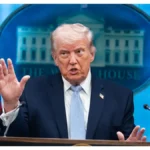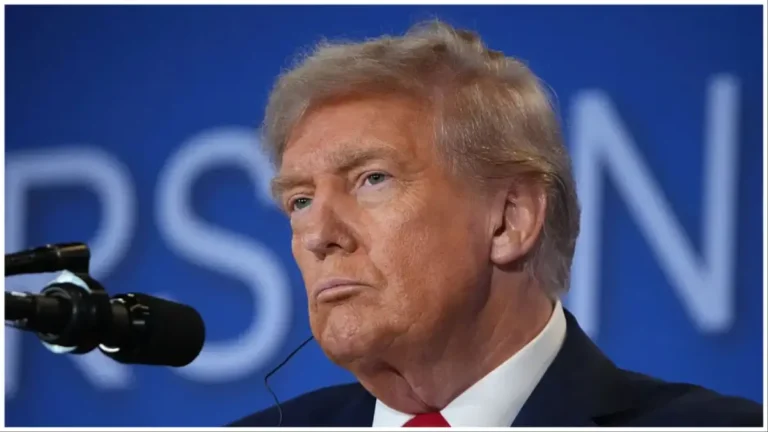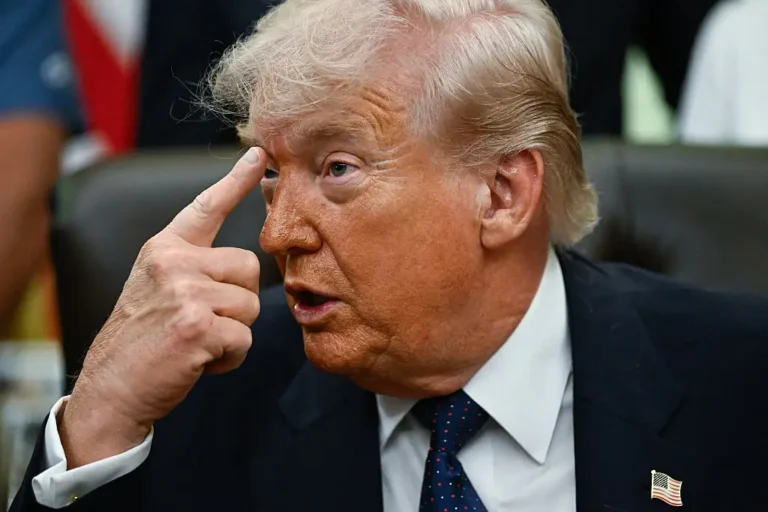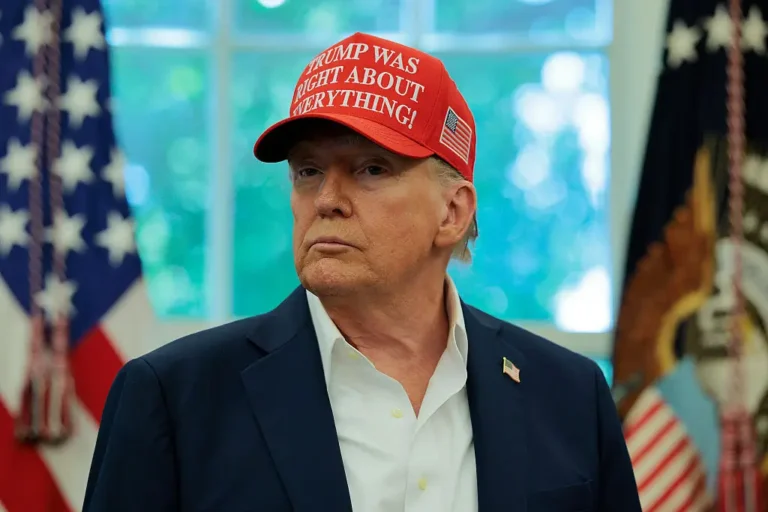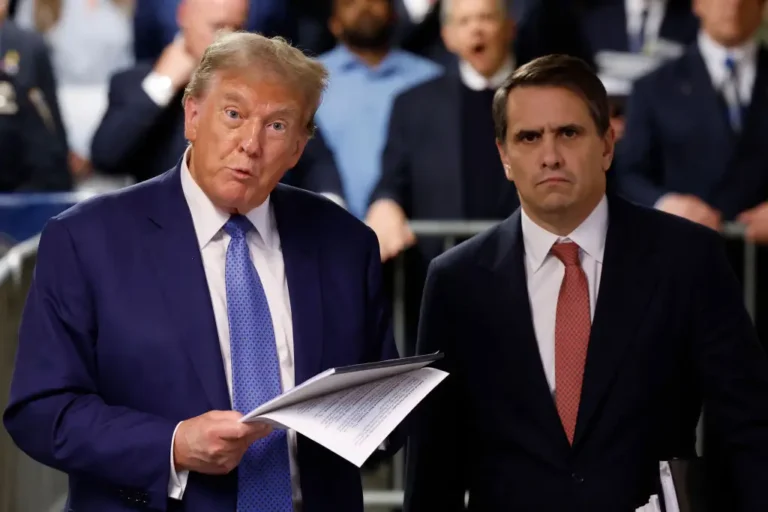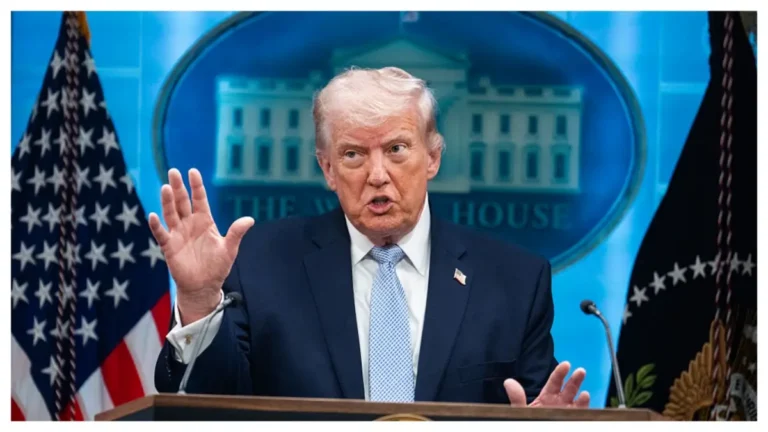
In a tense exchange that was anything but routine, President Donald Trump’s interview with NBC’s Kristen Welker took a turn that exposed his notorious thin skin. As the rain pattered against the windows, the atmosphere shifted from cordial to confrontational when Welker pressed Trump on his past comments regarding race and ethnicity. It was evident that she had found the president’s breaking point. The moment she challenged him on his record, the disdain flickered across his face, culminating in a flustered outburst: “You’re stupid!”
This wasn’t just another journalist holding a powerful figure accountable; it was a Black woman in a position of authority taking Trump to task. This dynamic added layers of complexity to the confrontation. Welker’s incisive questioning made Trump visibly agitated—his face turned red as he struggled to maintain composure. It was a vivid reminder that even the most powerful figures are not immune to the accountability that comes from a determined press. As he ripped off his microphone in frustration, the scene echoed far beyond the studio walls, serving as a stark illustration of the challenges faced by journalists, especially those from marginalized backgrounds.
Kristen Welker’s performance under pressure showcased her skill and tenacity as a reporter. She navigated the conversation with poise, unafraid to question the president on matters that many shy away from. Her ability to provoke such a visceral response from Trump hinted at a powerful precedent; she has shown that the truth can unnerve even the most resilient individuals. For Welker, this was not just a moment in time, but a potential turning point for an ongoing dialogue about race, power, and media in America.
As political discourse continues to evolve, journalists like Welker are shaping the narrative. Her boldness and commitment to uncovering uncomfortable truths signal a shift, one where Black voices can and will confront power head-on. The world is watching, and with each interview, there’s a reminder that the stakes are high, and the fight for accountability is far from over.
About The Author