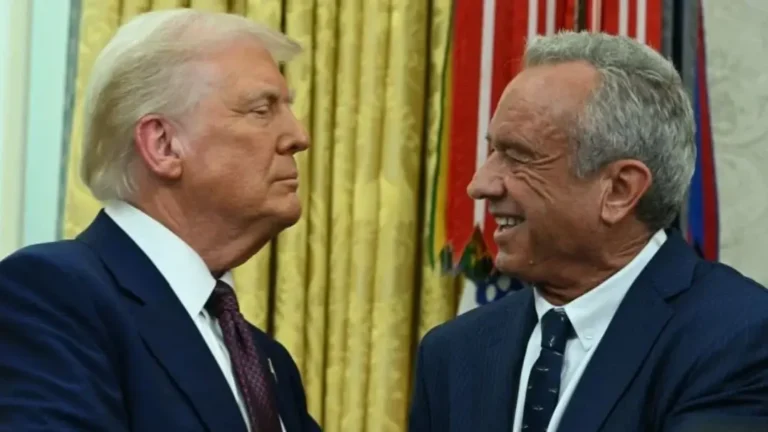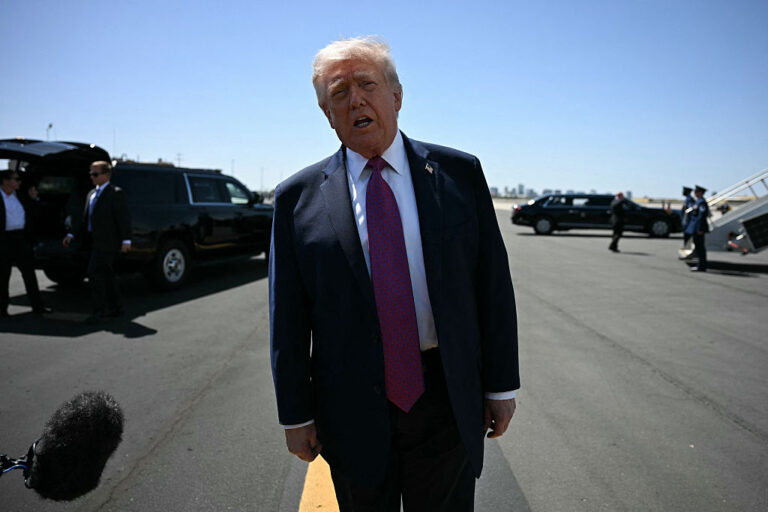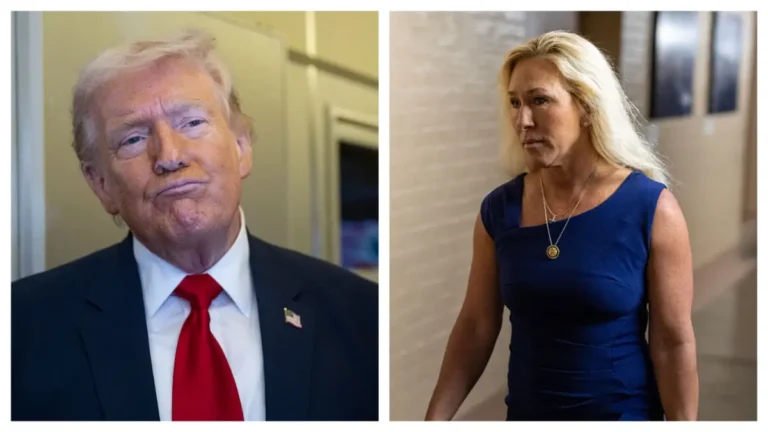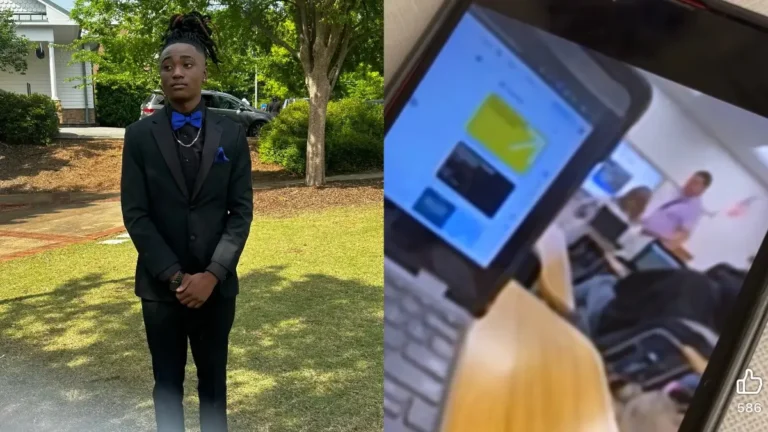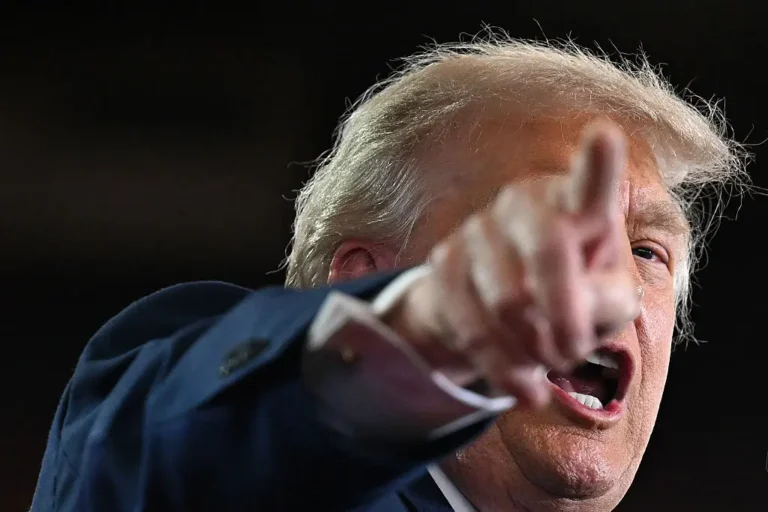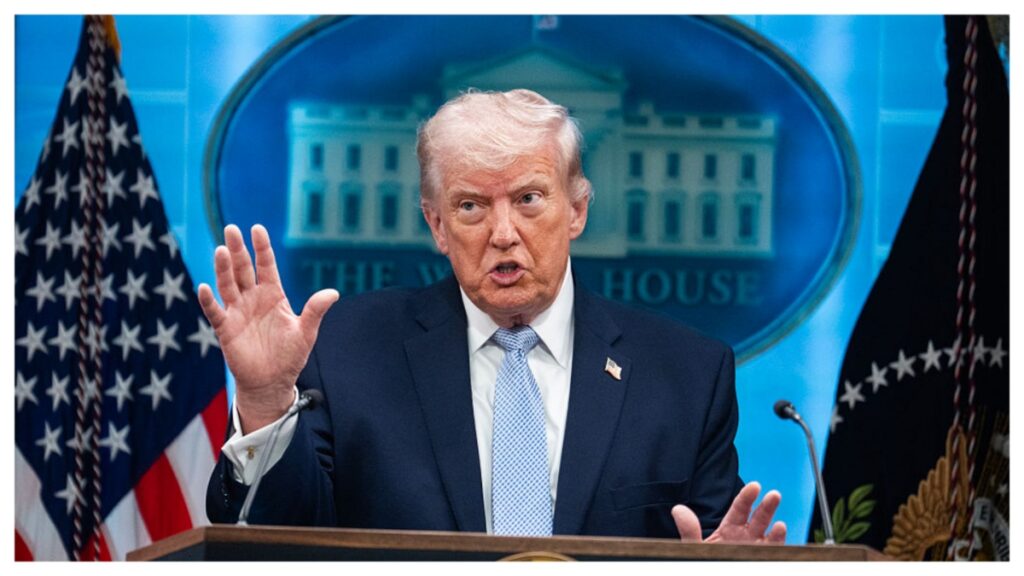
In a recent event, President Donald Trump orchestrated a moment that many would view as a display of compassion. The applause reverberated through the room as he offered words of support. Yet, beneath the surface, a stark reality emerged: Trump’s version of kindness often feels transactional. His gestures, however grand, seem to hinge on the belief that loyalty must be reciprocated with unwavering gratitude.
Critics have long pointed out that Trump’s approach to support is steeped in a mindset of power dynamics. The praises he received were laced with irony, as many theorists argue that his intention is not to uplift but to remind those he assists of their dependency on him. This dichotomy raises serious questions about the authenticity of his goodwill. Can true compassion exist when it is so closely tied to self-interest?
The applause in the room may have been loud, but the whispers of skepticism were louder. Viewers noted that while Trump might have elicited applause with his words, they ultimately serve as a reminder that his support comes with strings. His rhetoric suggests that he will never let these men forget that their success is intertwined with his benevolence, reinforcing the notion that they are, at best, beneficiaries of his whims.
This complex interplay of power and kindness reveals a troubling perspective on leadership. True support should empower individuals to stand on their own, not keep them tethered in a cycle of gratitude. As discussions about loyalty, power, and race continue to unfold, we must critically examine the implications of such exchanges and strive for a deeper understanding of what genuine support should look like.
About The Author