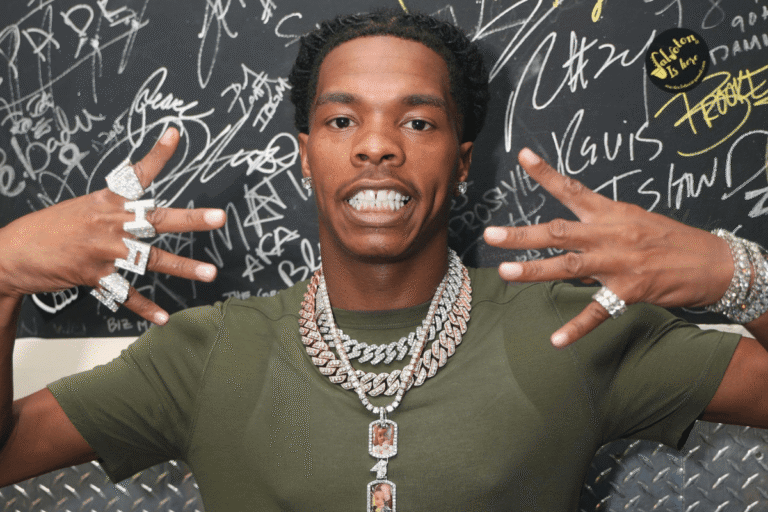
In a culture where art meets activism and history intertwines with lyrical genius, the recognition of rappers through honorary days speaks volumes about their impact. These artists have not only shaped the soundscape of Hip Hop but have also become cultural icons that inspire generations. When a municipality declares a day in homage to a rapper, it goes beyond mere recognition; it’s a celebration of the legacy they’ve built through their craft, their influence, and their profound connection to the community.
Take, for instance, the legendary Tupac Shakur, whose birthday, June 16, is celebrated as a day of remembrance and appreciation in many circles across the country. On this day, fans gather, not only to honor the music but to reflect on the messages of resilience and empowerment that Pac infused into his verses. His work didn’t merely entertain; it ignited conversations on social justice, love, and the struggles of the Black community, making his legacy far richer than just his discography.
Then there’s the dynamic Lil Wayne, who received his own honorary day in New Orleans, a city that has molded so many artists. Celebrating his contributions isn’t just about acknowledging the artist; it’s about celebrating the culture that birthed him. Wayne’s influence stretches far beyond his catchy hooks and inventive wordplay—he’s a trendsetter who opened doors for a new generation of artists to express themselves authentically, unapologetically, and with an unmatched flair. When New Orleans honors him, it’s a tribute to the city that raised him and the culture he continues to uplift.
Honorary days for rappers serve as a powerful reminder of their roles as storytellers and cultural bearers. These days remind us that the issues they rap about—systemic injustice, love, pain, triumph—are still relevant today. They challenge us to reflect on our own narratives, to celebrate our shared histories, and to acknowledge the platforms these artists have built for our voices. As we elevate the legacies of these icons, we also inspire the next wave of creatives to rise, speak, and redefine what it means to be heard.
So, as we mark these days, let’s do more than just celebrate. Let’s engage with the impulses that drive our culture. Let’s support artists still making waves, strengthen our communities, and continue the dialogue that gives rise to new legends. Honorary days are not just a nod to the past; they are a call to action, reminding us that our stories are ongoing and our voices need a space in this world. Rappers have paved the way, and it’s up to us to keep the momentum going.
About The Author