By Simone Walker, PowerVault Staff
The lights drop, the crowd gets quiet, and somewhere in the dark a Black girl with blue braids and a notebook on her lap is about to see a version of herself on screen that she has never seen before. That is the kind of moment that turns a kid who loves movies into a director, a costume designer, a cinematographer, a showrunner. That is the energy that hits Savannah every fall when the SCAD Savannah Film Festival pulls up.
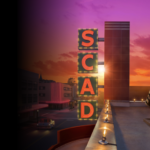
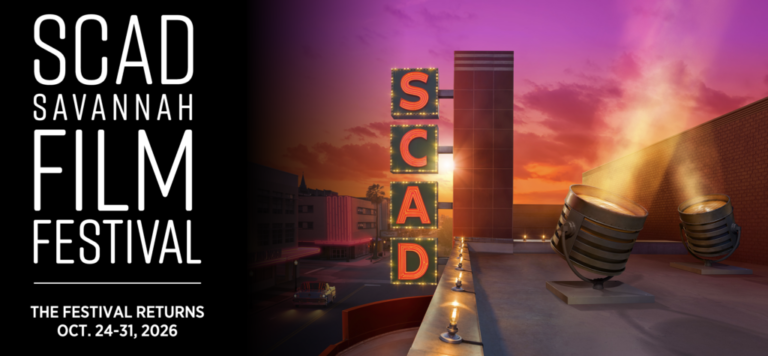
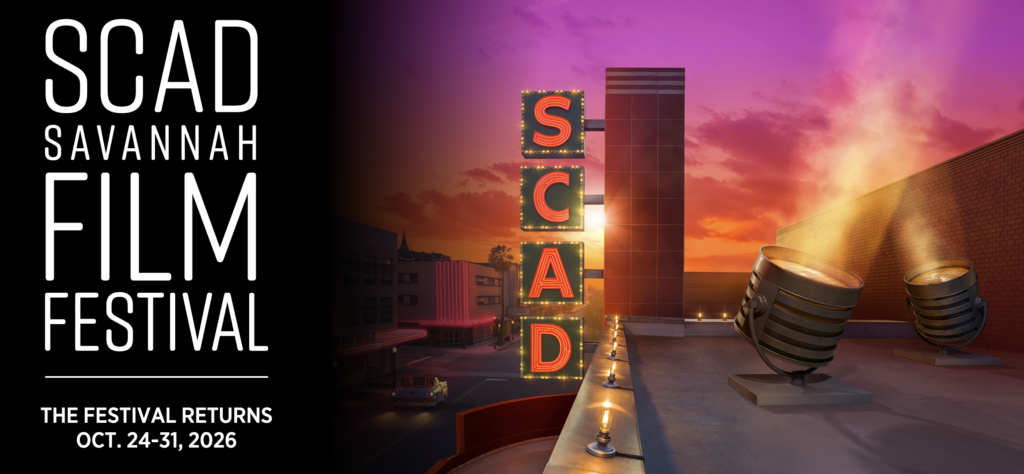
The SCAD Savannah Film Festival is coming back for its 29th year, running October 24 to October 31, 2026, and on the surface it looks like another glossy festival: red carpets, Q&As, industry panels, a couple celebrities flying in to promote their films, a sea of badges. But underneath all that, this thing is basically a training ground and a testing lab for the next generation of visual storytellers, including a lot of young Black talent trying to carve out space in an industry that still treats us like a quota instead of a foundation.
SCAD is the Savannah College of Art and Design, and over the years they have quietly turned their festival into one of the biggest university-led film events in the country. That matters because a college-based festival is not built like Sundance or Cannes. The power dynamic is different. You are not just chasing distribution deals and awards-season campaigns. You are also watching professors walk in with their students, alumni on their second feature, and local kids from Savannah getting their first taste of what a real festival feels like. The hierarchy softens a little, which can open the door for people who do not have a famous last name or a Hollywood uncle.
For Black filmmakers and creatives, a space like that can be a cheat code. The industry loves to talk about “discovering new voices” while still leaning on the same five Black directors every time award season comes around. A school-driven festival that is already respected by studios and press gives emerging talent a rare mix of clout and safety. You can experiment, fail in public, get real-time feedback, and still be one solid screening away from an internship, a writers room offer, or your short film getting passed to a producer who can actually pick up the phone.
There is also something specific about Savannah as a backdrop. This is the Deep South, with all the weight that phrase carries. Streets lined with Spanish moss, squares named after slave owners, Black neighborhoods wrestling with tourism money and gentrification. Throw a film festival in the middle of that and you are not just making art, you are in conversation with history whether you want to be or not. A period piece about the 60s hits different when you walk out of the theater and stand on bricks laid in the 1700s by enslaved people. A modern romance about a Black couple trying to stay in their neighborhood while the rent spikes does not feel “topical,” it feels like something you could overhear at the bar after the screening.
Think about how hip-hop festivals shifted once they left only New York and LA and started popping up in places like Atlanta and Houston. The culture did not just travel, it grew roots in new soil. The SCAD Savannah Film Festival works like that for film. A Black horror short screened in Savannah is going to pick up different meaning than if it premiered in Park City surrounded by snow and tech bros in Patagonia vests. The South is already one of the most creative regions in Black culture, from trap to bounce to Atlanta TV shows. Putting a serious film festival in that ecosystem just multiplies the energy.
There is also the question of who controls the narrative. A lot of Black filmmakers are tired of having to pitch trauma just to get white funders to say yes. College-linked festivals can be a little more open to joy, weirdness, and specificity, because they are not only chasing box office projections. That is how you end up with shorts about Black skaters in small towns, Afrofuturist romances, Gullah Geechee sci-fi, or quiet dramas about HBCU marching bands that are not built around hazing scandals. When the gatekeepers are professors and programmers who live in the region year-round, not just executives flying in on private jets, the range of what “counts” as a festival film can widen.
Of course, the flip side is that institutions love to say they are diverse without putting real power behind it. Black folks have seen that play out on every level, from the way big schools police Black students on campus to how corporations tokenize us every February. The same kind of skepticism that people had watching Karen Attiah fight her own newsroom for respect applies here too. It is not enough to put Black films on the schedule. Who is deciding what screens in the first place? Who is on the panels? Who gets the prime-time slots versus the 10 a.m. screenings where half the seats are empty and everybody is still hungover?
That is why the 29-year mark is interesting. Almost three decades in, a festival has a track record. Alumni can speak on whether SCAD actually supports them once they graduate or if the school just posts them on the website when they win something. Black attendees can talk honestly about whether they feel seen or just tolerated. And because so many Black millennials and Gen Z are already suspicious of big institutions after watching universities mishandle everything from COVID to campus policing, the festival cannot just rely on vibes and pretty posters. It has to show that it is really investing in Black creatives, not just using them to check a box for sponsors.
There is also a generational shift happening. Younger Black filmmakers are coming up in a world where a whole movie can be shot on an iPhone and distributed on TikTok before a festival programmer even sees it. That DIY energy is the same spirit behind mixtapes and independent rap movements, from early Gucci Mane in Atlanta to Chicago drill kids uploading to YouTube before labels caught on. Festivals used to be one of the only doors into the industry. Now they are one option. That means SCAD and festivals like it have to offer something more than just a screen and a step-and-repeat.
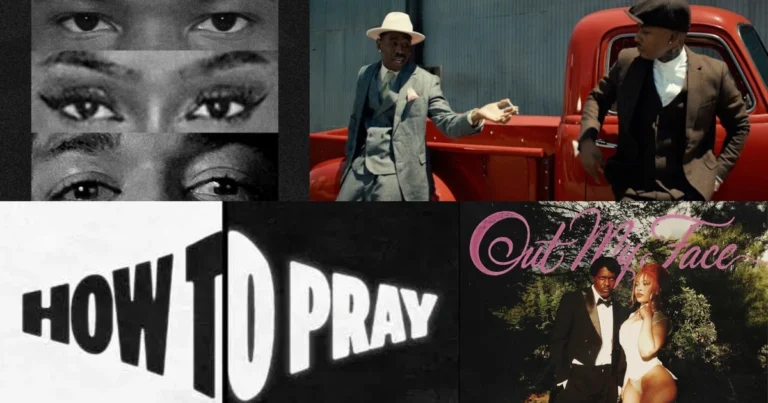
The best thing a festival can give a young Black creative is access. Not just to executives, but to each other. Screenwriters meeting composers. Animators meeting costume designers. Directors linking with young rappers who want to score films instead of just dropping singles. That cross-pollination is how you end up with projects that feel as real and layered as the stories in something like “One Night Only”. When a festival is built inside a school that already has majors for all those disciplines, the networking can be deeper than just swapping IG handles in a lobby.
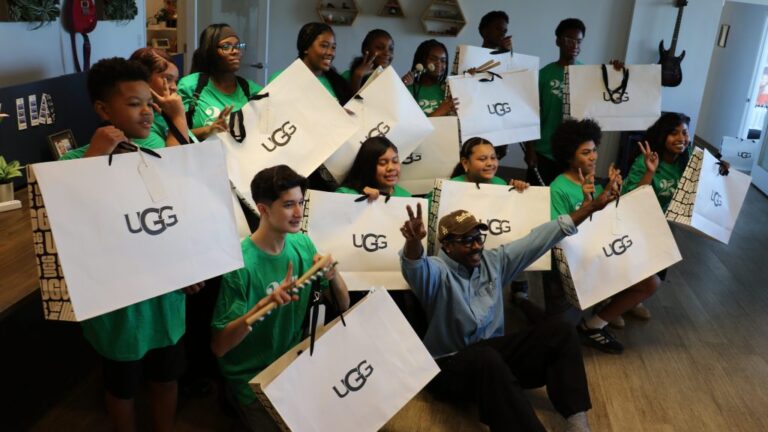
There is also an opportunity here for hip-hop and film to keep feeding each other in a smarter way. For decades, Hollywood treated rappers like props in crime movies or comic relief in buddy comedies. Now, a lot of the most interesting visual storytelling around Black life is coming from artists who move between both worlds: Donald Glover, Kid Cudi, Tyler, the Creator, even Channel Tres quietly building community with young Black music students in LA and beyond, like we broke down in our piece on his work with students. A festival like SCAD’s is where that next generation of multi-hyphenates can experiment without being boxed into one lane.
What cannot get lost in the red carpet photos is the reality that the film industry is still brutal, especially for Black people. This is the same Hollywood where Black-led shows get canceled early, where DEI departments are being quietly downsized, where executives will fly across the country to sit on a “diversity panel” and then go right back to greenlighting the same five kinds of stories. The gap between the inspiration of a festival and the grind of trying to make a living in this business is real. That gap is as sharp as the moment when you leave a beautiful campus screening and step into a city where Black residents are still fighting over basic safety, voting rights, and housing, the same kind of tension we see when national stories clash with local realities, like that wild ICE agent leaving a gun in an airport bathroom and everybody pretending it is normal.
So what should Black creatives, and Black audiences who care about film, be watching for as SCAD Savannah Film Festival hits year 29? Pay attention to who is centered in the marketing and on the main stages. Notice how many Black-led projects get multiple screenings instead of one throwaway slot. Look at who is invited back as mentors or honorees after they blow up. Track whether the conversations on panels go beyond “representation matters” into hard talks about ownership, fair pay, and mental health in an industry that will chew you up if you let it.
Also watch the ripple effect. Do films that premiere in Savannah lead to real deals for Black creators, or just festival buzz? Do students of color at SCAD feel like this is their festival too, or something happening around them that they are lucky to be allowed into? Are local Black businesses and artists part of the ecosystem during those eight days, or does the money and attention skip right past them?
The 29th SCAD Savannah Film Festival is not just another date on the calendar, it is a checkpoint. Almost thirty years in, this is where a festival decides what it wants to be in its grown era. For Black filmmakers and fans, the hope is that it leans into being a true Southern hub for bold, specific, unwatered-down stories about our lives. If it does, the kid with the blue braids in that dark theater might not just walk out inspired. She might walk out with a plan, a collaborator, and a clear path from Savannah to whatever story she is meant to tell next. And if the festival gets it right, by the time SCAD hits its 30th or 35th year, we will be talking about it in the same breath as the big names, not as a side note, but as one of the places where the future of Black film actually started to look like us.
About The Author