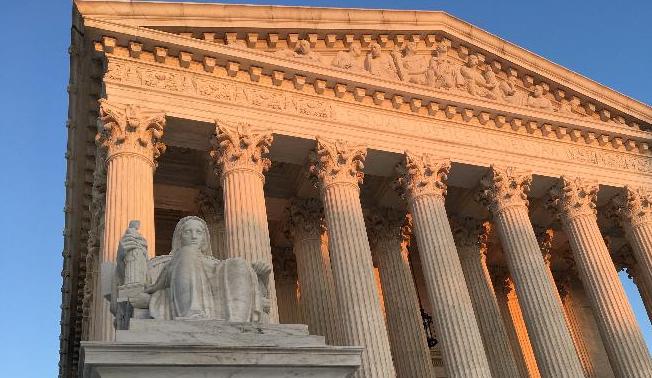
The recent Supreme Court ruling delivered a devastating blow to voting rights, particularly for Black and Latino communities across the United States. The court, with its 6-3 conservative majority, has made it significantly more difficult for these voters to effectively challenge discriminatory district maps that dilute their electoral power. Chief Justice John Roberts has been pivotal in this shift, reinforcing a trend that many advocates fear will further marginalize already underrepresented voices in the political arena.
Historically, the Voting Rights Act was a crucial piece of legislation that aimed to combat racial discrimination in voting. Yet, with each subsequent Supreme Court decision, the protections that once empowered disenfranchised populations are being chipped away. This latest ruling illustrates a troubling trajectory, one that risks leaving Black and Latino voters without the necessary legal recourse to contest gerrymandering and other forms of voter suppression.
For many, this ruling isn’t just about politics; it’s a matter of community and identity. The implications of such a decision extend beyond the ballot box, affecting how communities are represented and how resources are allocated. As these communities face increasing challenges, including socioeconomic disparities and systemic racism, the court’s decision sends a stark message that the fight for equitable representation will be an uphill battle.
Activists and lawmakers are already mobilizing to push back against this ruling, emphasizing the need for renewed efforts to safeguard voting rights. In a nation built on the premise of democracy, it’s essential to remember that every voice counts. As we look toward the future, it’s clear that the struggle for justice continues, and it is incumbent upon all of us to stand in solidarity with those fighting for the rights that should be guaranteed to every citizen.
About The Author