By Malik Carter, PowerVault Staff
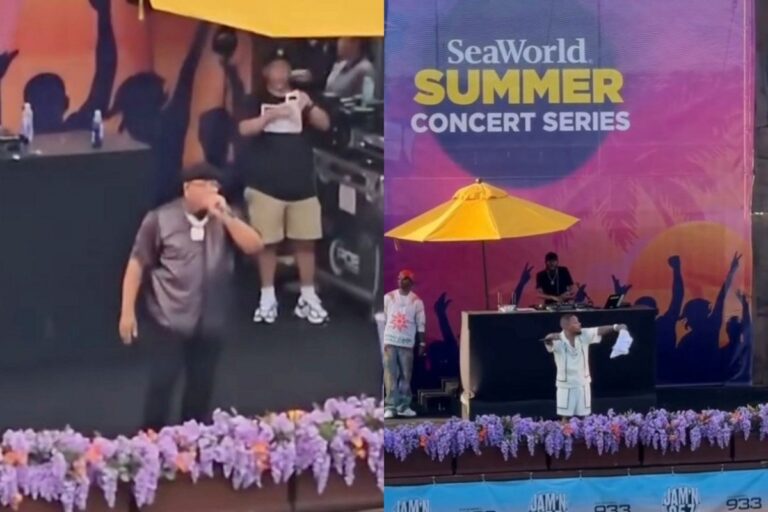
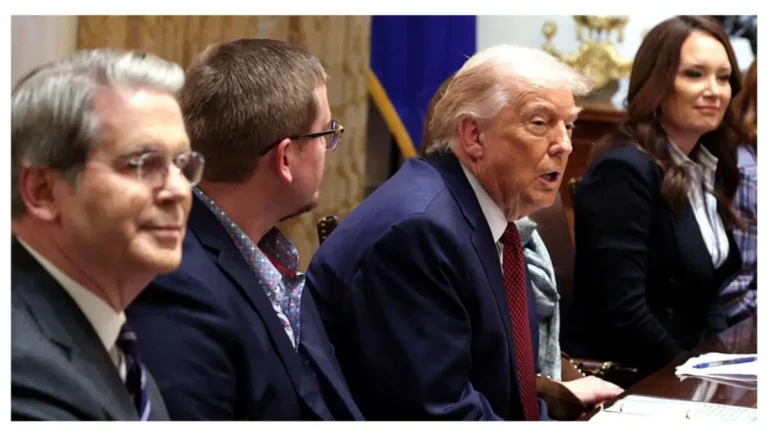
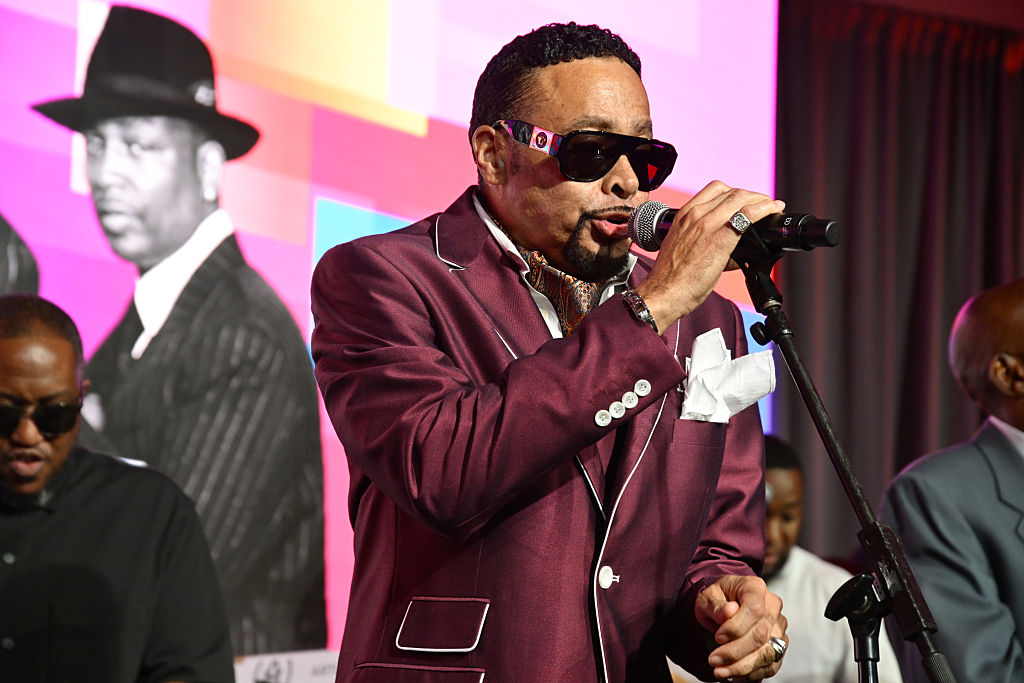
In a powerful display of artistic integrity, iconic acts like Young MC and Morris Day have decided to pull out of the Freedom 250 concert scheduled for next month in Washington, D.C. This event, aimed at celebrating the 250th anniversary of America’s independence, is being headlined by none other than Donald Trump, a figure whose presidency and policies have been consistently criticized for their impact on marginalized communities. These artists’ withdrawals signal more than just a change of venue; they represent a vital stand against the commodification of Black talent in a space that many feel undermines the very essence of freedom.
To truly grasp the significance of this moment, we have to acknowledge the backdrop of political and social unrest that has defined recent years. Since the Black Lives Matter movement took center stage, there’s been a renewed examination of how Black artists navigate their public personas within a predominantly white, male-dominated industry. The Freedom 250 event ironically promises a celebration of freedom while embodying the very systems that have historically oppressed many in the Black community. As artists like Young MC and Morris Day withdraw from this platform, they highlight a growing recognition that their presence cannot be used as a cosmetic layer of respectability over deeply flawed ideologies.
This rejection is about more than just one concert; it reflects a broader cultural awakening within the Black community. Artists, particularly those with rich histories that intersect with the fight for civil rights and social justice, are increasingly unwilling to lend their voices to platforms that don’t align with their values. The message is clear: Black artistry will not be co-opted for political gain. Instead, it should serve as a source of empowerment for the community—something that uplifts rather than panders.
In many ways, this moment recalls the 1990s when artists like Public Enemy took bold stances against systemic injustices and corporate exploitation. Just as they were willing to forgo mainstream acceptance for the sake of their message, today’s artists are following suit. They are not shy about calling out hypocrisy, reminding us that the stage is not just a platform but a reflection of one’s beliefs. The tide is turning, and we are witnessing a renaissance of principled stances in hip-hop and across the arts.
As we look ahead, it’s essential to consider what this means for future events and for the landscape of Black artistry going forward. Will more artists step away from events that compromise their values? Will the industry take notice and adjust its approach to engaging with Black artists? The Freedom 250 concert may have been intended as a unifying celebration, but it inadvertently spotlighted the fractures within our society and the art that emerges from it. In a world increasingly keen on authenticity, it’s clear: the next generation of Black artists are determined to stand firm in their beliefs, and we should be here for every unapologetic step they take.
About The Author