By Marcus Ellison, PowerVault Staff
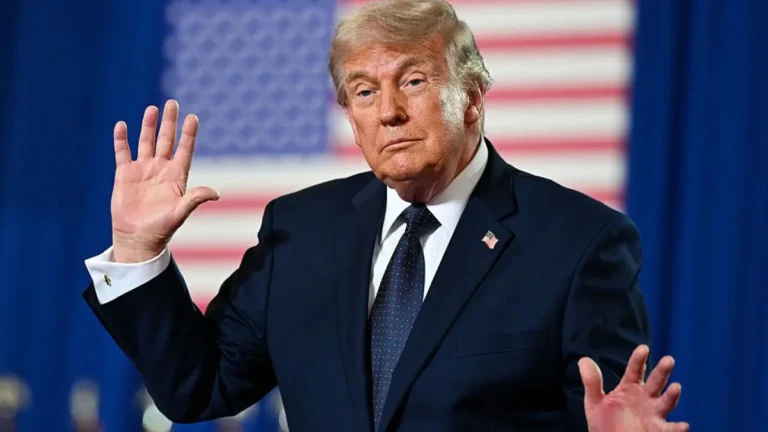
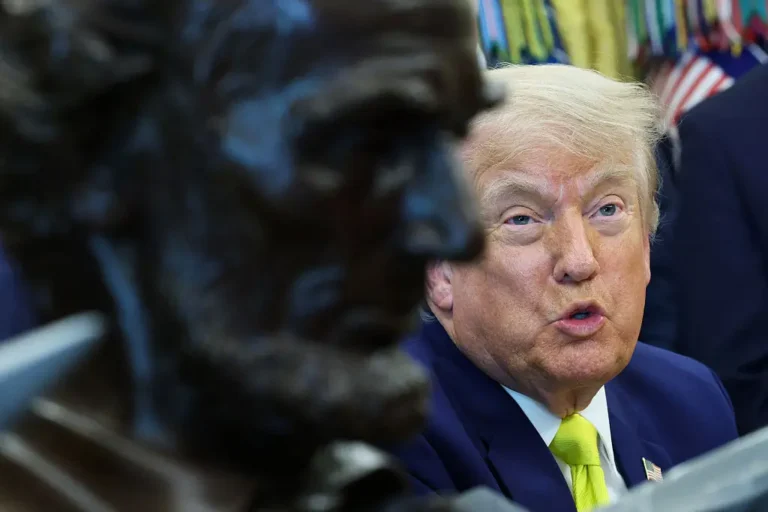
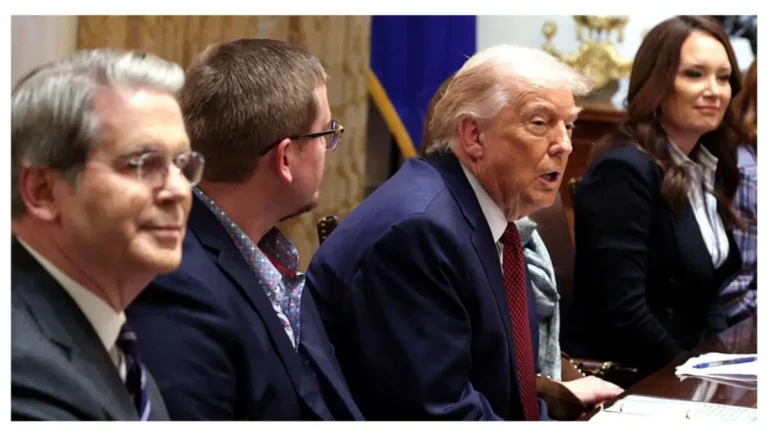
In an age when representation matters more than ever, the Trump administration’s recent decision to prioritize a coin adorned with the former president’s face over the long-awaited Harriet Tubman $20 bill is a kick to the gut for many. Just days after Treasury Secretary Scott Bessent announced that Tubman would again be sidelined, Trump proudly flaunted a new coin celebrating himself. It’s a stark reminder that in the quest for visibility, Black figures who have fought for justice are often relegated to the margins, while others bask in the spotlight.
This isn’t just an isolated incident; it’s part of a wider narrative that reflects the systemic disregard for Black historical contributions. Harriet Tubman, a figure who embodies freedom, resilience, and the fight against oppression, deserved to be celebrated on U.S. currency. Her legacy is not only significant to the Black community but to all Americans, representing a struggle that laid the groundwork for future civil rights movements. Yet, here we are again, watching as those in power choose to erase this rich history in favor of self-aggrandizement.
This moment illustrates a broader cultural battle over the narratives that shape our identity. Trump’s penchant for self-promotion, especially amid pressing social issues, showcases an unsettling trend of narcissism at the top. It’s emblematic of how the nation often chooses to prioritize those in positions of privilege while ignoring the cries for recognition from the very individuals who have shaped its history. The choice to celebrate Trump over Tubman isn’t merely a mistake; it’s a reflection of our societal values — or lack thereof.
We’ve seen similar instances in the past, where the contributions of Black figures are overlooked in mainstream discourse. For example, when the film “Black Panther” was released, it became a cultural phenomenon not just for its entertainment value, but because it gave the world a glimpse into a narrative that had long been ignored or misrepresented. In contrast, how often do we see powerful stories of Black heroes like Tubman elevated to their rightful place in the American consciousness? The answer is painfully clear — not often enough.
As we move forward, it’s crucial to keep pressing for representation that honors our history in its entirety. The fight for Tubman’s place on the $20 bill is more than just about currency; it’s about recognition, respect, and reclaiming the narrative. In a political landscape that seems to thrive on division and erasure, let’s keep the conversation going and demand that the stories of those who have fought for justice, like Tubman, get the honor they deserve. The struggle for representation isn’t over, and it’s up to us to ensure that future generations see themselves reflected in the history they are taught.
About The Author