By Marcus Ellison, PowerVault Staff
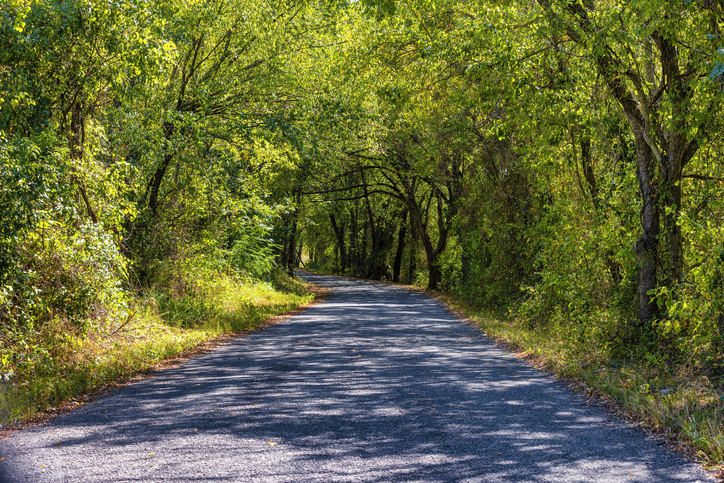
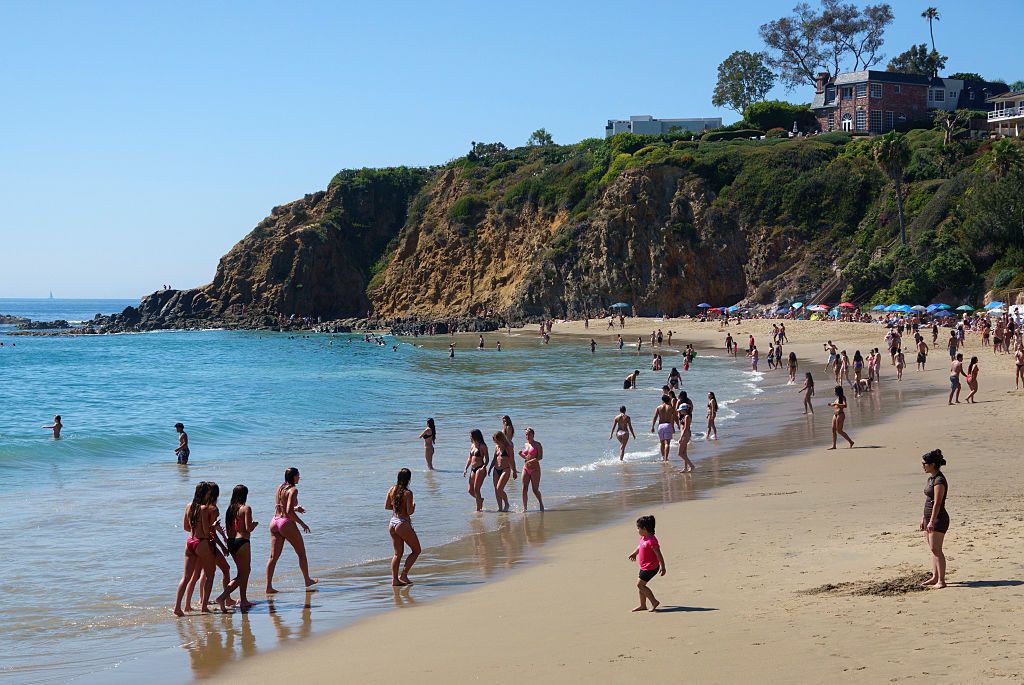
As sizzling summer temperatures soar to record highs in western states like California, Arizona, and Nevada, it’s more than just a seasonal annoyance. The triple-digit days are hitting earlier than normal, raising concerns not just about how we manage our days but also about the broader implications of climate change that disproportionately affects our communities. It’s time we start connecting the dots between extreme weather and the cultural spaces we inhabit.
While the heat wave may seem like just another summer phenomenon, it is a stark reminder of a larger, persistent issue: climate change. The scientific community has long warned that human activity is accelerating global warming, and the western U.S. is feeling the heat—literally. From wildfires to droughts, the environmental crisis is already here, and it’s affecting our neighborhoods, air quality, and even our health. Communities of color, often overlooked in these discussions, are on the front lines facing these harsh realities. The heat wave isn’t just an inconvenience; it’s a clarion call for us to rethink how we interact with our environment.
For the hip-hop community, music has always been a reflection of our lived experiences. From the streets of Compton to the avenues of Atlanta, the environmental shifts we face are mirrored in the lyrics of our artists. How can we talk about survival and resilience in our communities without acknowledging the increasingly hostile climate we live in? Artists like J. Cole and Kendrick Lamar have deftly connected personal struggle to larger societal issues. The same way they tackle systemic racism and economic inequality, they must also bring awareness to climate injustices. This heat wave is not just a weather report; it’s a chance for us to mobilize our culture and advocate for systemic change.
Looking back to Hurricane Katrina, we saw the catastrophic impact of climate-related disasters on Black communities, especially in New Orleans. It wasn’t just the physical destruction that was alarming; it was the lack of response and resources for those most affected. Fast forward to today, and the heat wave is a subtle but telling indicator that we might not be prepared for the next catastrophe. We have an opportunity to learn from past mistakes and ensure that our voices are included in climate conversations, demanding better policies and resources.
As we navigate these sweltering days, let’s not forget that the solutions won’t come from the sidelines. We need to demand equal representation in climate planning and solutions that cater to the specific needs of Black communities. As the temperatures rise, so does our urgency to act. The hip-hop community can be the catalyst for change, using our platforms to elevate awareness and inspire action. Let’s turn up the volume on this conversation and work towards a cooler future—not just in the weather forecast, but for generations to come.
About The Author