By Tanya Brooks, PowerVault Staff
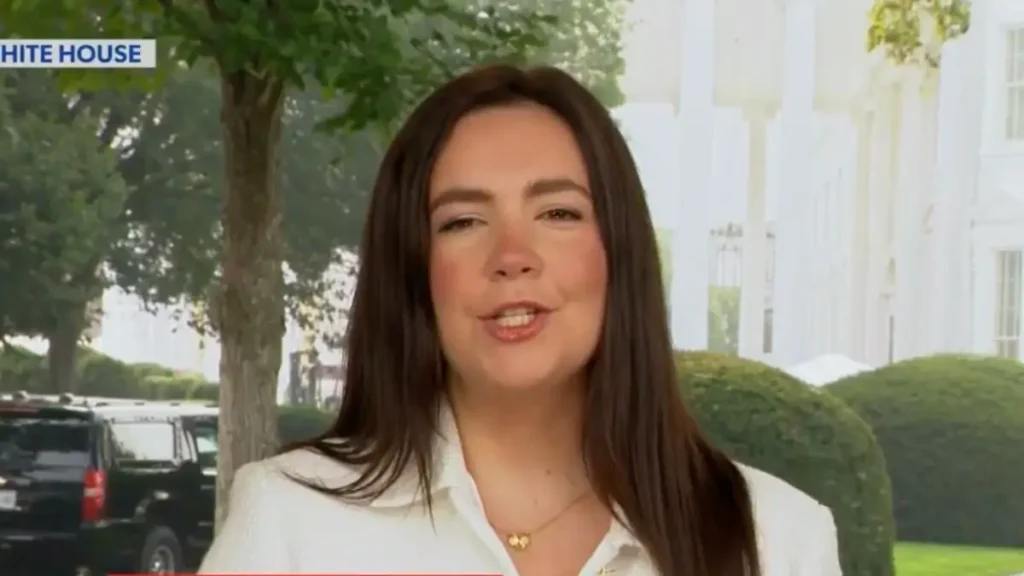
Recently, a White House spokeswoman made headlines for a bizarre comparison between election security and an all-you-can-eat pasta bar at Olive Garden. While she likely didn’t intend to spark a viral moment of mockery, her comments echo a broader trend in which serious issues are trivialized by those in power. This latest gaffe isn’t just a comedic misstep; it’s a reflection of how disconnected some officials are from the realities faced by everyday Americans, especially in Black communities that have historically battled for their voting rights.
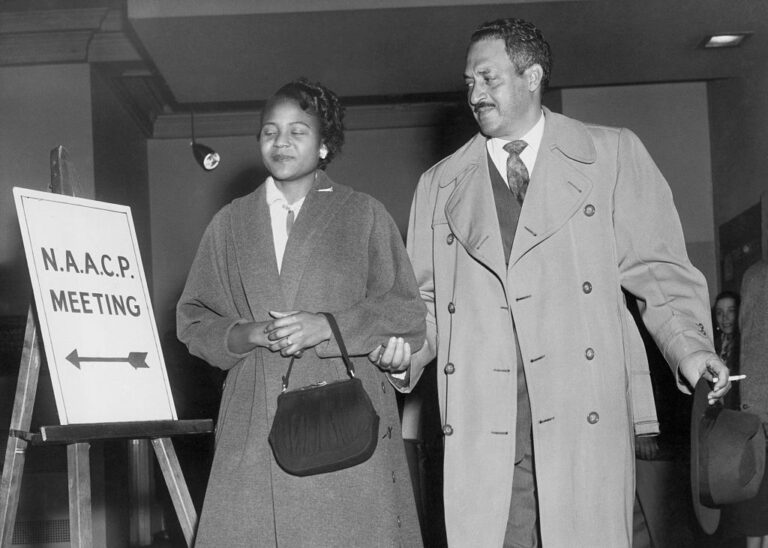
To put this in context, it’s essential to remember that the integrity of our electoral process is not just a talking point; it’s a matter of life and death for many. For Black voters in particular, every election is loaded with the weight of historical injustices and systemic disenfranchisement. We have seen our rights to vote challenged and diminished throughout history, from Jim Crow laws to modern-day voter ID laws. When government representatives reduce these crucial institutions to a joke about pasta, they negate the struggles and sacrifices that countless activists have made to secure our voices.
This kind of trivialization is not merely a matter of poor taste; it reflects a growing normalization of absurdity in political discourse. It’s easy to laugh it off, but we must remember that laughter can sometimes mask a deeper frustration. When officials discuss electoral integrity with the same nonchalance that one might reserve for discussing dinner options, it becomes painfully clear that there’s a chasm between their experiences and the realities faced by many voters. The community deserves representatives who understand the weight of their words and the power of their platforms.
This isn’t the first time we’ve seen this disconnect. Remember the infamous remarks by politicians during the 2020 election cycle, where they downplayed the significance of mail-in ballots and dismissed legitimate concerns about voting access? It’s as if there’s an ongoing competition for who can sound the most out of touch while the very people they’re supposed to represent are left scrambling for access and equity. The difference today is that the Internet is unforgiving; social media amplifies these missteps, turning them into fodder for ridicule and critique almost instantaneously.
As we move forward, we must keep our eyes on the bigger picture. The focus should not just be on the absurdity of these comments but on demanding accountability from our leaders. This means engaging in the political process beyond memes and hashtags. We must ensure that our struggles for voting rights remain at the forefront of the national conversation, forcing those in power to acknowledge not just their disconnect, but also the very real implications of their actions and words. The stakes are higher than ever, and as we approach the next election, we need representatives who understand that the ballot isn’t just a piece of paper or an ‘all-you-can-eat’ buffet; it is the manifestation of our collective voice, our rights, and our future.
About The Author