By Jasmine Reed, PowerVault Staff
Picture sitting in the barbershop or looking at the group chat on a quiet afternoon, arguing about summer workouts, pro-am runs, and who has the best sneaker line going into the autumn. Out of nowhere, news breaks that the league office dropped a random, partial schedule reveal for a season that is still years down the line. The reaction across social media was swift, brutal, and completely unanimous. Fans did not ask for a chopped up trailer for basketball games scheduled in the distant future. They wanted clarity, straightforward scheduling, and respect for the rhythm of the game.
When the league officially unveiled a three game teaser for the 2026-27 regular season opening slate on Tuesday, basketball purists immediately voiced their frustration. The announcement picked out three specific matchups while leaving the rest of the calendar shrouded in mystery and corporate posturing. Within minutes, social feeds and comment sections were overflowing with outrage. Fans called the decision the stupidest thing they had ever seen from executive leadership, pointing out that drip feeding basic game dates feels less like a celebration of basketball and more like an aggressive move designed to manipulate network ratings and streaming subscriptions.
The frustration goes much deeper than just a single trending topic. Modern sports culture relies on the passion of diehard supporters who plan their personal schedules, ticket purchases, and fantasy leagues around full calendar drops. By dropping three standalone games for a future season while keeping the rest of the schedule under lock and key, executive leadership turned what should have been a fun summer moment into an over engineered media spectacle. Basketball followers were quick to point out that fans are tired of being treated like captive consumers who will clap for whatever trickle of content executives decide to hand out.
There is a growing disconnect at the top level of professional basketball, and it seems to get wider every single summer. The league office appears obsessed with tinkering with elements of the sport that were never broken in the first place. Between mid season tournaments, complex play in formats, and now fragmented schedule announcements, the sport is being stripped of its raw organic feel. Hoops culture was built on the blacktop, in local arenas, and around living room televisions where families gathered to watch reliable, scheduled rivalries unfold naturally. Replacing that tradition with corporate marketing gimmicks feels like a direct slap in the face to the culture that made the game global.
When looking at how fandom operates today, especially among Black millennials and Gen Z, authenticity is the currency that matters most. Younger fans can spot an artificial hype machine from a mile away. They care deeply about the culture surrounding the game, from baseline fashion and hip hop court side appearances to true basketball competition. Trying to turn a standard regular season calendar into a multi phase corporate rollout shows a complete lack of understanding regarding what actual fans value. People do not want teased releases for standard season openers. They want accessibility, fair ticket prices, and games that actually matter on television networks they can access without buying five different streaming packages.
Looking back at classic eras of basketball helps explain why this recent stunt feels so hollow. During the golden age of rivalries, opening night and holiday slates were sacred events. You knew months in advance exactly when major teams were going to clash, and those rivalries were fueled by genuine competitive tension. Think back to the legendary battles involving superstars who brought unfiltered intensity to every single quarter on the floor. When honoring Kobe Bryant’s legacy of raw, unfiltered competitiveness, the focus was always about the purity of the matchup rather than the convoluted media rights strategy behind the broadcast. The schedule was simple because the basketball spoke for itself.
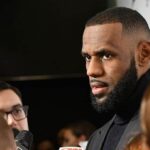
Today, however, the business side of professional sports often threatens to swallow the culture whole. Modern superstars are global icons who navigate massive entertainment empires while maintaining elite performance levels. Seeing LeBron James branching into major sporting ventures outside of basketball proves how lucrative the broader sports landscape has become for elite athletes. Yet, while players build their individual legacies and business portfolios, league brass seems intent on squeezing every last drop of attention out of fan patience through fragmented viewing models and artificial announcement schedules.
The broadcast landscape itself is becoming increasingly hostile toward everyday viewers. Decades ago, leaders like Cathy Hughes demonstrated how Black media networks built authentic connections with fans by prioritizing direct community access and genuine storytelling. Today, major sports leagues are doing the exact opposite by locking games behind paywalls and splitting schedules across multiple corporate streaming platforms. When fans are told to get excited about three random games two years in advance while still struggling to figure out which streaming app carries their local home team today, anger is the only logical response.
Black culture and hip hop culture have carried the popularity of professional basketball for decades, turning baseline action into global pop culture trends. The music played in arenas, the fashion worn in tunnel walks, and the digital dialogue driven by young Black creators are the lifeblood of modern hoops popularity. When executives make decisions that alienate that core community, they risk damaging the underlying bond that makes basketball special. Fans do not want corporate boardrooms treating the game like a corporate quarterly earnings report. They want the raw energy of the game preserved without unnecessary executive meddling.
As the reaction to this bizarre schedule announcement continues to ripple through sports culture, executive leadership would be wise to take notes on what their core audience is saying. Pushing back against corporate greed and convoluted rollouts is not just about complaining on social media, it is about demanding that sports organizations prioritize fan experience over endless profit maximization. Moving forward, observers will be watching closely to see if league officials pull back on these artificial gimmicks or double down on fragmented releases. If corporate interests continue to override common sense, fans may start spending their time and money elsewhere, leaving suit and tie executives wondering why their carefully orchestrated hype cycles are falling on deaf ears.
About The Author