By Malik Carter, PowerVault Staff
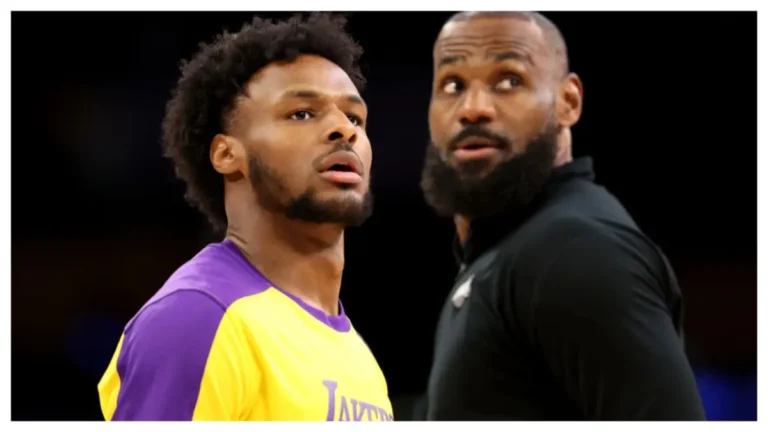
The Los Angeles Lakers have always been more than just a basketball team. They’re a symbol of sports excellence, a cultural icon, and a staple of Los Angeles celebrity life. So when news broke out that Josh Kushner, brother of Jared Kushner—yes, that Jared Kushner—helped purchase the team for a historic sum, it was another chapter in the ever-evolving story of this legendary franchise. But why would Josh Kushner, a man with roots deeply planted in a family synonymous with political drama, dive into the world of NBA ownership?
Let’s be real here. The move is nothing short of both shocking and strategic. On the surface, it seems like an odd pairing: the Kushner family’s strong ties to Donald Trump and a team that has been a longstanding emblem of Los Angeles diversity and Hollywood glamour. Yet, Josh is carving out his own path—one that sharply differentiates him from his politically entrenched family. Rather than follow in his brother’s footsteps, he’s aligning himself with an institution that places him squarely in the pop culture mainstream.
Owning the Lakers is not just a business transaction; it’s a power play. The NBA is a global brand, and the Lakers are one of its crown jewels. They’re a team that transcends sports into realms of entertainment and fashion, offering Kushner a dynamic platform to expand his influence. In a way, this move mirrors how artists like Common have effortlessly crossed over into multiple industries, leveraging their unique platforms to make cultural impacts beyond their original fields.
Josh Kushner’s purchase raises questions about what this could mean for the Lakers moving forward. Will the new ownership bring shifts that align with Kushner’s business acumen? It’s possible. But it’s also worth questioning how this ownership change will resonate with the fans, a community that includes a substantial number of Black and minority supporters. After all, the Lakers have historically been a symbol of diversity, with legends like Magic Johnson and Kobe Bryant embodying not just basketball excellence but cultural milestones.
Let’s not forget the role that sports play in community building, particularly within the Black community. The Lakers are more than just a team; they’ve been a beacon of hope and pride for millions. They’ll need to balance the corporate objectives that come with new ownership while maintaining the soul and essence of what makes the Lakers, well, the Lakers. It’s a delicate balance, not unlike what artists manage during a VERZUZ battle, where legacy and relevance must coexist to deliver something unforgettable.
As we look forward, the potential for new narratives around the Lakers is tantalizing. Will there be new partnerships, innovations, or collaborations that further cement their place as a cultural juggernaut? Or could this be an era of disconnect between management and the fanbase? Only time will tell, but one thing’s for sure: the ramifications of this purchase will ripple through the NBA, the business world, and cultural circles alike.
And with Josh Kushner making moves like this, we have to wonder what other surprises might emerge from his corner. Could we see more involvement from him in other entertainment or cultural ventures? The potential is vast, and it’s a story we’ll all be watching closely. This acquisition isn’t just about a basketball team; it’s about what happens when different worlds collide, and how those collisions can redefine a legacy.
In the meantime, fans of both the Lakers and the broader cultural tapestry will need to keep their eyes peeled to see how this storyline unfolds. Just like unexpected connections in politics and entertainment can generate buzz and controversy, Josh Kushner’s latest venture has set the stage for what could be a transformative era for the Los Angeles Lakers.
About The Author