By DeShawn Price, PowerVault Staff
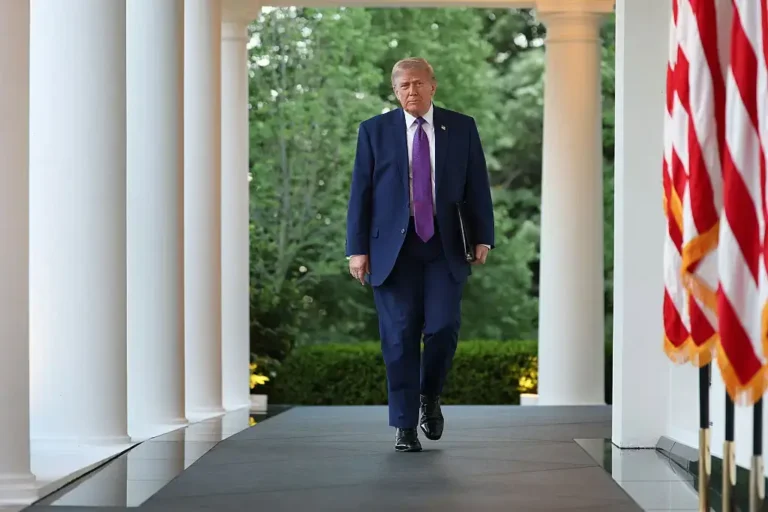
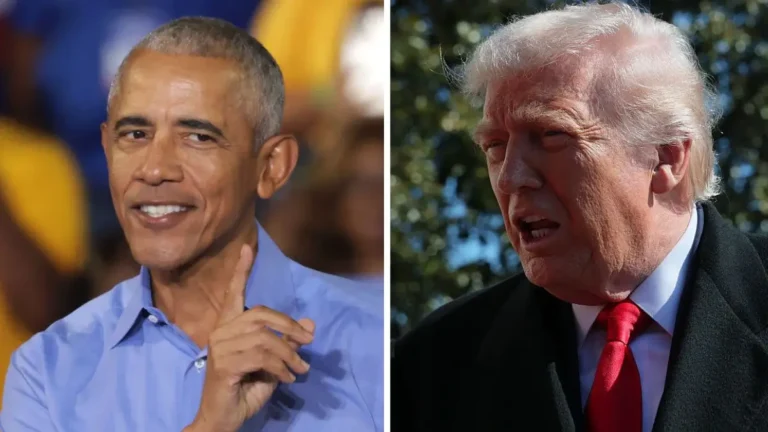
Picture this: A former president making a grand public appearance after a hiatus, eager to reclaim the spotlight, perhaps a bit too eager. In the world of politics and media where every move is under a microscope, even a small misstep can create waves. Imagine the scene as Donald Trump steps out in front of the cameras, inadvertently almost knocking down his wife Melania in his haste to be the first. It’s a moment that speaks volumes, not just about their relationship dynamics but about Trump’s continuing saga in the public eye.
For over a month, Melania Trump had been absent from the public scene, sparking speculations and rumors. Then she reappears, only to be nearly overshadowed, literally, by her husband’s assertive stride. This moment was caught on camera and has since taken on a life of its own online. It’s reminiscent of the kind of high-stakes drama we’ve come to expect in the world of reality TV, where every glance, gesture, and faux pas is fodder for endless analysis. In this case, the politics of appearance and public perception are at play in ways that are both fascinating and telling.
But why does this matter? As we navigate an era where public figures are under constant scrutiny, moments like these become emblematic of larger narratives. Trump’s need to be seen and heard first, to always be the center of attention, is something that we’ve witnessed in many forms throughout his career. His actions are often bold, sometimes brash, and occasionally controversial. In this incident, his behavior reflects not just personal dynamics but a broader commentary on his approach to leadership and public life.
Looking at the bigger picture, the incident also intersects with ongoing conversations about gender roles and power dynamics. It’s hard not to draw parallels with historical moments where public figures have similarly found themselves in the spotlight for reasons they’d rather not. Take, for instance, the ever-evolving portrayal of women in politics and media. The way Melania was almost literally sidelined in this moment can spark a discussion about the visibility, or lack thereof, of women associated with powerful men. This isn’t just about Melania; it’s a narrative that has played out across different arenas, from politics to the entertainment industry.
Speaking of media dynamics, one can’t help but think of how Black media pioneers like Cathy Hughes have worked tirelessly to reshape the narrative, ensuring that underrepresented voices are heard and seen. Cathy Hughes’ recent recognition with the Key to D.C. is a reminder of the importance of representation and narrative control in media. In a world where visuals and perceptions can heavily influence public opinion, who tells the story matters immensely.
Then there’s the notion of public appearances itself. We’ve seen similar spectacles play out in the world of hip-hop. Remember the Donell Jones vs Joe VERZUZ battle? It was a showdown that wasn’t just about music; it was about dominance, legacy, and public perception. The stage becomes a battleground, whether it’s for lyrical supremacy or merely a place in the limelight.
As we watch these narratives unfold, there’s an element of anticipation about what comes next. For Trump and Melania, their public journey continues to be as much about optics as it is about politics. How will they navigate future appearances? Will this moment be a mere blip or indicative of more to come? With Trump’s penchant for grabbing headlines, this won’t be the last we hear of such incidents.
In the grand scheme, the incident may seem trivial, but it’s a snapshot of the complexities of public life in our modern era. It’s a reminder of the delicate dance that public figures must perform, balancing image with intent, reality with perception. For those of us observing, it’s a testament to the ongoing narrative of power, presence, and the perpetual quest for influence. As the story continues to unfold, the culture will be watching, dissecting, and debating each step of the way.
About The Author