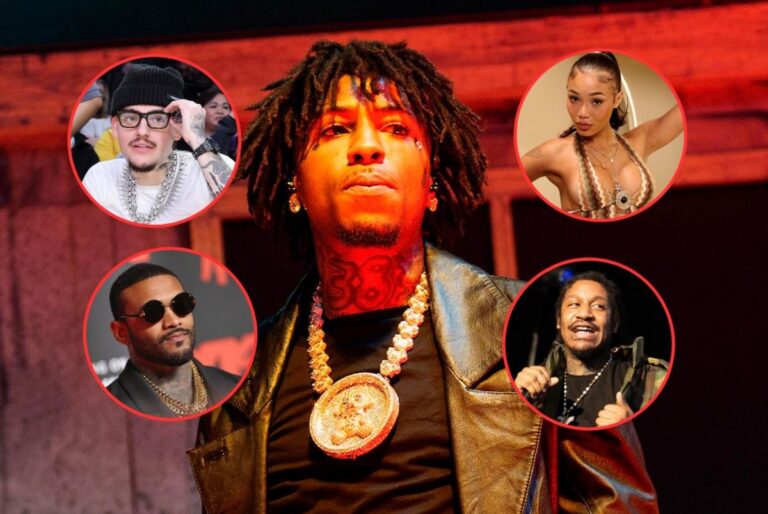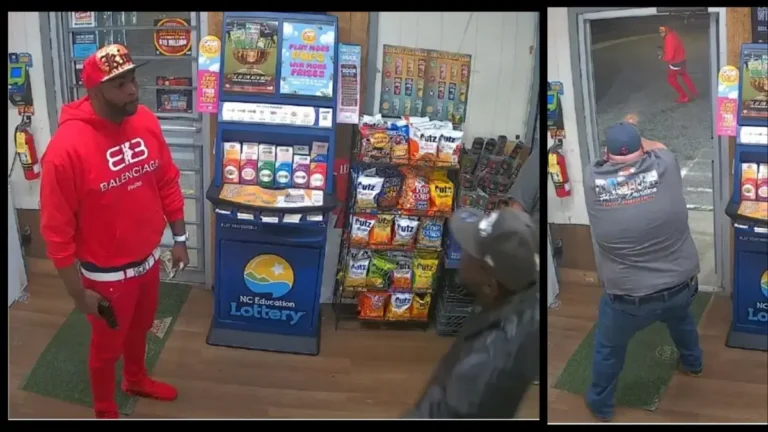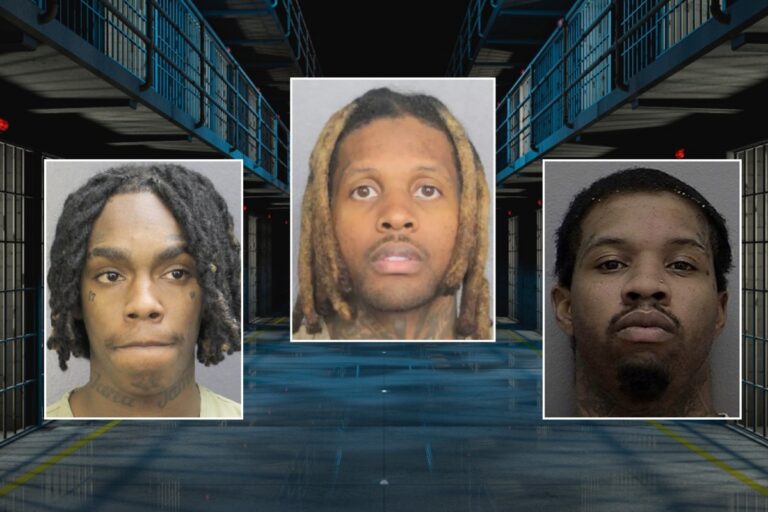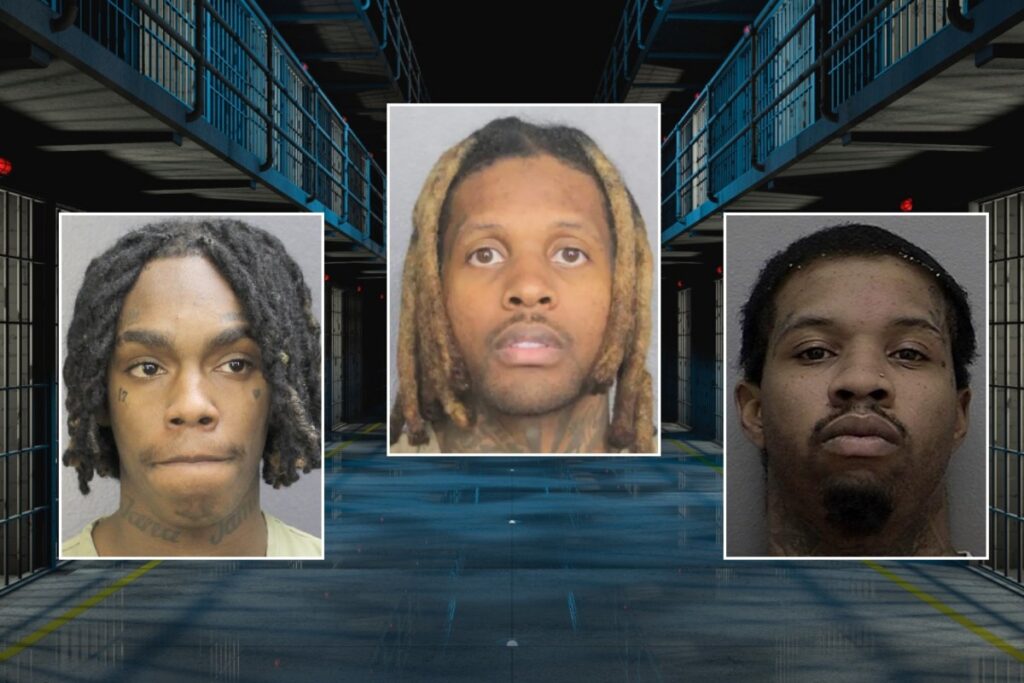
In recent years, the intersection of hip-hop and the criminal justice system has been more pronounced than ever. With 24 rappers currently incarcerated, the narratives woven into their careers often reveal a complex tapestry of struggles, triumphs, and systemic challenges. Artists who once captured our imaginations with their lyrical prowess are now facing the harsh realities of a system that has frequently targeted individuals from marginalized communities. From drug charges to gun possession and even more serious allegations, these situations serve as sobering reminders of the societal issues that persist in the backdrop of our culture.
Take, for example, the case of Young Thug, whose legal battles have not only hindered his musical output but also sparked conversations about the broader implications of being a celebrity in a system that often feels rigged. His situation underscores the pressures of fame, where every move is scrutinized, and past actions can come back to haunt. Similarly, artists like Bobby Shmurda and Kodak Black have found themselves grappling with lengthy sentences, often for offenses stemming from their attempts to navigate a world that has not always been kind to them.
As we reflect on these artists, it’s important to remember the narratives they’ve shared throughout their careers. Their music often touches on themes of resilience and survival, echoing the struggles many face in their communities. However, the law doesn’t always distinguish between art and reality, and for some, the lines become blurred. The culture of hip-hop, born from a desire to express and uplift, becomes a battleground where the stakes are all too real.
Moreover, the conversations around these incarceration stories are evolving. Increasingly, fans and advocates are calling for reform and discussing the wider implications of mass incarceration within the Black community. While these rappers are sidelined from the industry, their stories continue to resonate, prompting dialogue about justice, rehabilitation, and the need for systemic change. In a world that often vilifies rather than supports, the hope is that these artists will one day return, not just as entertainers, but as voices for change in their communities. As we keep an eye on their journeys, we are reminded that the true power of hip-hop lies in its ability to narrate the raw truth, even from behind bars.
From The Source
About The Author