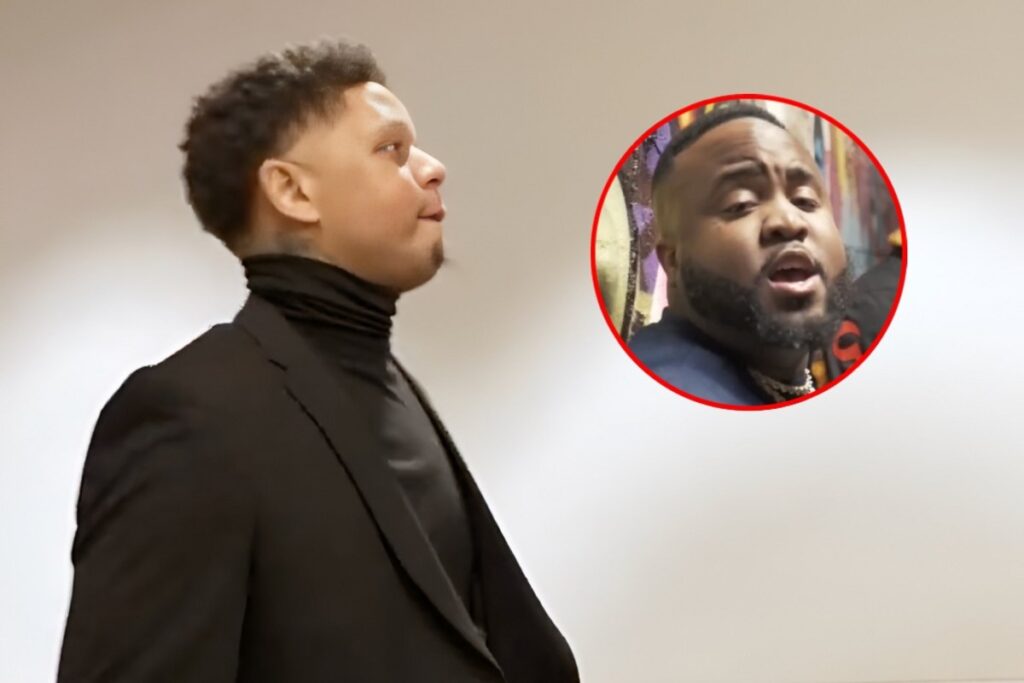
In a bold move that has captured the attention of the hip hop community, Yella Beezy’s legal team is challenging the use of rap lyrics as evidence in court. This case underscores a critical issue facing artists today: the fine line between creative expression and criminal implication. The argument posits that Yella Beezy’s lyrics, steeped in the realities of his upbringing, are a form of storytelling rather than a reflection of his actual actions. It’s a perspective that many artists and advocates are rallying behind, calling for a reevaluation of how the justice system interprets artistic expression.
Rap has always been a medium for artists to convey their experiences, struggles, and triumphs, often laced with metaphors and hyperbole. By using lyrics as a basis for legal proceedings, the court risks misinterpreting the intent behind these words, reducing complex narratives to mere fodder for prosecution. Yella Beezy’s case serves as a rallying cry for artists who fear that their creativity could be weaponized against them. It raises questions about freedom of speech in the music industry and whether rappers should live under the shadow of their own creations.
The legal implications of this issue extend beyond Yella Beezy, reaching into the very fabric of hip hop culture. As the genre continues to grow and evolve, it faces increasing scrutiny from law enforcement and legal entities eager to make connections between art and crime. By challenging this precedent, Yella Beezy’s attorneys are not just defending one artist; they are standing up for the rights of all creatives to express themselves without fear of retribution. The outcome of this case could shape the way courts view rap lyrics, potentially altering the landscape for future generations of artists.
As the debate rages on, one thing is clear: the intersection of hip hop and the law is a battleground for free expression. Yella Beezy’s fight is emblematic of a larger struggle within the music industry, where the stakes are high and the implications could redefine how we understand art and its place in society. The world is watching—and the outcome of this case could set a precedent that resonates far beyond the courtroom.
About The Author