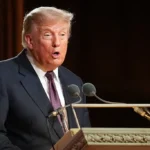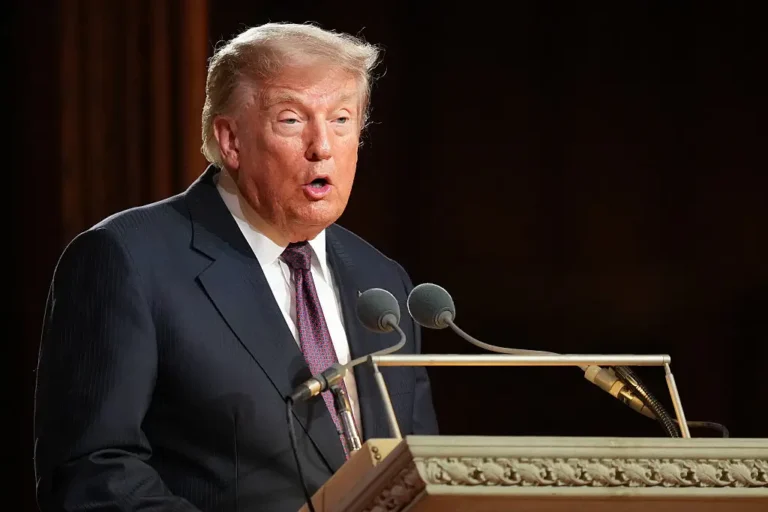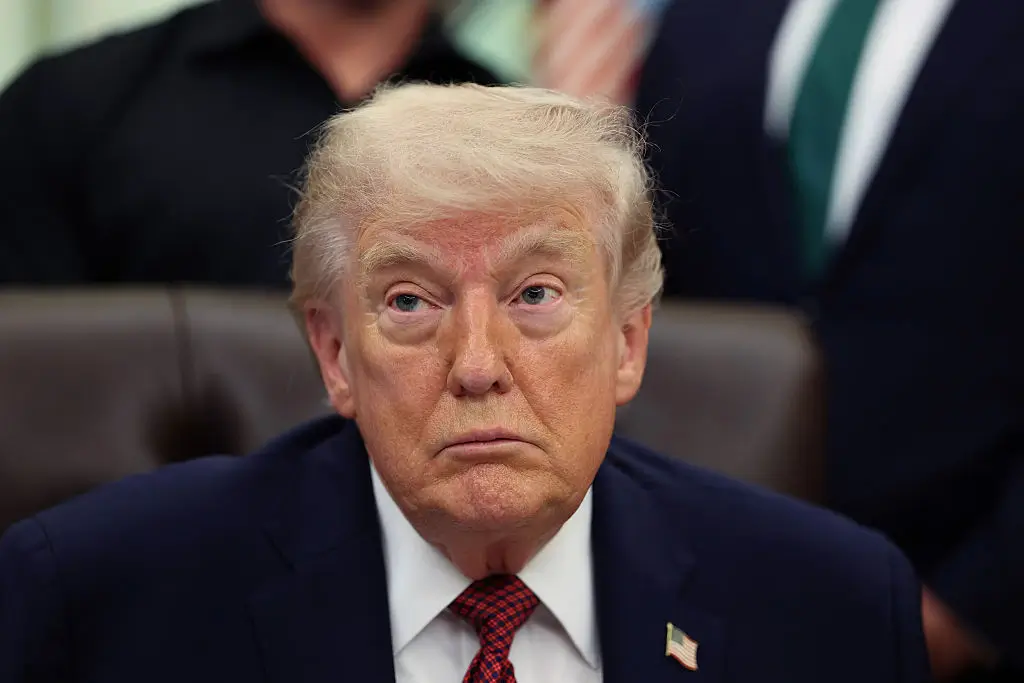
In a recent press conference, President Donald Trump’s ire was directed towards a Black female reporter who dared to challenge him on his administration’s policies regarding the ongoing tensions with Iran. As the reporter pressed for clarity and accountability, Trump responded with a dismissive insult, labeling her a ‘disgrace.’ This moment, captured on live television, was not just a fleeting exchange; it echoed a larger narrative that has become all too familiar in the landscape of American politics, particularly for journalists of color who are often subjected to disparaging treatment.
As the cameras rolled, the uncomfortable tension in the room was palpable. Viewers across the nation saw this interaction as symptomatic of a disturbing pattern: Black voices in media facing hostility for simply doing their job — holding power accountable. Trump’s reaction, characterized by his signature bravado, seemed to aim more at demeaning the journalist than addressing the serious issues at hand. It was a stark reminder of how marginalized communities often grapple with the dual challenge of navigating systemic barriers while fighting for their rightful place in the narrative.
This confrontation is more than just a typical spat between a politician and the press; it speaks volumes about how authority figures often react when confronted with uncomfortable truths. The reporter’s quest for answers reflects a broader struggle within journalism, particularly for women of color who continue to pave the way in a field where their presence has historically been minimized. This incident underscores the critical importance of representation in media, especially in times of crisis when accountability is paramount.
Moreover, Trump’s insult reverberates in the context of a broader cultural discourse that questions the power dynamics at play, particularly regarding race. The fearlessness exhibited by the reporter in the face of aggression serves as an inspiration for aspiring journalists and advocates alike. It’s a clarion call for all of us to support those who seek to illuminate the truth, regardless of the barriers they face.
As we reflect on this exchange, we must recognize the importance of fostering an environment where tough questions can be asked without fear of backlash. The media’s role as the watchdog of democracy is crucial, and as consumers of news, we must remain vigilant in supporting those who challenge the status quo. This incident is merely a snapshot of the ongoing struggle for equity and respect in both journalism and the political arena.
About The Author