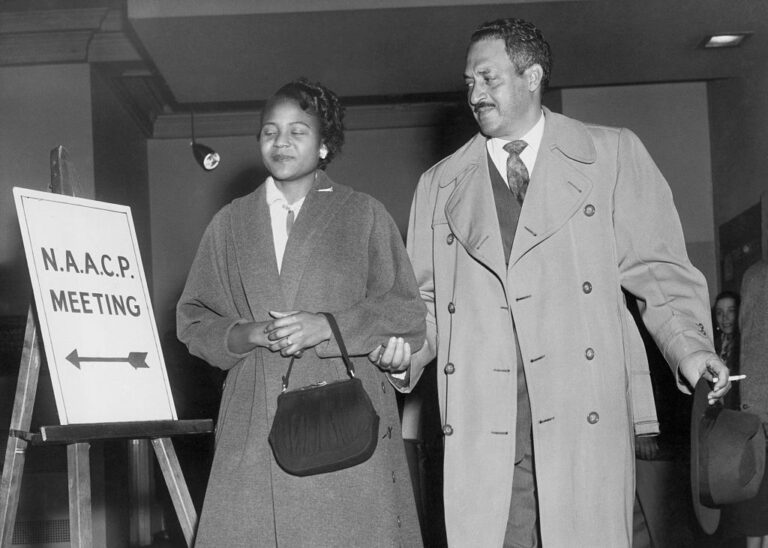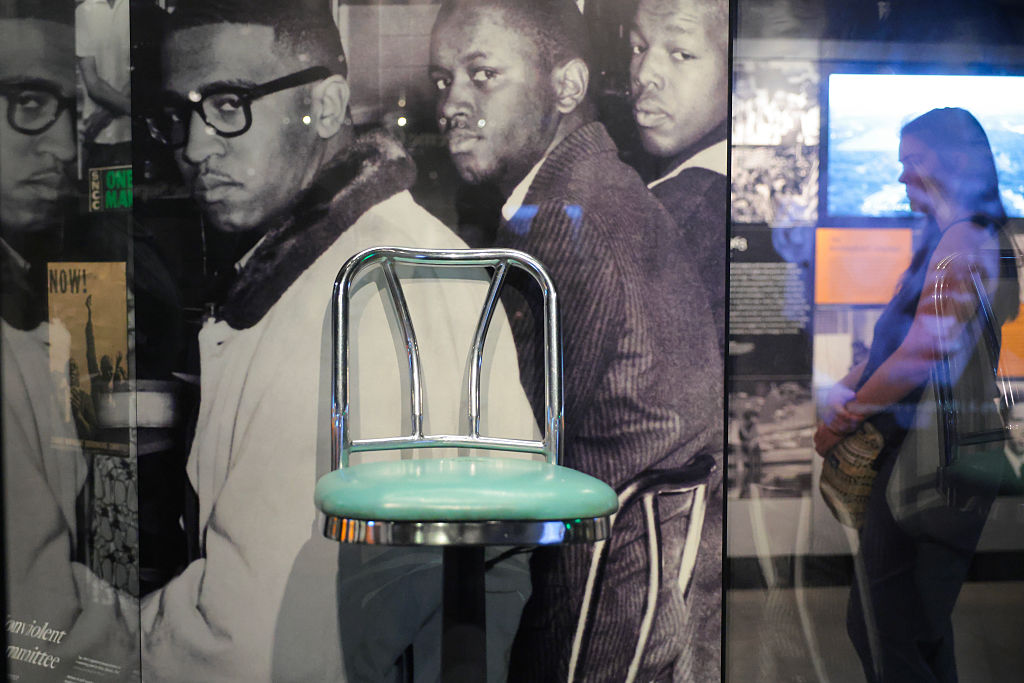
From the Civil Rights Movement to the fight against apartheid in South Africa, college students have been at the forefront of significant social change. These young activists, driven by a passion for justice and equality, have frequently mobilized their peers and communities to challenge oppressive systems. One of the most iconic examples is the 1964 Free Speech Movement at the University of California, Berkeley, which not only ignited a wave of campus activism across the United States but also set the stage for future movements focused on civil rights, anti-war sentiments, and more.
In more recent history, the 2015 protests at the University of Missouri against racial injustice highlight the continuing relevance of student activism in addressing social issues. Students took to the streets, demanding systemic changes in the wake of incidents of racism on campus, demonstrating the power of youth voices in shaping narratives and challenging conventional wisdom. Similar protests erupted at Yale and other institutions, reminding us that the fight for equality and justice evolves but never truly ends.
Globally, student-led movements have also played a pivotal role in political change. The anti-apartheid protests in South Africa that began in the 1970s saw students taking a stand against institutional racism, risking their lives in the pursuit of freedom and equality. Their courage inspired generations and ultimately contributed to the dismantling of apartheid, proving that the stakes of student activism extend far beyond campus walls.
As we reflect on these historical moments, it becomes clear that student-led protests are not just a series of isolated events. They represent an ongoing struggle for justice that transcends time and geography. Today, as young people face new challenges, from climate change to systemic racism, the legacy of past protests continues to inspire and inform their actions. The voice of the youth remains one of the most powerful catalysts for change, reminding us that the fight for justice is a marathon, not a sprint, and that the future is always in the hands of the next generation.
From The Source
About The Author