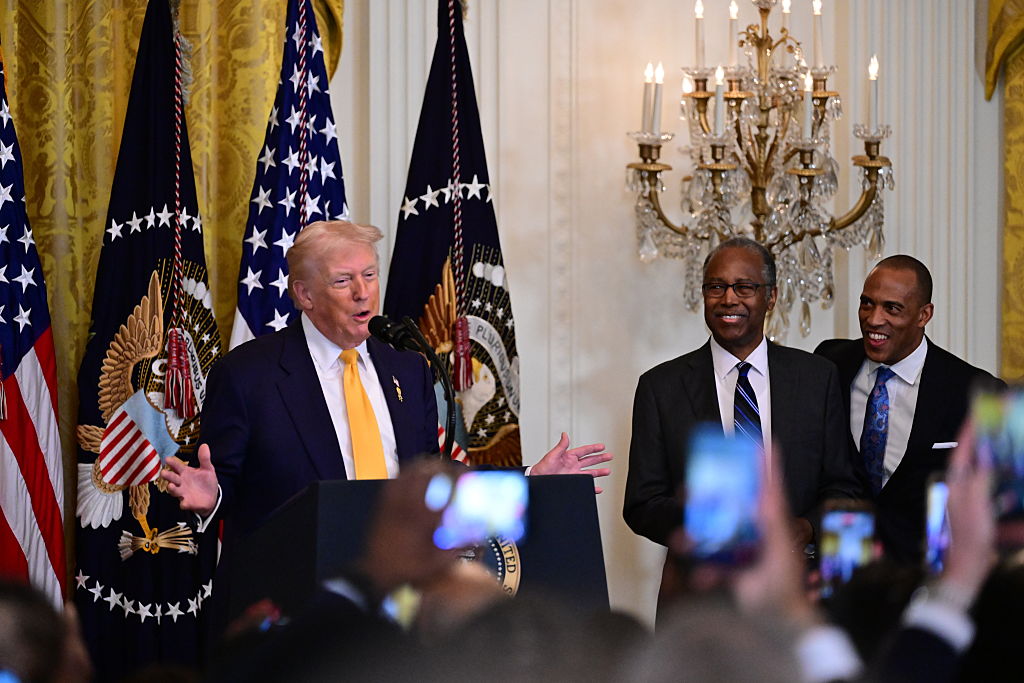
WASHINGTON, UNITED STATES - FEBRUARY 18: United States President Donald J. Trump delivers remarks during a Black History Month Reception at the White House in Washington, United States, on February 18, 2026. (Photo by Kyle Mazza/Anadolu via Getty Images)
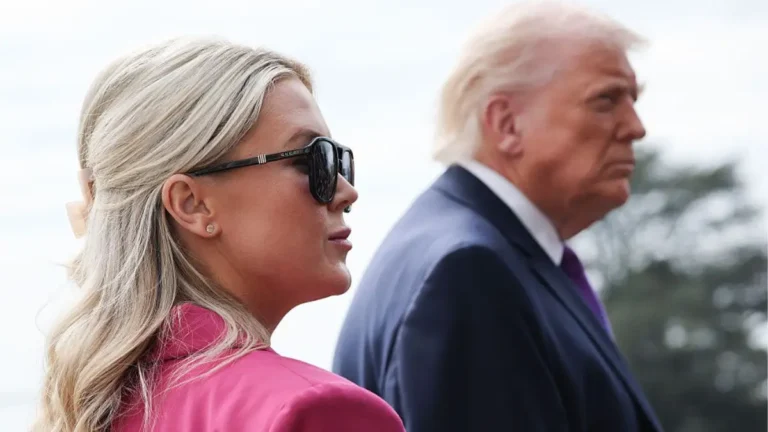
As we navigate through Black History Month 2026, it feels like we’re collectively holding our breath, waiting for the exhale that simply hasn’t come. This year has served up a heaping portion of contradictions and disappointments, reminding us that while we celebrate our rich heritage, we also face the daily grind of societal ignorance and hostility. Just look at the language echoing from the highest office in the land; former President Trump’s recent comments have been a stark reminder that blatant racism remains a potent force in American politics, a reality check that feels like a slap in the face during what should be a time of reflection and pride.
Amid the political chaos, the erasure of prominent Black figures continues to cast a shadow over our celebrations. Take the recent sidelining of a beloved Black figure skater who shattered barriers and expectations with her groundbreaking performances. Instead of honoring her contributions, discussions of her legacy have been overshadowed by the more palatable narratives that prioritize a whitewashed version of sports history. This pattern of selective memory is not just an affront to the individual it dismisses; it’s an erasure of the cultural fabric that Black athletes have woven into the sports world over decades, if not centuries.
In a time when visibility matters more than ever, it feels almost ironic to see powerful stories of Black excellence being muted, while the same tired stereotypes and misconceptions resurface. This Black History Month, it’s crucial that we demand a reckoning—not just with the past, but with how we honor the present and future of Black culture. Our stories are complex and rich, and they deserve a platform that reflects the depth of our experiences beyond just the shortest month of the year.
As we look toward the future, let’s make it a collective goal to amplify Black voices, to challenge narratives that seek to diminish our impact, and to insist that history—which is still being written today—includes the fullness of who we are. The ancestors want a refund not just on Black History Month, but on how our stories are shared and celebrated. We owe it to them, and to ourselves, to reclaim the narrative and ensure that our legacy is acknowledged, respected, and honored in all its vibrancy and complexity.
From The Source
About The Author