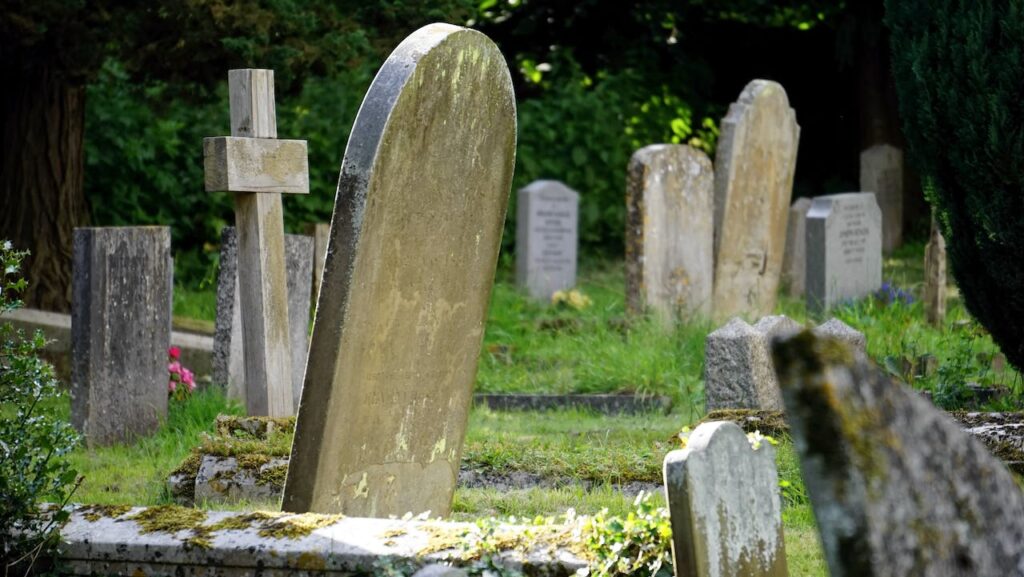
In a historic move that has long been overdue, the New York City Black Burial Ground, which honors the legacy of Frederick Douglass and commemorates the lives of Black individuals who were enslaved and buried in the area, has officially received landmark status. This significant designation is more than just a recognition of the site’s historical importance; it also serves as a powerful reminder of the resilience and contributions of the African American community, particularly in a city where their history often remains unacknowledged. The burial ground, located on Staten Island, has become a poignant symbol of the struggle for justice and recognition that continues to resonate today.
Frederick Douglass, one of the most influential figures in the fight against slavery, is celebrated not only for his eloquent speeches and writings but also for his tireless work in advocating for the rights of Black Americans. The cemetery, which has been a resting place for many who suffered under the yoke of slavery, now stands as a testament to their existence and legacy, ensuring that their stories are not lost to time. The landmark designation is part of a broader movement to reclaim and honor the narratives of those who have been marginalized in American history, putting a spotlight on the importance of preserving such vital cultural sites.
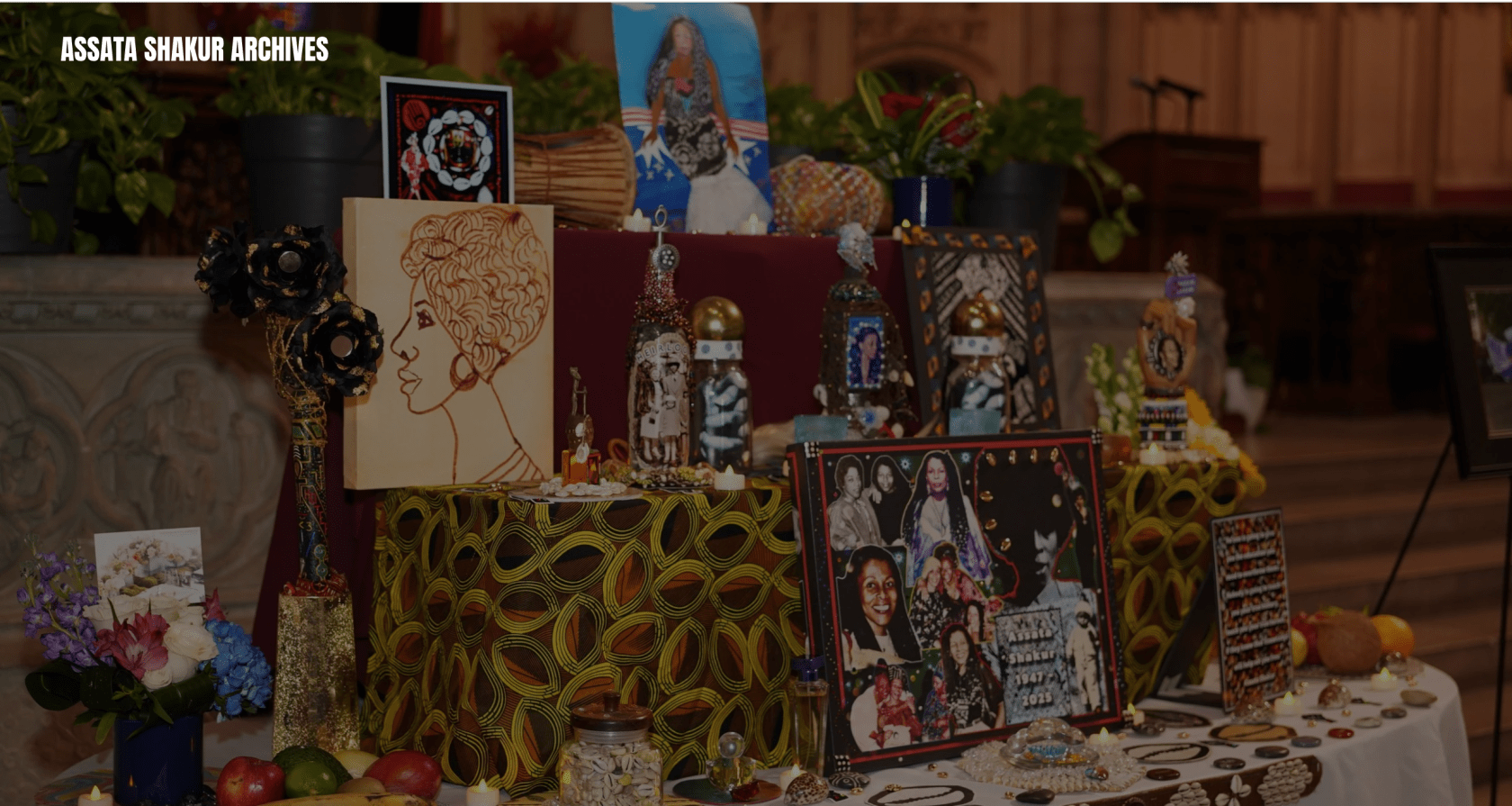
The Black Burial Ground is also making strides into the digital age with its online archive that documents the lives of the individuals laid to rest there. This digital resource not only serves as a repository of history but also invites the public to engage deeply with the past. In an era where technology plays a crucial role in education and outreach, the cemetery’s efforts to maintain a digital archive are commendable, offering access to those who may not be able to visit in person and creating a platform for further exploration and understanding of African American history.
As we move forward, the Black Burial Ground stands as a reminder of the importance of acknowledging our collective past. It prompts us to reflect on the ongoing challenges faced by the Black community, while also celebrating the triumphs that stem from their indomitable spirit. The landmarking of this site is not just a victory for those who have been buried there; it is a victory for every individual who recognizes the vital role that history plays in shaping our present and future. By honoring these spaces, we ensure that the contributions of Black Americans are remembered and respected, paving the way for meaningful dialogue and change in our society today.
From The Source
About The Author