By Tanya Brooks, PowerVault Staff
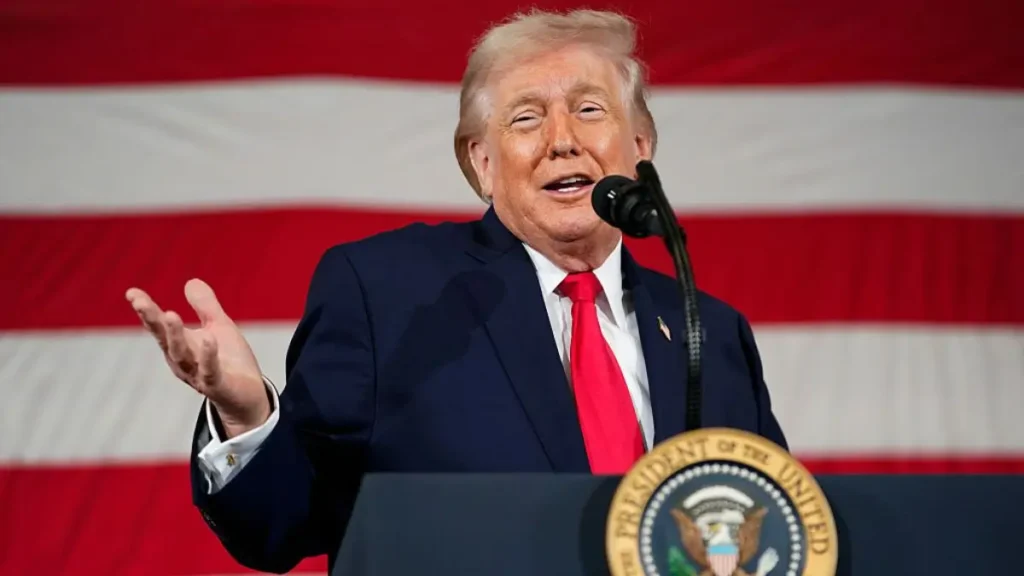
In a moment that couldn’t be more telling, Illinois Governor JB Pritzker recently took to CNN to weigh in on former President Donald Trump’s erratic behavior, suggesting that the man might be dealing with some serious mental health issues. It’s a sentiment that reflects not just a political rivalry but also a broader societal concern about the state of mental health in leadership and the implications it has for our nation. With Pritzker’s comments echoing in the halls of Washington, the underlying question remains: is this just political posturing, or are we witnessing the unraveling of a political figure who has dominated headlines for years?
The feud between Trump and Pritzker stretches back to Trump’s presidency, characterized by mutual disdain and war-of-words that often veered into personal insults. Pritzker, a billionaire and a Democrat, has been vocal in his opposition to Trump’s policies, especially those affecting his home state of Illinois. But what Pritzker said on CNN transcends mere political rivalry; it taps into a deeper narrative around the stability and wellness of those in positions of power. Given that mental health discussions have often been stigmatized, particularly in communities of color, the onus is on us to reassess how we discuss and address these issues in our leaders and ourselves.
From a cultural standpoint, it’s essential to highlight how discussions like this resonate within the Black community, where mental health has historically been neglected. Pritzker’s remarks open the door to a larger conversation about emotional wellness, especially among leaders who wield significant influence over policy and community welfare. The question becomes not just about Trump’s mental state, but about how our perceptions of leadership and wellness intersect. In a culture that often elevates strength over vulnerability, acknowledging these issues is a radical act of honesty.
If we look back at similar moments in history, we can draw parallels to the way we’ve treated past leaders—be it Richard Nixon during Watergate or George W. Bush’s gaffes and perceived mental lapses during his presidency. Each instance sparked debates on the mental acuity of leaders at critical junctures in American history. Similarly, we must ask ourselves: what does it mean for a leader to show signs of distress, and how does that affect their ability to govern? The stakes are even higher today, as the political landscape continues to polarize.
As we move forward, the impact of this dialogue will ripple through the 2024 elections and beyond. With mental health becoming a more prominent topic in public discourse—especially among younger voters who prioritize wellness—this could shape how future leaders are scrutinized. Will politicians learn to address mental health openly, or will they continue to obfuscate it behind political theater? Ultimately, this moment challenges us to reflect on the qualities we value in our leaders and the kind of conversations we’re willing to have about mental health, both in politics and our everyday lives.
About The Author