By Andre Coleman, PowerVault Staff
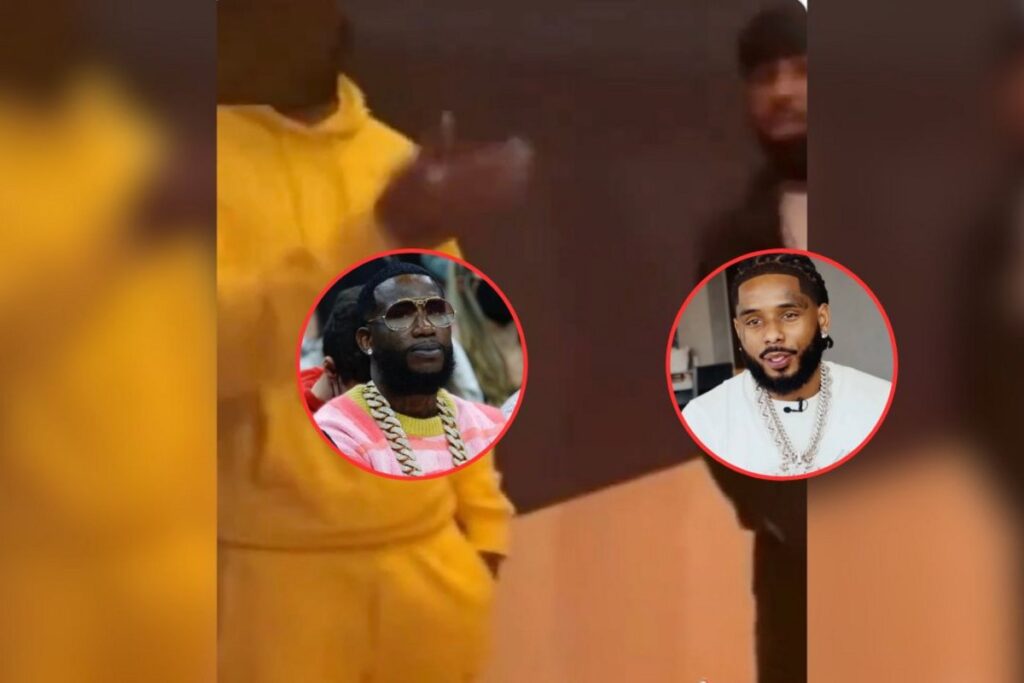
In a recent turn of events that has sent shockwaves through the hip-hop community, Gucci Mane has reportedly been forced to part ways with his artist Pooh Shiesty. A video depicting the fallout surfaced online, showing Gucci’s frustration and disappointment as he navigates the treacherous waters of the industry. This marks yet another chapter in a story that highlights the often harsh realities of loyalty, accountability, and the consequences of choices made within our culture.
To understand why this split has garnered so much attention, we need to take a step back. Pooh Shiesty—an artist who burst onto the scene with his raw talent and connection to Memphis’s vibrant rap scene—was branded as Gucci’s protégé. The success of tracks like “Back in Blood” had positioned him as a rising star in the realm of Southern rap. However, lurking beneath the surface was a reality that many artists face: the haunting specter of legal troubles and the demands of street credibility often clash with the expectations of a mainstream recording career. Shiesty’s ongoing legal issues have led to questions about his viability as an artist under Gucci’s label, 1017 Records, ultimately forcing Gucci’s hand.
PowerVault Network sees this moment as not just a business decision but as a significant cultural commentary on the price of loyalty in hip-hop. Gucci Mane, a figure who has faced his share of legal battles and personal demons, understands the stakes involved. For him, the decision seems to reflect a broader narrative within our community—one that grapples with the balance between holding onto street ties and embracing the opportunities that mainstream success brings. In a genre that often glorifies street credibility and loyalty, this split shines a light on the difficult choices artists must make when those values come into conflict with their careers.
Looking back, this situation evokes memories of high-profile breakups in hip-hop history, like the fallout between Birdman and Lil Wayne during the Cash Money era. Both parties had a deep-rooted relationship, but financial disputes and legal battles drove a wedge between them. What we see in each example is the tension between personal ties and professional growth. Hip-hop is rife with stories of loyalty leading to blind loyalty—sometimes, it can become a liability rather than an asset. Artists must navigate these relationships carefully, and the consequences can ripple through the entire industry.
As we look to the future, it’s vital for artists and fans alike to understand the implications of Gucci’s difficult decision. The road ahead for Pooh Shiesty remains uncertain, but his story serves as a cautionary tale for up-and-coming artists: the streets and the industry are not always aligned. This split may very well signal a shift in how artists approach their careers, especially when it comes to maintaining their authenticity while pursuing success. As we continue to witness the dynamics of loyalty and ambition in hip-hop, let’s pay attention to how this saga unfolds and what it may teach us about the delicate balance between staying true to oneself and evolving within the industry.
About The Author