By Renee Fontaine, PowerVault Staff
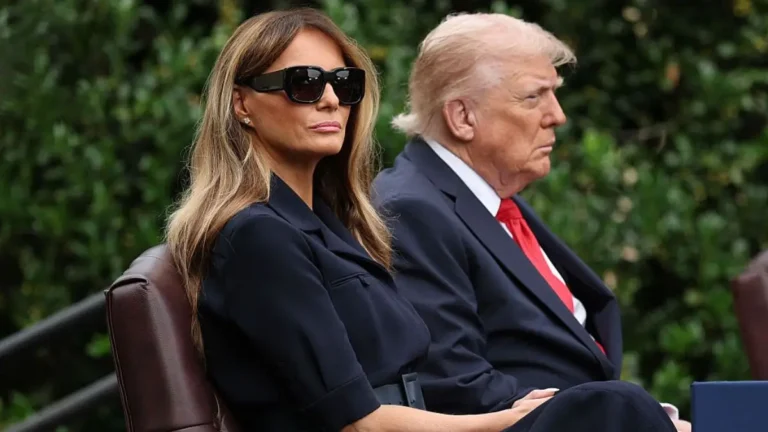
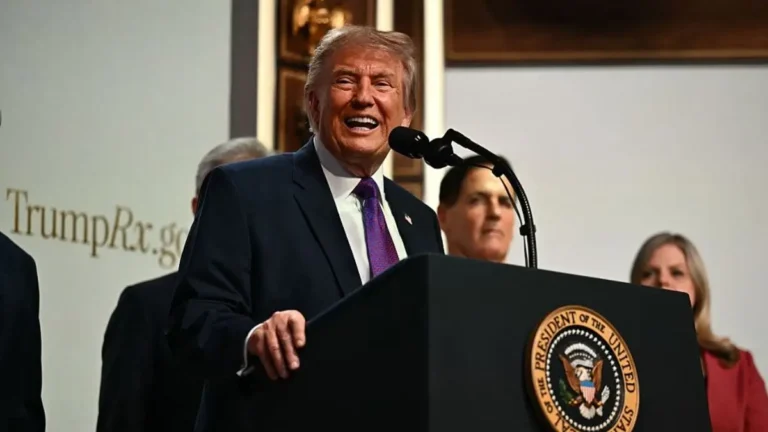
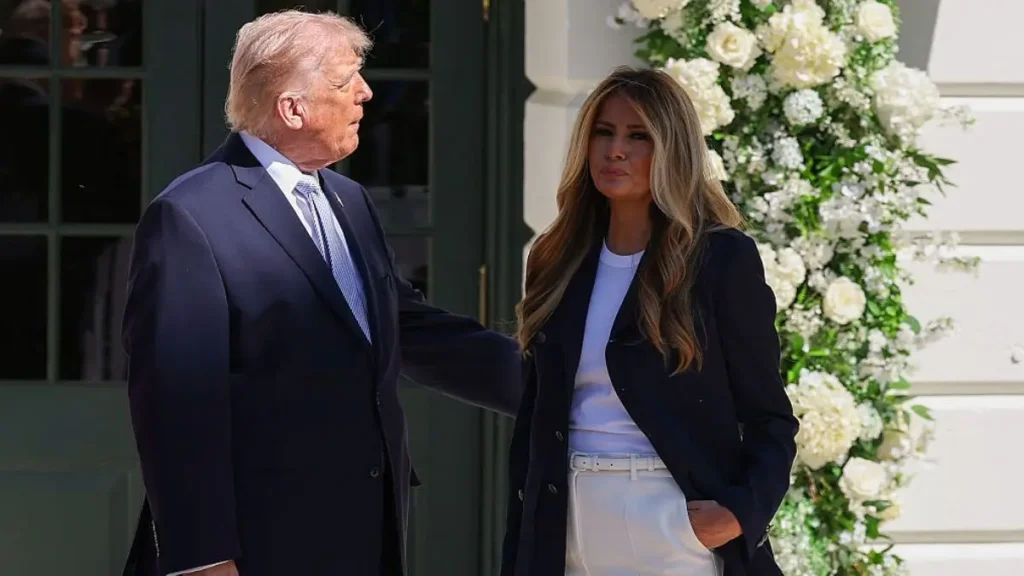
In a recent summit that turned more into a circus than a meaningful dialogue, a world leader reportedly praised Donald Trump, only to slide in a cheeky jab about Melania that sailed right over the former president’s head. The incident highlights the bizarre reality of global politics, where a supposed ally can turn a diplomatic moment into a spectacle, and in doing so, reveal the deeper currents of international perception regarding American leadership. It begs the question: does the world take Trump seriously, or are they just playing along with the show?
To understand the backdrop of this unfolding drama, we must remember that Trump’s presidency was characterized by a unique blend of bravado and volatility. From trade wars to Twitter rants, his approach to diplomacy was anything but traditional. While some leaders have embraced him as a bull in a china shop—ecstatic to shake up the status quo—others have taken a more cynical view, recognizing that Trump’s unpredictability can also be a double-edged sword. This moment at the summit seems to be a testament to that duality: a world leader recognizing Trump’s charm yet unable to resist the urge to poke fun at his personal life. It’s a reflection of a broader skepticism, a reminder that not everyone is buying what he’s selling.
For our community, this incident is more than just a footnote in the annals of political theater. It’s a reminder of how leadership is perceived through different lenses, particularly within the Black community and other marginalized groups. Trump’s term was marred with racial tensions, policies that often seemed dismissive of our struggles, and rhetoric that could spark outright division. The fact that world leaders can joke about him—even in a way that might seem to trivialize his presidency—speaks volumes about how they think the American leadership is viewed in global spaces. It’s a stark contrast to the respect and weight expected from a nation’s leader, especially from a country that often positions itself as a moral authority on the world stage.
Comparisons can be drawn to moments in history where leaders have been lampooned, like the infamous roast of George W. Bush at the White House Correspondents’ Dinner. But while Bush endured jabs with a sense of self-deprecation, Trump often seems to revel in the absurdity, missing the deeper implications of how the world perceives him. This stinging Melania comment is a microcosm of that dynamic. The laughter that resonated in that room wasn’t just about jest; it was infused with the understanding that Trump’s presidency is, at best, a spectacle to many. It reflects a deeper sentiment where leaders are unsure whether to fear him or laugh at him.
As we look ahead, the real question is what this means for future political discourse. With global events shifting rapidly and the world grappling with issues like climate change and economic disparities, will the U.S. continue to be seen as a serious player? Or will we descend further into the realm of performance over substance? What we witnessed at that summit is not just a highlight reel of political awkwardness; it’s a stark reminder for us to hold our leaders accountable, to demand seriousness and depth in addressing issues that affect our communities. The next election cycle looms, and with it, the chance to redefine our leadership narrative. Let’s ensure we’re not just spectators to the show, but active participants in crafting a future that reflects our values and aspirations.
About The Author