By Marcus Ellison, PowerVault Staff
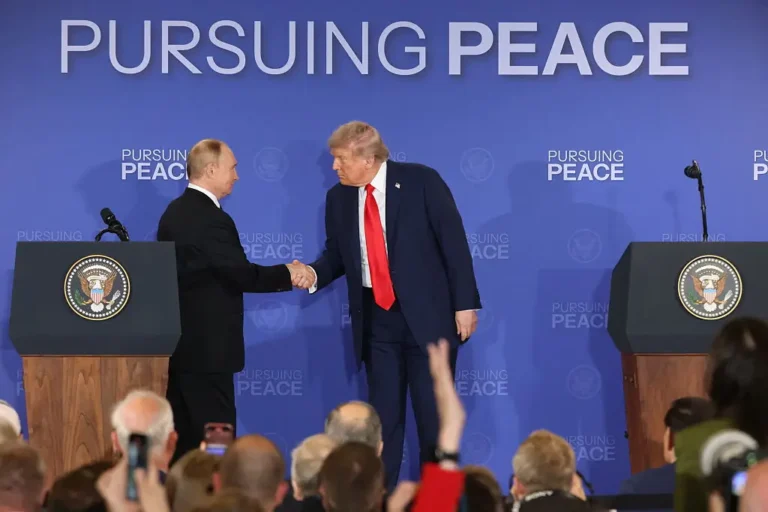
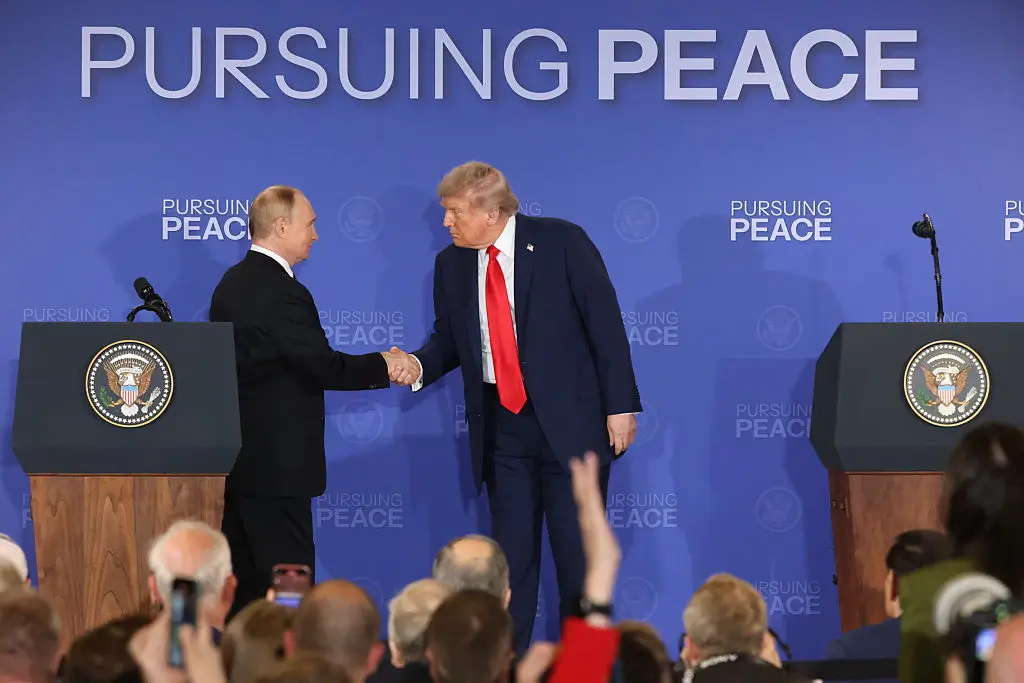
In a move that has raised eyebrows and sparked conversations across media landscapes, former President Donald Trump recently showcased a bizarre security protocol during his NATO trip in Turkey, reminiscent of tactics employed by authoritarian leaders like Vladimir Putin. This peculiar behavior, dripping with paranoia, has prompted many to wonder what Trump might be hiding or, more troublingly, what it signifies about his leadership style and beliefs about power. Such actions reinforce a troubling trend: the normalization of dictatorial tactics in American politics.
To fully grasp the implications of Trump’s actions, we need to rewind a bit. Since he took office, there has been a palpable shift in the political landscape, where traditional democratic norms are increasingly being brushed aside in favor of a more autocratic approach. Trump’s presidency blurred the lines between democracy and dictatorship, and his latest escapade during the NATO summit only serves to deepen the mistrust and fear regarding how he views relationships with other world leaders. When a former president channels the methods of a dictator, it’s not just a personal quirk—it’s a signal that the very fabric of our democratic institutions is under threat.
For the culture, this moment is a stark reminder of the ways in which power can warp reality and manipulate narratives. In a nation built on the ideals of freedom and liberty, we are seeing someone who, rather than embodying those values, leans into fear and control. This sentiment echoes loudly within the Black community, where our historical struggles against oppression have taught us that when power is wielded without accountability, it can lead to devastating consequences. Amid the backdrop of systemic inequality, we must confront the unsettling truth that actions like Trump’s are not merely political stunts; they are warnings of a deeper malaise in how leadership is perceived and practiced.
This isn’t the first time we’ve witnessed leaders adopting dictatorial tendencies. The rise of right-wing populism across the globe has seen many figures employ similar tactics to consolidate power and create an atmosphere of fear. From Brazil’s Jair Bolsonaro to Hungary’s Viktor Orbán, the recurring theme is a playbook that seeks to undermine democratic institutions and prioritize personal loyalty over the public good. The alarming reality is that when these tactics are used in the U.S., they don’t just signal a deviation from democratic norms; they pose a direct challenge to the values that define the nation. It’s a stark reminder that the fight for democracy is ongoing, and there are those willing to exploit its weaknesses.
Looking ahead, it’s crucial to remain vigilant. As the political landscape continues to shift, the actions of former leaders have the potential to influence the aspirations of future politicians. The question we must ask ourselves is: what kind of leadership do we want for our future? The alarming echoes of authoritarianism cannot be ignored. It’s time for us to demand accountability and transparency from our leaders, ensuring that democratic values are preserved, not just for ourselves but for future generations. As we navigate through these turbulent waters, the culture must reclaim its voice, ensuring that the narrative around power remains firmly rooted in justice, equity, and the collective good.
About The Author