By Marcus Ellison, PowerVault Staff
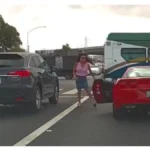
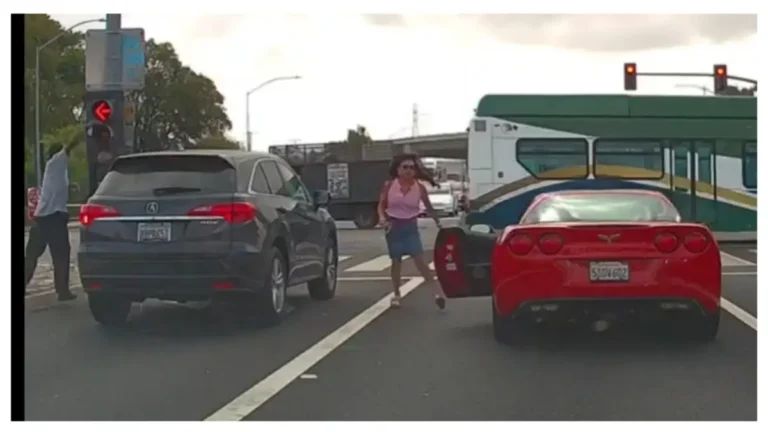
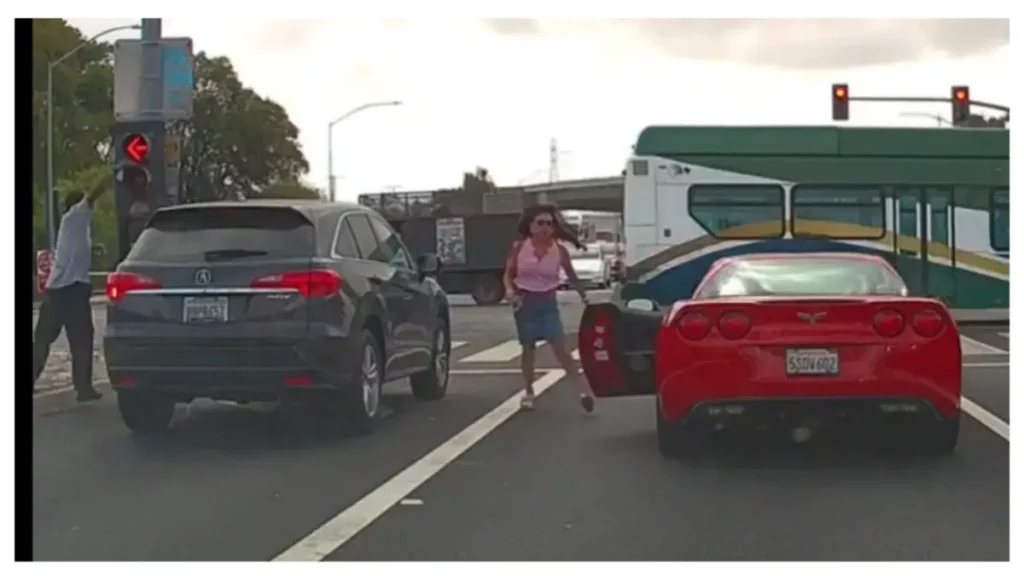
In an audacious display of road rage, a woman in Los Angeles made headlines when she jumped out of her Corvette during a heated confrontation at a stoplight. Captured in wild footage that quickly made its rounds on social media, this shocking incident has sparked discussions not just about driving etiquette, but about the deeper cultural currents that fuel such reckless behavior.
To understand the roots of this kind of public display, we have to consider the climate in which we live today. In a world where tensions are high—be it from political strife, economic uncertainty, or the lingering impacts of the pandemic—people seem to be operating on a shorter fuse than ever. Road rage is merely a manifestation of this baseline anger and frustration. For many, the car has become a second home, a personal bubble where one feels empowered to express themselves, often violently, in response to perceived slights. Throw in the allure of luxury vehicles like a Corvette, which can symbolize status and power, and it creates a combustible mix of ego and aggression.
At PowerVault Network, we recognize that this isn’t just about one woman’s actions; it reflects a larger cultural narrative. The intersection of Black culture and car culture is rich and complex, often steeped in themes of freedom, independence, and rebellion. But when these values turn into recklessness, it raises alarms. This incident underscores a troubling trend where the celebration of individuality morphs into a dangerous disregard for communal safety. We can’t ignore the implications—especially when incidents like this become the sensational stories that dominate media coverage and reinforce negative stereotypes about Black communities.
When we look back at similar moments in our cultural history, we can draw parallels to the rise of viral fights in public spaces, often fueled by social media attention. The spectacle of violence has a way of captivating audiences, but it’s worth questioning what we’re really glorifying. Is it bravery, or is it a lack of self-control exacerbated by the constant need for validation in a digital age? The road rage incident illuminates how the public’s appetite for drama can sometimes overshadow the very real consequences of these actions, both for individuals and for our broader communities.
As we move forward, we need to keep an eye on how these incidents evolve and the narratives they create. Will we see more people stepping out of their cars in anger, and how will media portrayals impact perceptions of safety on our roads? Perhaps more importantly, how can we cultivate a culture that prioritizes accountability over spectacle? This recent incident is a wake-up call, not just for individuals behind the wheel but for all of us to engage in honest conversations about anger, representation, and the choices we make in the spotlight.
About The Author