By Simone Walker, PowerVault Staff
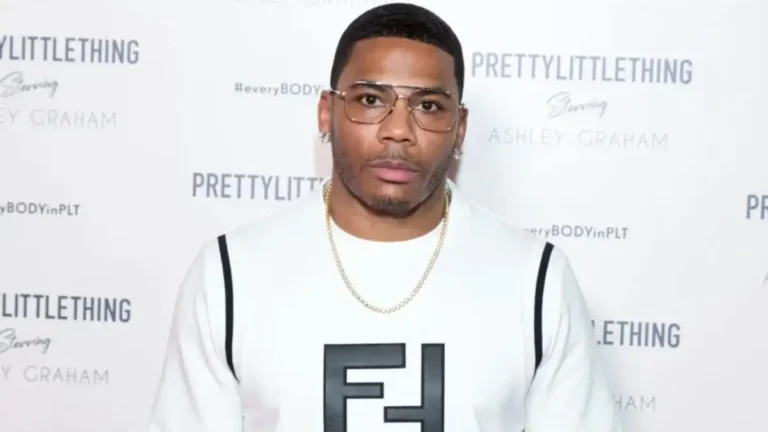
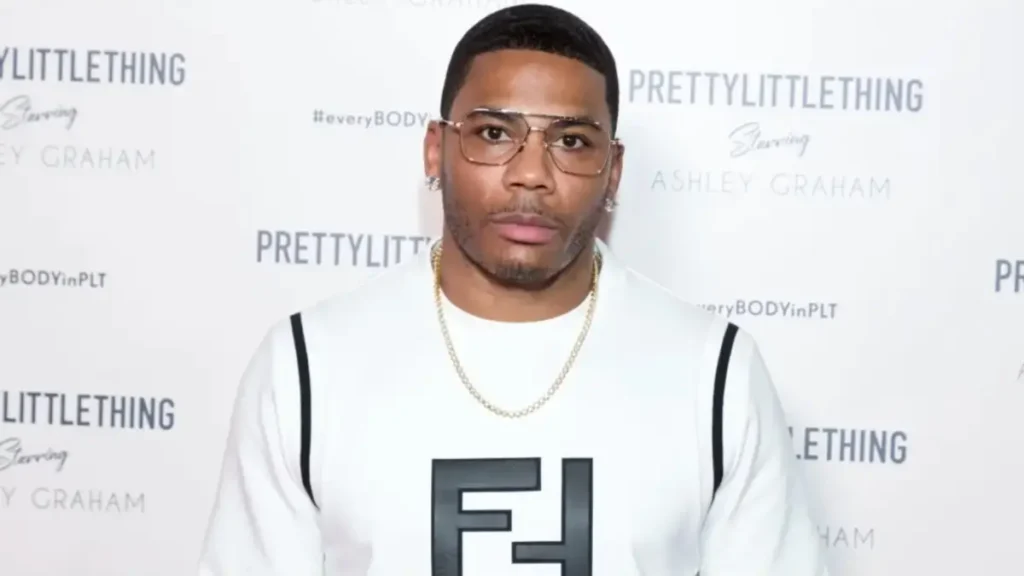
Recently, St. Louis native Nelly threw his voice into the buzzing debate over who truly deserves credit for catapulting Air Force 1s into the global sneaker zeitgeist. While a critic pointed to Jay-Z’s lyrical shoutout as the pivotal moment, Nelly was quick to remind everyone that he was the one who put the iconic kicks in the spotlight with his classic track, ‘Air Force Ones.’ It’s more than just a matter of who gets the credit; it dives deep into the intertwined narratives of hip-hop, fashion, and cultural influence.
For those who might not remember, Air Force 1s were originally released by Nike in 1982, but their ascent into footwear superstardom didn’t really happen until hip-hop embraced them in the late ’90s and early 2000s. With Nelly’s infectious anthem, he immortalized the sneaker in a way that spoke not just to style, but to the very essence of Black culture. It wasn’t a mere endorsement; it was a celebration of identity, community, and a lifestyle that transcended fashion.
Nelly’s reminder about his own role in this story is more than just a defense of his musical legacy; it’s a nod to the broader conversation about ownership in the industry. Hip-hop is notorious for its gatekeeping and the erasure of artists’ contributions. When we talk about cultural moments, we must acknowledge the many hands that craft them. Just like the narrative around the Air Force 1s, the history of hip-hop itself is a tapestry woven by countless artists, each adding their unique thread. By sidelining contributions from artists like Nelly, we risk not only distorting history but also minimizing the collective effort that propels the culture forward.
This debate echoes the age-old discussions around who started what in the realm of hip-hop fashion. We saw similar arguments during the rise of streetwear brands where a few names would overshadow the broader, grassroots movements that exist within the community. The difference now is that in a digital age, voices like Nelly’s can challenge the narrative and reclaim the spotlight. Social media has become a battlefield for cultural titans to declare their influence and stake their claims in the ever-evolving landscape of hip-hop.
As this discourse continues, it raises an important question: How do we redefine ownership and influence in an industry built on collaboration and creativity? What will it take for artists to ensure their contributions are recognized and celebrated rather than forgotten? Keep an eye on how Nelly and other artists speak out in this era where social media can amplify their voices. The narrative is shifting, and it’s essential for the culture to reclaim its stories, ensuring that every artist’s legacy is preserved and celebrated. Understanding our past is crucial as we navigate the future of hip-hop and all that it represents.
About The Author