By Marcus Ellison, PowerVault Staff
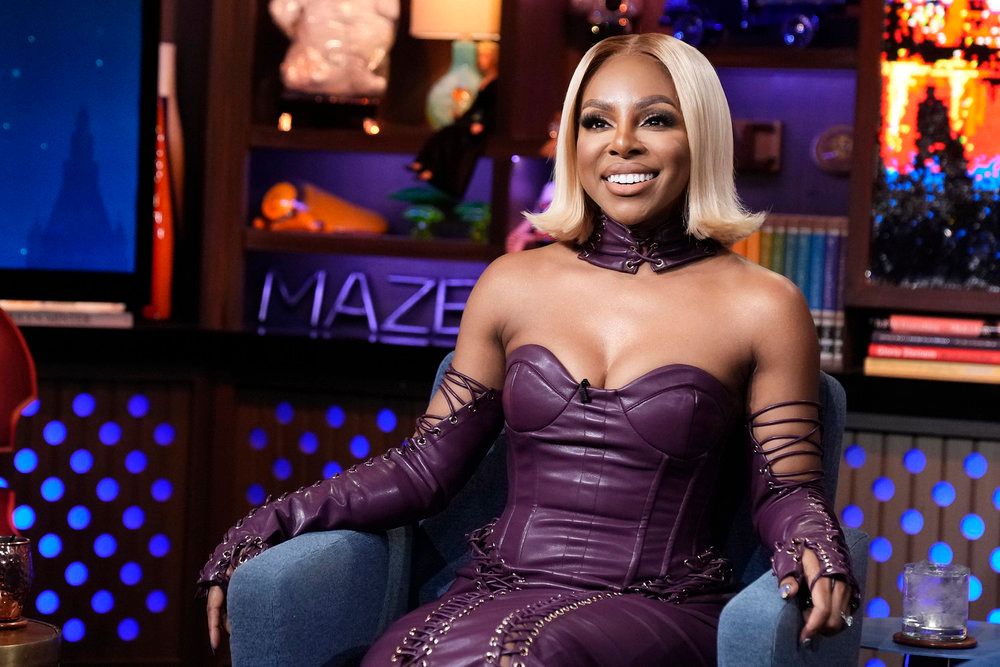
Candiace Dillard Bassett, a standout voice from the Real Housewives of Potomac, has opened up about her departure from the franchise, revealing on the Pop Syllabus podcast that her exit was driven by more than just the usual drama. Candiace stated that she felt the show’s environment had become increasingly toxic and that the authenticity of her narrative was often overshadowed by the relentless pursuit of sensationalism. This candid revelation adds a new layer to the ongoing conversation about representation and authenticity within the landscape of reality television, especially in spaces that are meant to reflect the complexities of Black culture.
To fully grasp the gravity of Candiace’s departure, we need to consider the trajectory of reality TV as it relates to Black narratives. From the initial hype surrounding shows like The Real World to the more recent waves of Black reality stars, the genre has often been criticized for prioritizing drama over depth. Candiace’s journey on RHOP was marked by both personal triumphs and very public conflicts, showcasing her resilience in a space that often pits women against one another. Her exit signals a pivotal moment not just for her personal journey but for the larger conversation about the portrayal of Black women on television.
Candiace’s move could very well reflect a growing discontent among Black reality stars who are weary of being exploited for drama. In an industry that profits immensely from the sensationalized portrayals of Black women, her choice to step away speaks volumes about the need for more balanced and authentic narratives. It suggests a shift in the narrative arc where Black reality stars are beginning to reclaim their stories, choosing authenticity over the manufactured chaos that often dominates reality TV.
Comparatively, we can look back at the moment when Mo’Nique famously called out the media for her portrayal in Precious, leading to a far-reaching dialogue about how Black stories are told. Just as Mo’Nique’s candidness encouraged other Black artists to speak their truth, Candiace’s departure from RHOP adds to a growing chorus of voices that demand respect and authenticity over mere entertainment value. We are witnessing a wave where vulnerability is celebrated, and the very foundations of how Black women are represented are being challenged.
As we anticipate what lies ahead for Candiace, her departure could open the door for a new wave of reality programming that values authenticity and promotes the nuanced experiences of Black women. It’s essential to watch how networks respond to this shift. Will they continue to cling to the old formulas that exploit drama, or will they embrace a new era that highlights the richness and diversity of Black narratives? Candiace’s exit isn’t just about her; it’s about reimagining what Black representation looks like in media—a conversation that, hopefully, will gain momentum beyond the confines of reality TV.
About The Author