By Malik Carter, PowerVault Staff
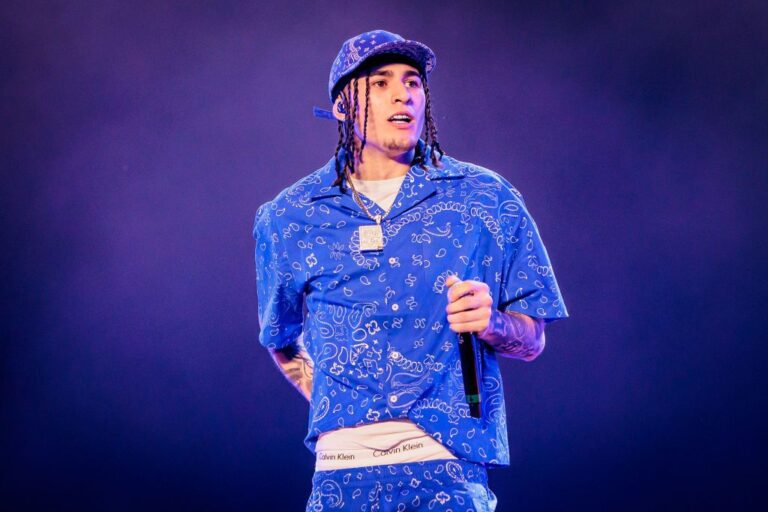
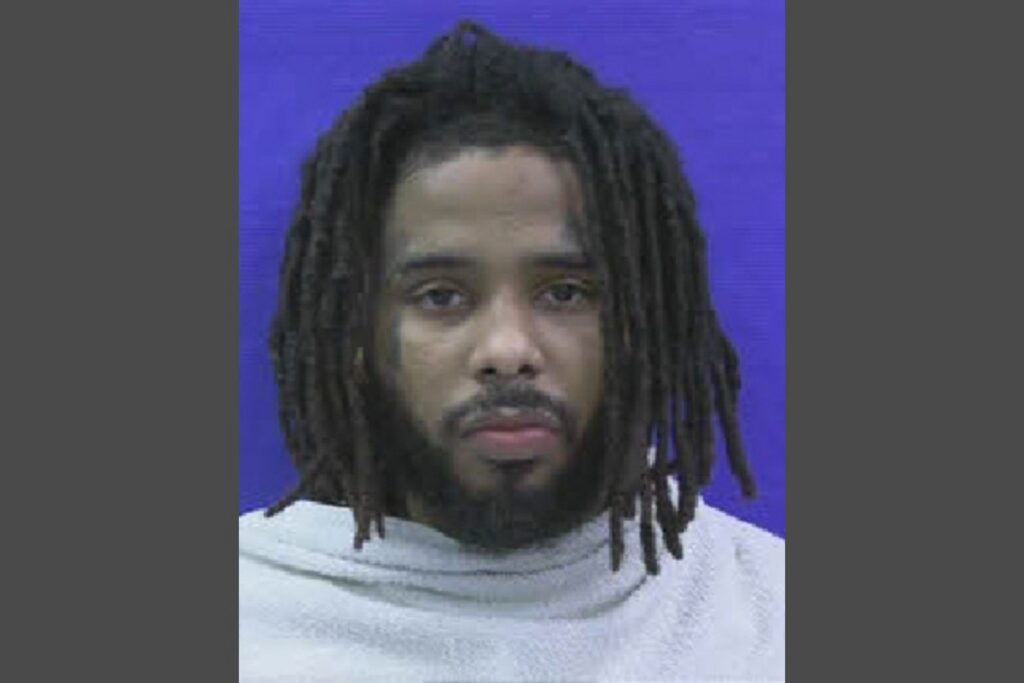
In a move that has sent shockwaves through the hip-hop community, Pooh Shiesty has been denied bond for the third time in his ongoing legal battle stemming from a shooting incident linked to his association with Gucci Mane. This decision not only raises questions about the judicial process but also highlights the stark reality many artists face when entangled in the legal system. As a young artist who burst onto the scene with a raw, authentic sound, his continued incarceration symbolizes the broader struggles within a culture that often glorifies street life while simultaneously punishing those who embody it.
To fully grasp the significance of this moment, we have to take a step back and look at where Pooh Shiesty came from. Born in Memphis, Tennessee, Shiesty emerged from a city that has produced some of the most influential voices in hip-hop. His music, steeped in the gritty realities of life in the streets, resonated deeply with fans who saw in him a reflection of their own struggles. However, as Shiesty gained momentum, so did the legal pressures against him. The Gucci Mane incident was not just a flashpoint; it was a culmination of a life lived in the crosshairs of fame and the law. With each bond denied, it becomes increasingly clear that the system is not just targeting Shiesty but is also sending a message to the entire community.
This situation serves as a stark reminder of the double-edged sword that fame can be in hip-hop. For many artists, success is intertwined with their pasts—stories of survival, hustle, and defiance against the odds. Yet, the same factors that bring them to the limelight can also lead to their downfall. The culture celebrates authenticity, but it often punishes artists who live out those authentic experiences. Pooh Shiesty’s plight is emblematic of how the system can ensnare those who dare to speak their truth, effectively forcing them back into the shadows just as they were stepping into the light.
When we look back in history, we can draw parallels to the experiences of other artists who have navigated similar battles. Take the case of Meek Mill, who faced years of probation and multiple arrests that hindered his career despite being a voice for social justice. Meek’s fight became a rallying cry for criminal justice reform, highlighting how the system often fails to understand or support the very narratives that hip-hop conveys. Pooh Shiesty’s situation is no different; it is a reflection of a cycle that needs to be broken.
As we watch this saga unfold, it’s crucial to keep our eyes on how the community responds. Will Pooh Shiesty’s case ignite further conversations about the treatment of artists within the legal system? Will it inspire action, perhaps even a movement advocating for artists who find themselves facing similar circumstances? The implications go beyond just Shiesty’s fate; they touch on the need for a collective reevaluation of how we as a culture support our artists while demanding accountability from systems that too often overlook their humanity. In this narrative of struggle and resilience, one thing is certain: the world is watching, and the next chapter in this saga could shape the future of how we navigate the intersection of hip-hop and justice.
About The Author