By Jasmine Reed, PowerVault Staff
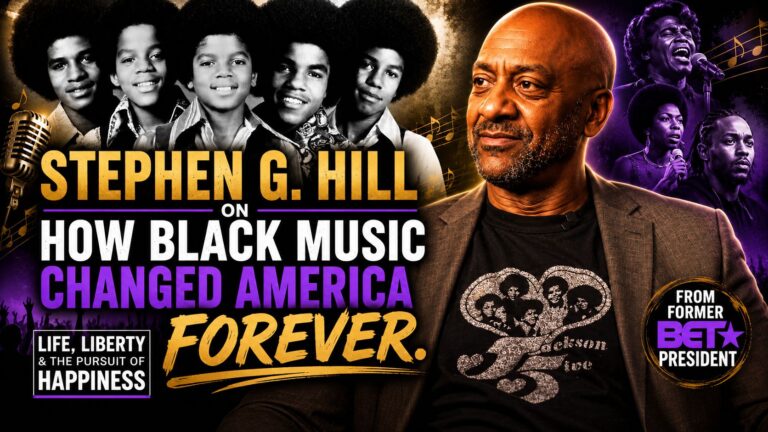
Imagine a world without beats that move your soul or melodies that tell our stories. It’s like taking out the heart of Black culture — music has always been the pulse of our community. In June, Black Music Month rolls around, reminding us of the power and influence of our soundscape. It’s not just about the tunes; it’s about identity, resilience, and history.
Black music is more than songs on the radio or the streaming numbers on Spotify. It’s the soundtrack to our lives, woven into every moment, from the joy of a family reunion to the solemnity of a protest march. Our music has always been medicine, healing the wounds of the past and providing strength for the future. But what does Black Music Month truly signify? And why does it matter so much?
Celebrated in the United States since 1979 when President Carter officially designated June as Black Music Month, this celebration was initiated by Kenny Gamble, Ed Wright, and Dyana Williams. They recognized the need to highlight the considerable contributions of Black artists who had, and continue to, shape the landscape of music globally. From the spirituals sung in fields to the hip-hop beats resonating in urban streets, Black music has always been about innovation and expression.
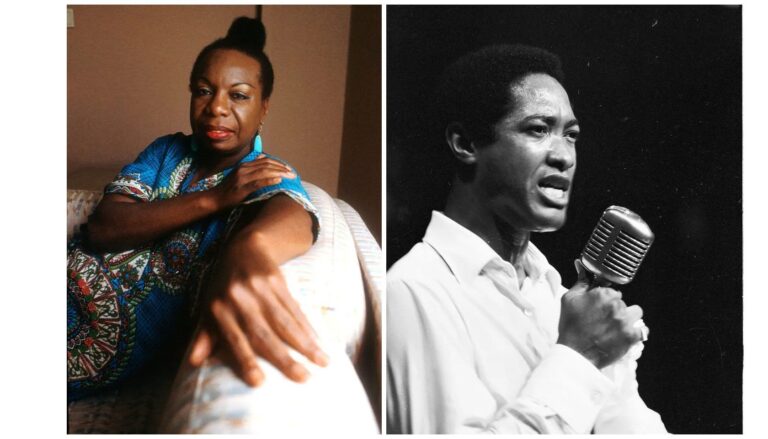
Think about the likes of James Brown, who taught us to be loud and unapologetic, declaring, “I’m Black and I’m proud,” or the smooth, intoxicating sounds of Marvin Gaye asking “What’s Going On?” during a time of political turbulence. These artists were not just performers; they were revolutionaries, using their music as a platform for social change. Their legacies remind us that music is a powerful tool for resistance and empowerment.
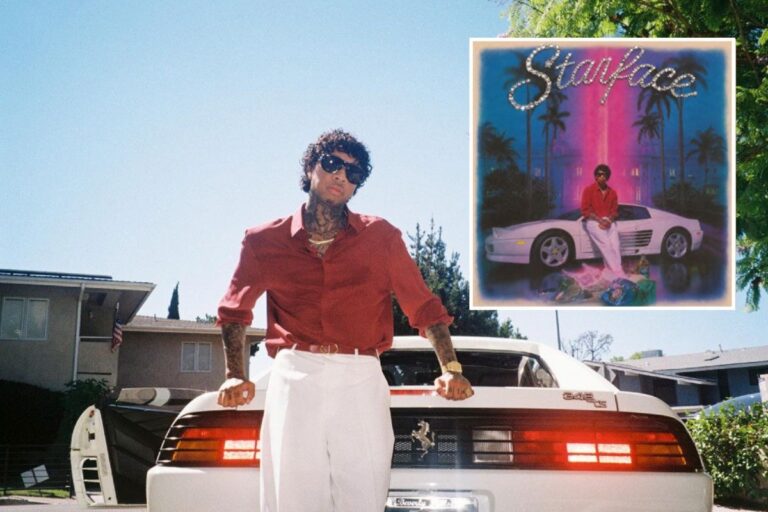
In today’s world, the essence of Black music continues to evolve. Artists like Kendrick Lamar, with his Pulitzer Prize-winning album, “DAMN.,” continue to push boundaries, addressing issues like systemic racism and identity through his lyrics. Meanwhile, the revival of hip-hop’s golden age with veterans like Rakim, Masta Killa, and Kurupt signifies that our roots are as important as our future.
Black Music Month is also a reminder of how hip-hop has become a global phenomenon. It’s not just about beats and rhymes; it’s a universal language that speaks to the struggles and triumphs of marginalized communities worldwide. Take a look at how the drill scene has blossomed in unexpected places like Italy, shaping hip-hop’s next chapter and underscoring the genre’s global reach. Our music knows no borders; it’s a force that connects cultures and amplifies voices.
But beyond celebration, Black Music Month is also an opportunity to reflect on the challenges that Black artists have faced and continue to face in the industry. The fight for recognition, ownership, and fair compensation is ongoing. In a world where mainstream media often commodifies and dilutes Black culture for profit, Black Music Month serves as a call to action for preserving the authenticity and integrity of our music. It’s about reclaiming our narratives and ensuring that future generations understand the roots and significance of their cultural heritage.
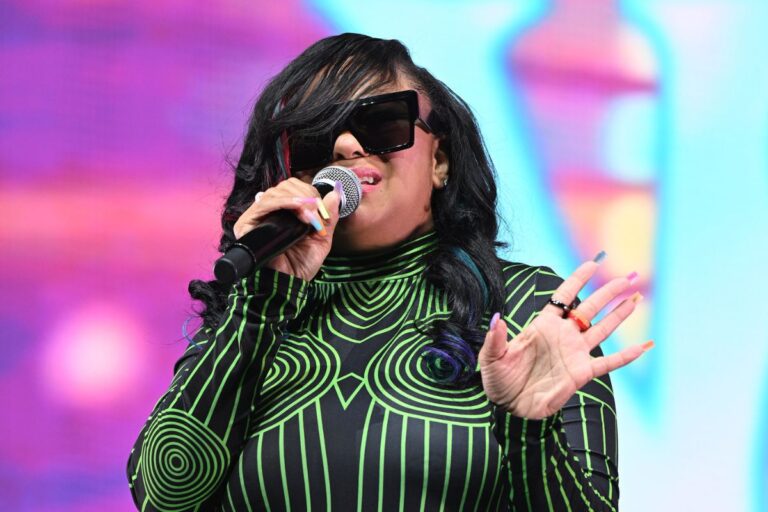
Moreover, Black Music Month intersects beautifully with other cultural celebrations like the ESSENCE Festival which shines a light on various aspects of Black culture, from literature to fashion. These cultural intersections highlight the multidimensionality of the Black experience and showcase the vibrant tapestry of our contributions to society.
Looking ahead, the future of Black music is bright and boundless. Artists are now more empowered than ever to take control of their careers, utilize technology to reach broader audiences, and collaborate across genres and continents. The evolution of Black music is a testament to the creativity and resilience of our people. As we move forward, we can expect new sounds and new stories that will continue to inspire and galvanize us.
So, as Black Music Month unfolds, let’s celebrate not just the music but the spirit behind it. Let’s honor the pioneers who paved the way and support the new voices pushing boundaries. Let’s ensure that the heart of Black music continues to beat strong, influencing generations to come. It’s more than music; it’s life, it’s culture, and it’s our legacy.
About The Author