By Jasmine Reed, PowerVault Staff
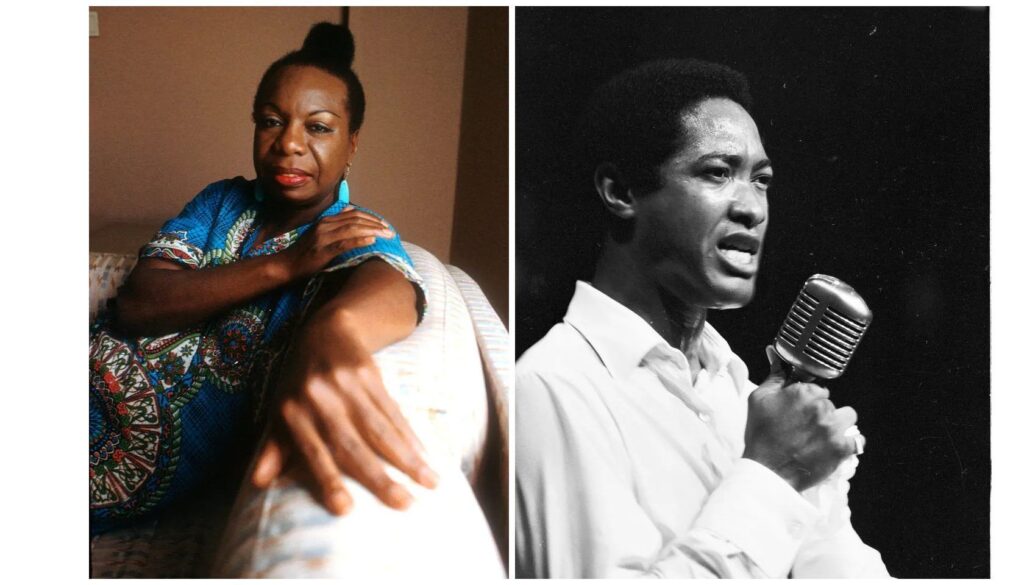
In recent discussions about the artistic legacies of Nina Simone and Sam Cooke, we are reminded of the profound sacrifices that Black artists often make in the name of truth, authenticity, and social justice. These two musical giants chose to prioritize their messages over commercial success, using their platforms to elevate the fight for civil rights and equality during some of America’s most tumultuous times. Their journeys reflect a broader narrative: that for many Black artists, the struggle for artistic integrity often comes at a steep personal and professional cost.
To fully appreciate the weight of Simone and Cooke’s choices, we must look back at the social and political climate of the 1960s. The Civil Rights Movement was not just a backdrop; it was the very fabric of life for Black Americans. Simone’s haunting melodies like “Mississippi Goddam” and Cooke’s powerful anthems like “A Change is Gonna Come” weren’t simply songs; they were declarations of resistance. The music industry, predominantly white and profit-driven, frequently sidelined politically charged music in favor of palatable pop hits. For artists like Simone and Cooke, aligning their art with their personal convictions meant stepping away from mainstream favor and embracing the roles of activists.
What does this mean for today’s culture and artistic community? It serves as a reminder that the power of art lies not only in entertainment but in its ability to provoke thought, inspire change, and challenge the status quo. The sacrifices made by Simone and Cooke reveal a truth we often overlook: that authentic expression can be at odds with commercial success, especially in industries steeped in systemic inequalities. In an age where social media can amplify voices, we witness a generation of artists grappling with the legacy of their predecessors. They understand that art can still be a vehicle for change, yet they tread carefully, often weighing the repercussions of their truth against the allure of mainstream acceptance.
Looking at history, we can draw parallels to contemporary artists who navigate similar waters. Think of Kendrick Lamar, whose album “To Pimp a Butterfly” tackled themes of identity, systemic oppression, and mental health in a way that demanded attention. Like Simone and Cooke before him, Lamar chose to prioritize a narrative that spoke to the heart of Black experience, even when it risked alienating a portion of his audience. This commitment to authenticity over commercial accessibility is a hallmark of Black artistry that persists through generations, calling on the culture to remember the sacrifices made.
As we celebrate the legacies of Simone and Cooke, we must also look forward. The landscape of music is ever-evolving, and with it comes the responsibility of new artists to carry the torch of activism through their art. As Black creatives continue to navigate the fine line between commercial viability and authentic expression, the question remains: how will they balance their messages with the pressures of an industry that often prioritizes profit over purpose? This is the dialogue that needs to permeate our spaces, reminding us that the fight for justice and truth in art is an ongoing journey. As we engage with this legacy, we must encourage a new generation of artists to echo the sentiments of those before them—to remember that their voices matter, and their art can change the world.
About The Author