By Simone Walker, PowerVault Staff
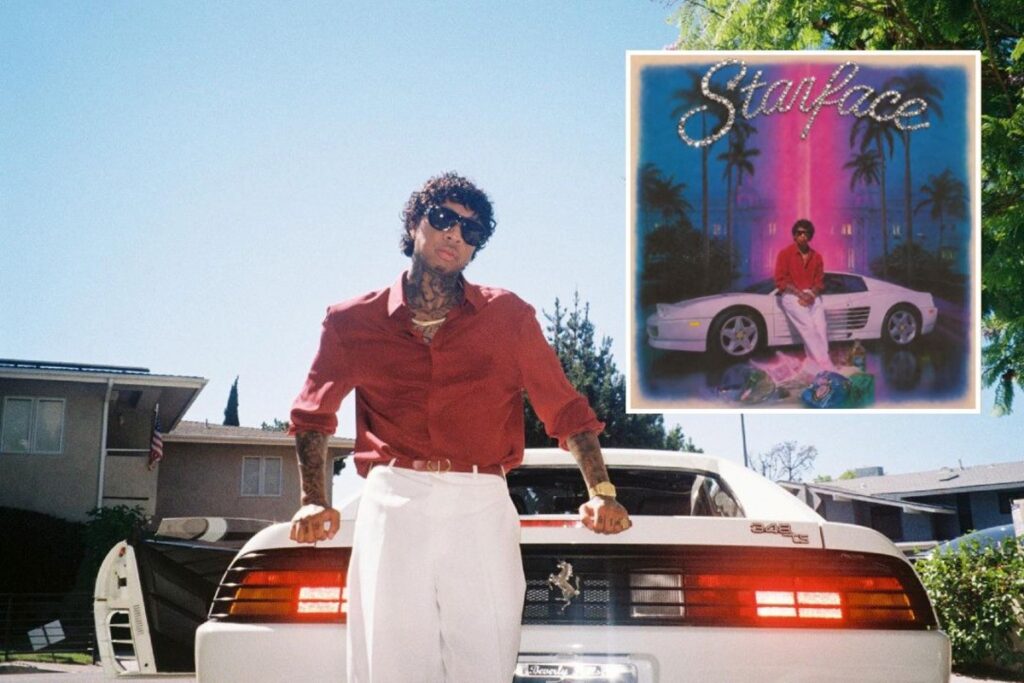
Tyga is stirring the pot yet again, this time with the announcement of his upcoming album inspired by the vibrant aesthetics of the 1980s. Titled ‘Starface,’ the record promises to delve into the sounds and visuals that defined a generation, blending the neon glow of the past with today’s trap beats. As he gears up for this musical endeavor, it begs a question: is this a genuine homage to a bygone era, or is it a strategic move in a saturated market?
To truly appreciate Tyga’s latest artistic venture, we must first consider where he stands in the ever-evolving landscape of hip-hop. From his early days with ‘Rack City’ to collaborations with the likes of Nicki Minaj and his forays into the reality TV space, Tyga has always managed to reinvent himself. Yet, 1980s aesthetics represent more than just a musical era; they’re a reimagining of cultural iconography that resonates deeply within the Black community. From the influence of funk and soul to the emergence of hip-hop itself, the ’80s were a critical time for our cultural expressions.
This album could be a reflection of a broader trend within hip-hop—artists are increasingly looking back at the past for inspiration. But what does this mean for the culture? There’s a thin line between nostalgia and innovation, and it’s easy for established artists to fall into the trap of recycling trends instead of creating new ones. Tyga’s choice to anchor himself in this vibrant decade could serve as a double-edged sword: while it connects him to a rich legacy, it also risks alienating a younger audience hungry for original sounds that speak to their experiences today.
A similar moment in the past occurred with Drake’s ‘Take Care,’ which channeled a multitude of influences, including ’90s R&B and classic hip-hop, to create a sound that felt both nostalgic and fresh. The success of that album set a precedent for the blending of eras in a way that resonated with fans across generations. Tyga arrives at a time when the industry is ripe for such an exploration, but he must be careful not to merely mimic the past. Instead, he should harness the essence of ’80s music—its boldness, vibrancy, and creativity—to speak to contemporary issues within the Black community.
Looking ahead, ‘Starface’ challenges us to consider how we engage with nostalgia in art and culture. Will Tyga be able to craft a sound that pays tribute to the past while simultaneously pushing the envelope for today’s listeners? As the release date approaches, eyes will be glued to how he navigates this nostalgic territory. Will he blaze a trail forward, or will the bright lights of the ’80s cast long shadows over his current narrative? As hip-hop continues to evolve, the answers to these questions could shape the next chapter of not just Tyga’s career, but the industry as a whole.
About The Author