Angelina Stone's Tragic Death: What the Erie Massacre Reveals About Family Violence
By Andre Coleman, PowerVault Staff On a crisp October afternoon, the silence of Erie, Pennsylvania was shattered by the sound of gunfire echoing through the streets. It was a grim scene, one that would haunt the city...

By Andre Coleman, PowerVault Staff
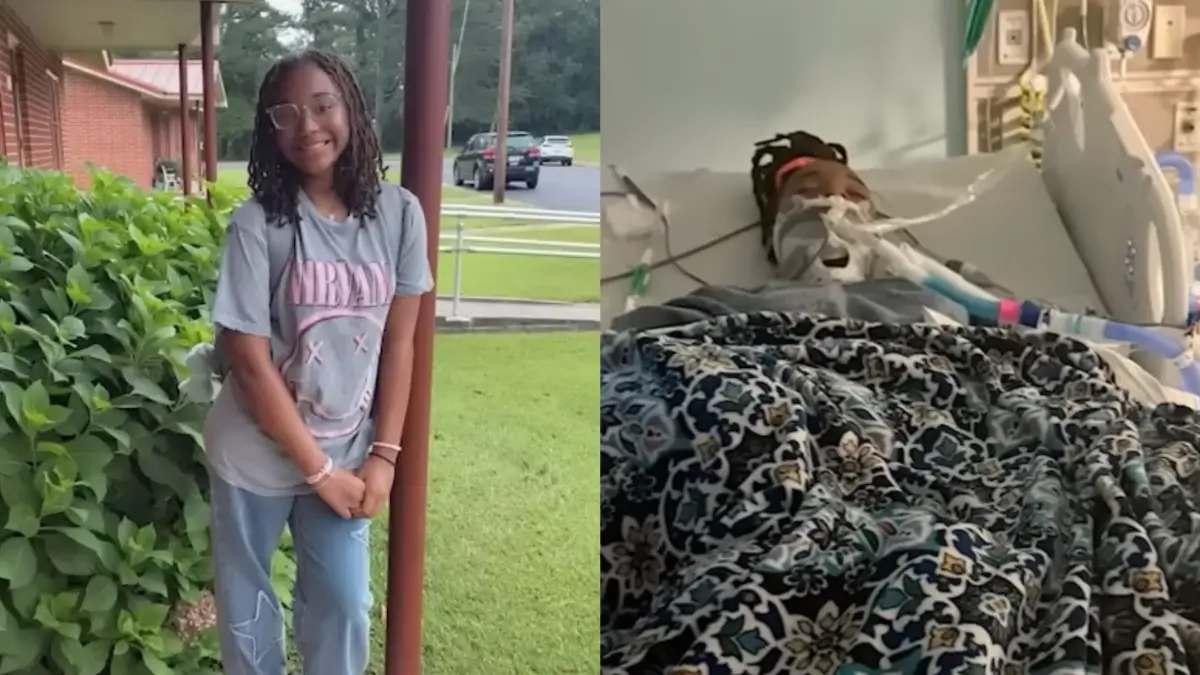
On a crisp October afternoon, the silence of Erie, Pennsylvania was shattered by the sound of gunfire echoing through the streets. It was a grim scene, one that would haunt the city and ripple through the state, leaving a community in disbelief and mourning. As the sun dipped below the horizon, a sinister story unfolded within a family home, where an unsuspecting neighborhood became the backdrop for an unspeakable tragedy. Nine people were dead, including Angelina Stone, her two children, and an unborn baby who would never take a breath. The shooter? Angelina's father, a man who turned the gun on himself after unleashing chaos and extinguishing the lives of his own flesh and blood. His actions left a void that would never be filled, while questions about his motives lingered like a shadow over the city.
According to reports from local media, Angelina Stone was mere days away from delivering her third child when the fateful shooting occurred on October 9, 2026. The Erie mass shooting left the community in shock and mourning, stirring conversations about the hidden dangers lurking within family dynamics that often go unnoticed until it's too late. Her father, whose identity has not been publicly disclosed by authorities, allegedly killed eight relatives before taking his own life in a final act of despair. The tragedy has left investigators, led by District Attorney Elizabeth Hirz, piecing together the motives and sequence of events that led to this monstrous act. The investigation has become a painstaking effort to understand how familial tensions could escalate to such devastating violence, seeking clues in every corner of the lives lost.
Angelina's social media activity has been a focal point for investigators as they delve deeper into the circumstances surrounding the tragedy. Just days before her death, she shared ominous posts like, “Don’t cry when I die; I hated it here,” reflecting a potentially troubled state of mind. On the very day of the killings, she revealed, “I never needed anyone on my team. I stand alone regardless!” These stark declarations add a layer of complexity to the investigation, though authorities caution against jumping to conclusions as they search for concrete links to the tragedy. A video provides additional context on the family's situation, offering glimpses into the possible struggles and dynamics at play. Investigators hope to piece together whether these posts were cries for help or reflections of internal strife.
The chilling message of Angelina’s posts has captivated public attention and fueled intense debate over their meaning. Were these cries for help or merely expressions of internal turmoil? Whatever their intent, the posts point to a possible undercurrent of despair or isolation, both of which are critical facets in understanding how such tragedies can unfold. The specter of domestic violence looms large over this case, yet remains unconfirmed as authorities tread carefully through the delicate web of family relationships. Angelina’s words, haunting in their rawness, may offer insight into her mental state and the pressures she faced, but they also highlight the broader issue of how silent suffering can remain unseen until it erupts into violence.
The Erie shooting is not an isolated incident but part of a troubling trend. America has witnessed a concerning uptick in family-related violence, often ending in mass casualties and suicide by the perpetrator. The case is reminiscent of other shocking family annihilations, where the home, meant to be a safe haven, becomes a site of unimaginable horror and grief. Such incidents show the alarming reality that the very fabric of family life can become unraveled, leading to catastrophic outcomes. This trend calls for urgent examination of the underlying causes, including societal pressures and mental health issues, that may contribute to these violent eruptions. The next video gets into the broader implications of such tragedies, seeking to understand the systemic issues that allow them to occur.
Historically, familial violence has often been obscured by societal reluctance to intervene in matters deemed 'private.' Yet, we have seen this pattern before, with tragic consequences. From the infamous Menendez brothers' case in the 1990s, where pent-up family tensions erupted in bloodshed, to more recent occurrences like the murder-suicide in New Jersey in 2021, these events show a recurring narrative of hidden dysfunction leading to catastrophic outcomes. The reluctance to address these issues openly has allowed them to fester, often with deadly results. It is a reminder that the silence surrounding domestic disputes can be as harmful as the disputes themselves, and that intervention and open dialogue are crucial in preventing these tragedies.
When family becomes your enemy, the results are often shattering and irreversible, leaving scars that endure long after the initial shock subsides.
The chilling reality is that violence often roots itself deeply within the family unit, festering until it explodes.
The chilling reality is that violence often roots itself deeply within the family unit, festering until it explodes with devastating consequences. The prevalence of domestic violence is not just a private issue but a public health crisis, demanding systemic changes in how communities and authorities identify and intervene in high-risk situations. This tragedy in Erie serves as a stark wake-up call, urging us to scrutinize and address the warning signs of domestic discord before they escalate into irreversible acts of violence. It compels us to examine the societal and institutional failures that allow such environments to persist and to create robust support systems that can intervene before it is too late.
For the justice system, incidents like the Erie shooting raise profound questions about preventive measures and the effectiveness of our current frameworks. Are we doing enough to protect those most vulnerable within the home, particularly from those they trust the most? The roles of mental health services and community resources are critical in preventing such tragedies, offering support and intervention before issues escalate. The answer lies not just in punitive measures post-tragedy, but in robust preventive frameworks that identify risks early and offer comprehensive support. It requires a proactive approach that includes education, community engagement, and the dismantling of barriers that prevent individuals from seeking help.
As communities grapple with these complex issues, the media’s role in shaping public perception cannot be understated. Responsible reporting hinges on balancing public interest with empathy for the victims’ families, avoiding sensationalism that can deepen the wounds of those affected. Instead, informed and sensitive coverage can foster meaningful dialogue and awareness, potentially guiding systemic change and encouraging preventive measures. Our coverage must acknowledge this balance, striving to inform without exploiting, to illuminate without sensationalizing, and to facilitate a broader understanding of the issues at hand. By doing so, the media can play a pivotal role in driving change and advocating for those whose voices have been silenced.
Beneath this tragic event lie the intersections of race, class, and systemic inequities that often complicate the ability to access support systems. Minority communities frequently face additional barriers in accessing resources that could mitigate familial tensions, including cultural stigmas and economic hardships. These barriers, when combined with economic stressors and institutional biases, can increase the potential for explosive violence within the home. Addressing these layered dynamics is crucial in preventing future tragedies, requiring a comprehensive approach that considers the broader social and economic context in which these families live. Only by confronting these inequities can we hope to create a safer environment for all families.
What happens next is crucial. Authorities will continue their investigation, hoping to illuminate the motives behind this massacre, while the community seeks answers and healing. Yet, as we look forward, the challenge lies in transforming this grim moment into a catalyst for meaningful change. Let this tragedy serve as a call to action, a collective effort to unearth and address the silent crises lurking within our homes. This challenge is ours to meet with urgency, compassion, and a commitment to prevent future acts of violence. In doing so, we honor the memories of those lost and work towards a future where such tragedies are averted.