David Xu's Poisoning Case: Why His Conviction Was Expunged
By Simone Walker, PowerVault Staff In a nondescript office at Berkeley Engineering and Research, the tension between two colleagues simmered beneath the surface, hidden from the bustle of everyday work. Nestled among...
By Simone Walker, PowerVault Staff
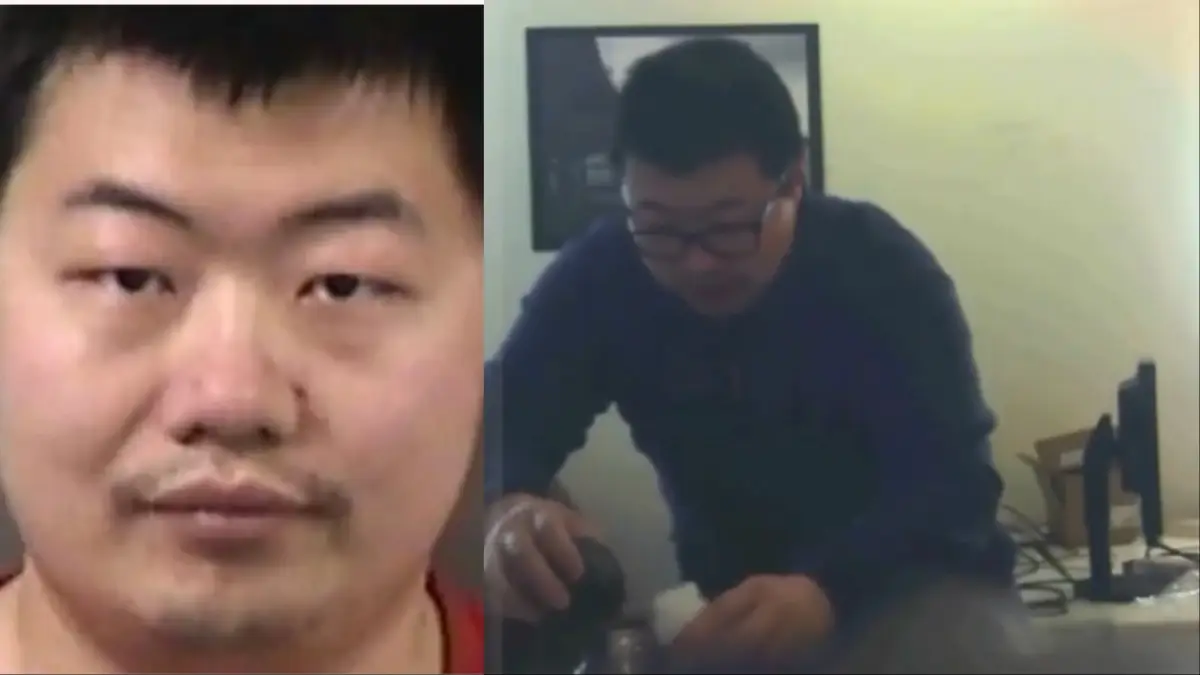
In a nondescript office at Berkeley Engineering and Research, the tension between two colleagues simmered beneath the surface, hidden from the bustle of everyday work. Nestled among the rolling hills of California, this seemingly innocuous environment transformed into the scene of a chilling crime that shocked the community and laid bare the fragility of workplace relations. Surveillance footage exposed a sinister truth: a trusted colleague was caught in the act of sabotage, pouring a toxic substance into a coworker's water bottle. This haunting image would shadow Rong Yuan long after the cameras ceased recording, serving as a constant reminder of the betrayal that unfolded in a place she once considered safe.
The chilling discovery unfolded as Yuan, suffering from mysterious illnesses, decided to take matters into her own hands. In March 2019, she approached authorities armed with undeniable evidence: her surveillance footage captured colleague David Xu poisoning her water supply with cadmium, a toxic metal known for its severe health risks. Xu's arrest followed swiftly, launching a legal battle chronicled by The San Francisco Standard, which thrust him into the public eye and exposed the dark undercurrents within workplace dynamics. Yet, despite the apparent open-and-shut nature of the case, a recent judicial decision to expunge Xu's conviction has reignited the debate over justice and accountability, revealing the complexities and potential shortcomings of the legal system.
Rong Yuan's suspicions were not mere paranoia. After being barred from using a company lab in 2017, she began experiencing hair loss and debilitating sickness that left her in a state of constant distress. Her ordeal escalated to a critical point when even her mother, after taking a sip from her water bottle, noticed something was dangerously amiss, further validating Yuan's concerns. Driven by instinct and desperation, Yuan installed a hidden camera at her workstation, capturing the damning evidence of Xu's malicious actions. The footage, revealing Xu's calculated approach, became the pivotal piece of evidence that set the legal proceedings in motion, ultimately leading to his conviction.
Xu's behavior, meticulously documented in the footage, revealed a methodical approach to his crime. He was seen hurriedly pouring a substance into Yuan's bottle, then carefully adjusting it as though to hide his tracks, displaying a chilling level of premeditation and intent. This footage served as the linchpin for his conviction on one count of poisoning in September 2023, following a plea deal that led to the dismissal of additional charges, including attempted murder. Despite the severity of his actions, the consequence was limited to two years of probation, which Xu soon completed, raising questions about the adequacy of such a sentence given the potential fatality of his crime.
At a time when a daily sip of water could mean brushing with death, Yuan's experience is a stark reminder of the everyday dangers lurking in plain sight. Her story of survival is proof of vigilance and the power of unyielding pursuit of the truth. She turned the evidence over to the police, with her blood running cold as she confronted the proximity of death, realizing how close she had come to a tragic end. Her recollections, along with the visual proof of Xu's betrayal, circulate in the video below, serving as a chilling reminder of the lengths to which someone might go to harm another, even in the most trusted environments.
This case is not isolated. Historically, the American justice system has witnessed similar instances where the punishment does not seem to fit the crime. The 2007 case of the “Marmite Maniac” in the United Kingdom, who was caught slipping corrosive substances into food, resulted in harsher penalties, illustrating the varying degrees of judicial response to such offenses. These cases highlight the persistent issue of how different jurisdictions handle crimes of poisoning, raising questions about the fairness and consistency in sentencing. The disparities in how justice is administered invite scrutiny and demand reform, urging a reevaluation of how the severity of such crimes is perceived and punished across legal systems, both domestically and internationally.
Justice can be blind, but it must not be tone-deaf.
Expunging a conviction for poisoning sends the kind of message our justice system should be wary of endorsing.
Expunging a conviction for poisoning sends the kind of message our justice system should be wary of endorsing. It undermines the gravity of the offense, creating a precedent that could lead to more lenient treatment of similar cases in the future, ultimately posing a threat to public safety. Courts must take into account the potential risks to public safety and the psychological trauma inflicted upon victims when considering such judgments. The decision to expunge Xu's conviction not only diminishes the severity of his actions but also overlooks the lasting impact on the victim's sense of security, potentially eroding public trust in the justice system's ability to protect individuals from harm within supposedly safe environments.
For the legal system, Xu's case is a litmus test for accountability and deterrence. If the judiciary continues to dismiss serious offenses with minimal repercussions, it risks eroding public trust and confidence in the system's ability to administer fair and just outcomes. Social media and community forums have erupted in heated debate over the court's decision, spotlighting a growing divide between legal judgments and public perception. The discourse captured in the Instagram post below reflects the broader societal concerns about the implications of expunging such a serious conviction, highlighting the urgent need for a judicial approach that aligns with societal expectations and prioritizes the safety and well-being of potential victims.
The community, particularly the workplace, must grapple with the real and psychological effects of such incidents, recognizing the profound impact they have on individuals' sense of safety and trust. This case has sparked necessary discussions about the cultural dynamics of power, race, and the often-unseen tensions simmering in professional environments, emphasizing the need for organizations to implement comprehensive measures to prevent similar occurrences. Ensuring that workplaces remain safe spaces for all employees requires systemic changes and a commitment to transparency, accountability, and justice, fostering an environment where individuals feel protected and valued, and where potential threats are addressed promptly and effectively.
Beneath the surface, the case of Rong Yuan and David Xu brings to light deeper issues of race and privilege in America. Yuan, a Chinese-American woman, faced a potentially deadly threat from a colleague, highlighting the vulnerability often experienced by women and minorities in professional settings. The discrepancies in the legal system's handling of such cases show a broader conversation about equality and protection under the law, raising questions about whether all individuals receive fair and equitable treatment within the justice system. This case serves as a catalyst for broader societal discussions on how race, gender, and privilege intersect to influence legal outcomes, and what steps can be taken to address these disparities.
Moving forward, Yuan's plight is a call to action for increased vigilance and accountability in workplaces across the nation. As we observe how public sentiment and future cases influence judicial reform, this incident stands as a reminder that justice must serve the vulnerable and hold the guilty to account. In the aftermath of this expungement, there lies an opportunity for systemic change, a chance to reshape our approach to justice to better serve every member of our society. By addressing the shortcomings exposed by this case, there is potential to enhance the legal framework, ensuring it better reflects the values of fairness, protection, and equality for all individuals.