Cornelious 'Quad' Brown: The Veteran Quarterback Redefining the HBCU Football Journey
By Tanya Brooks, PowerVault Staff In the world of sports, age is often seen as a boundary, a hurdle that defines the twilight of an athlete’s career. But for Cornelious “Quad” Brown IV, a 26-year-old quarterback at Al...
By Tanya Brooks, PowerVault Staff
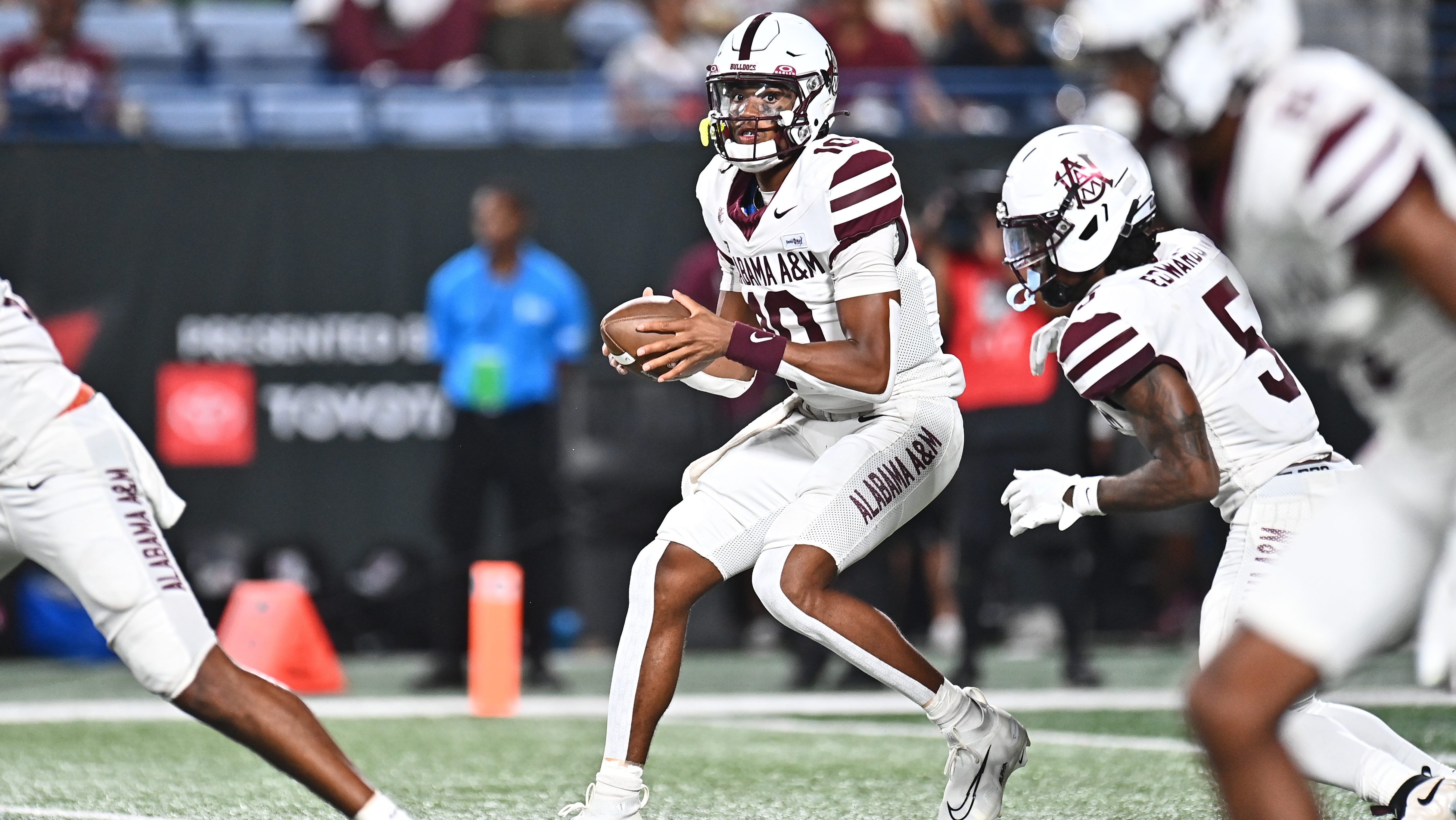
In the world of sports, age is often seen as a boundary, a hurdle that defines the twilight of an athlete’s career. But for Cornelious “Quad” Brown IV, a 26-year-old quarterback at Alabama A&M, age is merely a testament to his resilience and adaptability. As he approaches nearly a decade in college football, Brown stands as a living narrative of determination and reinvention, challenging the conventional wisdom of athletic primes.
Brown’s journey is not just a story of personal triumph but a remarkable reflection of the shifting tectonics in college sports. When he first laced up his cleats for a college game, NIL (Name, Image, Likeness) was an unheard-of concept, and the transfer portal was still finding its footing. Flash forward, and Brown is handling a scene that offers athletes unprecedented control over their careers, yet he remains a steadfast presence at Alabama A&M, known affectionately as the ‘Unc’ of HBCU football.
His eighth season in college football is not merely a footnote in sports history but a testament to the evolving nature of eligibility rules and the impact of COVID-19 on athletic careers. Brown has thrived under the extended eligibility rules provided by the NCAA, which allowed student-athletes like him to extend their college careers during the pandemic’s height. The decision was more than just a logistical adjustment; it was an opportunity for players to rewrite their narratives in an uncertain world. Brown has seized that opportunity, not only proving his worth on the field but becoming a mentor to younger teammates.
In an era where college athletes are increasingly making business-minded decisions, Brown’s loyalty to Alabama A&M says a lot. He could have leveraged his experience and talent in bigger programs, but he chose to build on his legacy in the HBCU circuit. This allegiance goes beyond the gridiron, highlighting the significance of staying true to one’s roots and the role HBCUs play in nurturing Black talent in a sphere that often sidelines their contributions.
His influence extends beyond the football field. Brown is a leader, a mentor, and an icon for perseverance. For a generation of young Black athletes looking for role models who reflect their experiences and challenges, Brown embodies the potential to redefine success.
The powerful message Brown delivers is echoed in the social media posts where his journey is celebrated and dissected by fans and pundits alike. Take a moment to consider the Instagram post below, where his story is told through the lens of his impact both on and off the field.
Brown’s story is more than just that of an athlete clinging to the last vestiges of his playing days. It’s about a man committed to growth and development in a sport and educational system that often undervalues the contributions of Black athletes. His eight-year tenure is not only a testament to his skill but also a critique of the systemic failures that necessitate such longevity as a measure of success.
The NCAA and institutions across the country are faced with big questions about the value and treatment of athletes who contribute significantly to their programs yet receive a fraction of the revenue they generate. The evolution of NIL rights is a step towards balance, but it also puts a spotlight on equity among schools with varying resources. Brown’s continued presence in HBCU football shows the need for systemic change, where athletes are not left to fight for recognition and fair compensation alone.
Brown is a symbol of perseverance, but also a critique of the systemic failures requiring such perseverance as a measure of success.
For the HBCU community, Brown’s journey is particularly poignant. It challenges the industry to not only recognize but celebrate and support the unique cultural and social environments that HBCUs provide. While powerhouses like Alabama and Clemson continue to dominate headlines, it’s places like Alabama A&M that foster resilience and community among Black athletes.
While the mainstream media often overlooks HBCUs, Brown’s story is a reminder of their importance in the larger sports ecosystem. It’s a call to action for coverage that goes beyond performance to include the battles and triumphs that come with representing these historic institutions.
In his role as ‘Unc,’ Brown emphasizes the significance of legacy. His time at Alabama A&M is not just about personal achievements but about paving a path for those who will come after him. His influence is also felt through the digital storytelling platforms where his journey inspires others. See the following Instagram post that encapsulates this sentiment, resonating with fans and followers who see a reflection of their aspirations.
The impact of Brown’s career will be seen in how future HBCU athletes approach their careers. It will challenge them to consider the full scope of their influence and the narrative they wish to craft. For Brown, the next chapters are unwritten but filled with potential, both on the field and within the broader scene of sports and education.
It's not just about what he accomplished in his career but the doors he’s opened for future athletes. As we look forward, the legacy of players like Brown should remind us of the importance of perseverance and the role Black athletes play in shaping the sports industry. As Brown takes the next steps in his journey, both he and the community he's impacted will watch closely, ready to see what new heights he will achieve, on and off the field.