Hakeem Jeffries Speaker Vote: What It Would Change
By Malik Carter, PowerVault Staff Hakeem Jeffries faces a Wednesday Democratic leadership vote, according to supplied reporting, not the final House vote that would make him speaker. That distinction matters before th...
Advertisement

By Malik Carter, PowerVault Staff
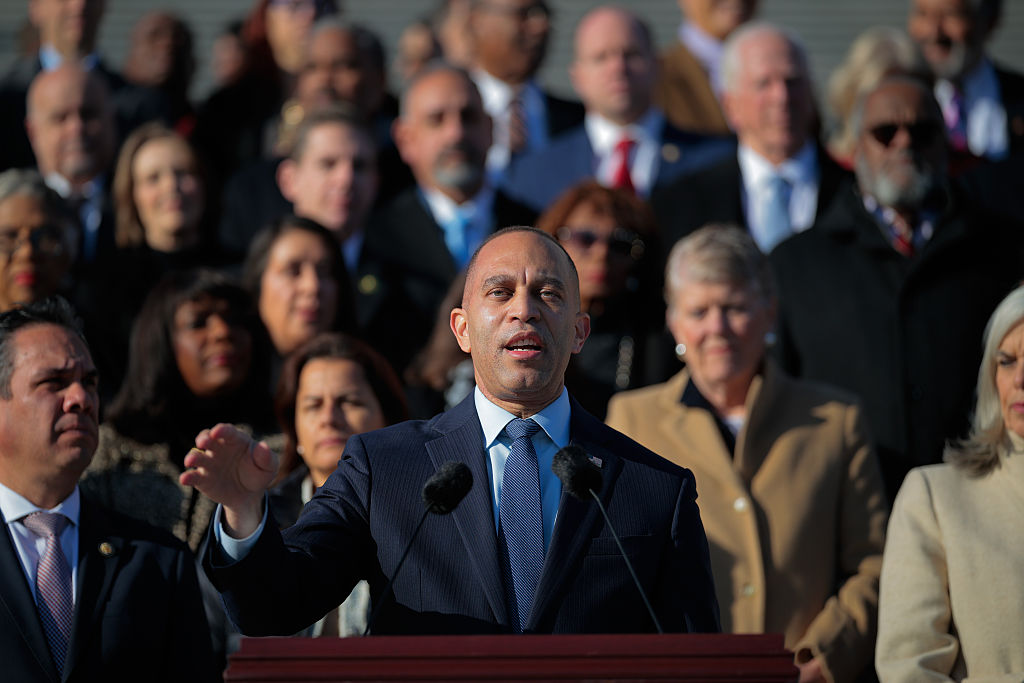
Hakeem Jeffries faces a Wednesday Democratic leadership vote, according to supplied reporting, not the final House vote that would make him speaker.
That distinction matters before the celebration starts. House Democrats can select their candidate behind closed doors, but the chamber must elect its speaker separately. The supplied TIME and Newsweek accounts describe Jeffries as the clear favorite among Democrats. Neither a party endorsement nor an expected victory should be reported as a completed election.
The reporting describes Democrats preparing to take a House majority following this month’s midterms. Those election results and the scheduled vote have not been independently verified for this article. The central procedural point remains: winning the caucus is not the same as winning the gavel. Keep that distinction in mind when viewing the accompanying post.
Jeffries becoming speaker would still represent a major breach in a barrier that has lasted generations. Joseph Rainey of South Carolina became the first Black House member in 1870. According to the supplied TIME reporting, Black leaders see both the historical weight and the pressure attached to Jeffries potentially leading the chamber.
The speaker sets House legislative priorities and plays a central role in federal spending negotiations. That means influence over which proposals advance, which fights receive attention and where leadership spends its bargaining power. It does not mean unilateral control over federal law. Those limits provide a useful frame for the accompanying video.
Jeffries has been preparing for this possibility since House Democrats chose him to succeed Nancy Pelosi as their leader in 2022. TIME’s supplied account says he has support from the Congressional Black Caucus, Alexandria Ocasio-Cortez and Congressional Progressive Caucus chair Greg Casar. That backing complicates any claim that the party’s left is united against him.
Jim Clyburn, a longtime mentor, offered TIME a pointed description of the responsibility: “Conduct yourself in such a way that you'll ensure that you won't be the last.” That advice recognizes the burden placed on Black political pioneers. Their performance can become an unfair referendum on people who never held their office.
A first Black speaker would make history, but history cannot pay a medical bill.
A first Black speaker would make history, but history cannot pay a medical bill. Black readers deserve permission to celebrate representation and demand results in the same breath. Pride should not require lowering expectations. The useful question is what Jeffries would put on the floor, defend during negotiations and refuse to trade away.
The institution deserves scrutiny, too. A speaker’s power includes deciding which disagreements become public votes and which remain trapped inside caucus meetings. Leadership should not confuse keeping members quiet with building agreement. The difference between party discipline and shutting down debate is worth considering alongside the next video.
The racial stakes cannot be separated from that accountability. The supplied TIME account reports that Trump shared a video depicting Barack and Michelle Obama as apes, a claim not independently verified here. Such imagery is racist dehumanization. Opposing racism, however, cannot become an excuse to treat every policy challenge to a Black leader as disloyalty.
Jeffries also deserves to be assessed as a political leader rather than a symbol carrying everybody’s hopes. That means judging his choices, not demanding that he personally resolve every injustice facing Black America. The fair standard is demanding and specific: explain the priorities, show the tradeoffs and own the decisions.
Healthcare offers the clearest test in the supplied coverage. Newsweek’s supplied account says Jeffries supports lowering Medicare’s eligibility age and expanding dental, vision and hearing coverage. It also describes an 84 page healthcare platform that did not make Medicare for All its centerpiece. Those are different approaches, not interchangeable campaign language.
Newsweek reports that Jeffries previously cosponsored Medicare for All but later said he did not support it as legislation. He has also described “different paths” to universal coverage. Readers should ask what his preferred path would cover, who would qualify and what patients would still owe. A promise of broader access needs details before families can price its value.
The same reporting says more than 147,000 people had signed a petition urging Ayanna Pressley to seek the speakership by Monday afternoon. A petition measures expressed support, not votes inside the Democratic caucus. Newsweek does not establish that Pressley entered the contest. Treating an online campaign as an official challenge would inflate what the evidence shows.
Other disputes concern leadership power and foreign policy. Newsweek describes progressive anger over Jeffries’ private meeting with Jared Kushner and a proposed penalty for members who oppose leadership on procedural votes. It also reports that Ro Khanna wants votes on military aid to Israel, funding for war with Iran and Medicare for All. Those demands test whether dissent gets a hearing.
For Black communities, the larger question is whether political access builds durable public capacity. PVN’s coverage of Dunbar High School and Black educational leadership offers another entry into that conversation. Who holds influence matters. What institutions deliver after that influence arrives matters just as much.
Readers following BeyGOOD’s support for teen literacy can apply a related distinction here: private generosity and public responsibility serve different roles. Communities should not have to depend on celebrated individuals to fill every gap. Congressional leadership must be judged by the public commitments it helps secure.
Advertisement
Next comes the reported Wednesday caucus vote, followed by the separate House election required to choose a speaker. Watch the actual vote totals, any commitments Jeffries makes and which proposals receive floor time afterward. The breakthrough deserves recognition if it happens. The gavel’s value will be measured by what he does with it.
More from PowerVault Network: