How a Social Media Dispute Led to the Tragic Death of 9-Year-Old Sequoya Bacon-Jones
By Renee Fontaine, PowerVault Staff It was a crisp afternoon in Trenton, New Jersey. The sun was shining, and laughter filled the air as children played outside, their joyous shouts punctuating the otherwise quiet str...
Advertisement

By Renee Fontaine, PowerVault Staff
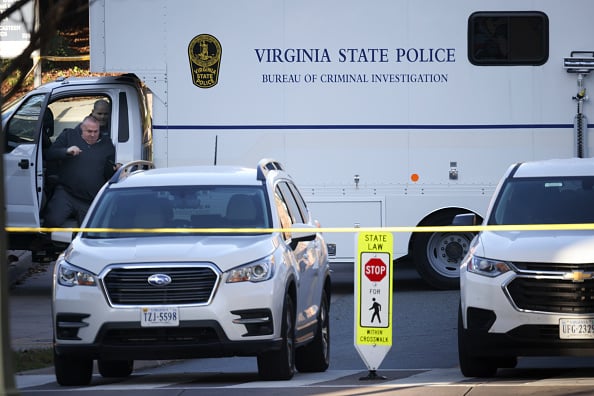
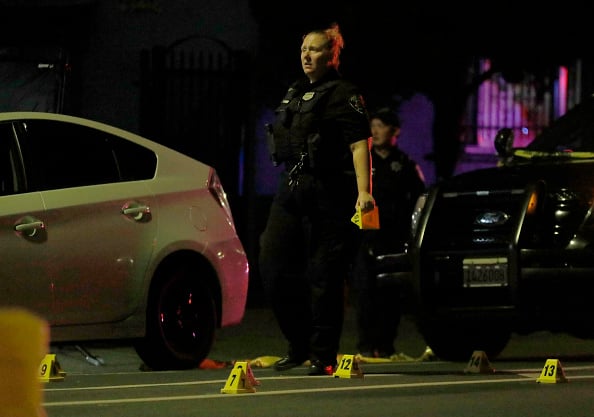
It was a crisp afternoon in Trenton, New Jersey. The sun was shining, and laughter filled the air as children played outside, their joyous shouts punctuating the otherwise quiet streets. In that moment, there was nothing out of the ordinary. A mother watched her daughter, 9-year-old Sequoya Bacon-Jones, as she laughed and played with friends. But then, without warning, the serenity shattered. Gunfire rang out, and within seconds, Sequoya lay on the ground, struck by a stray bullet. Her mother was helpless, watching as her daughter’s life slipped away.
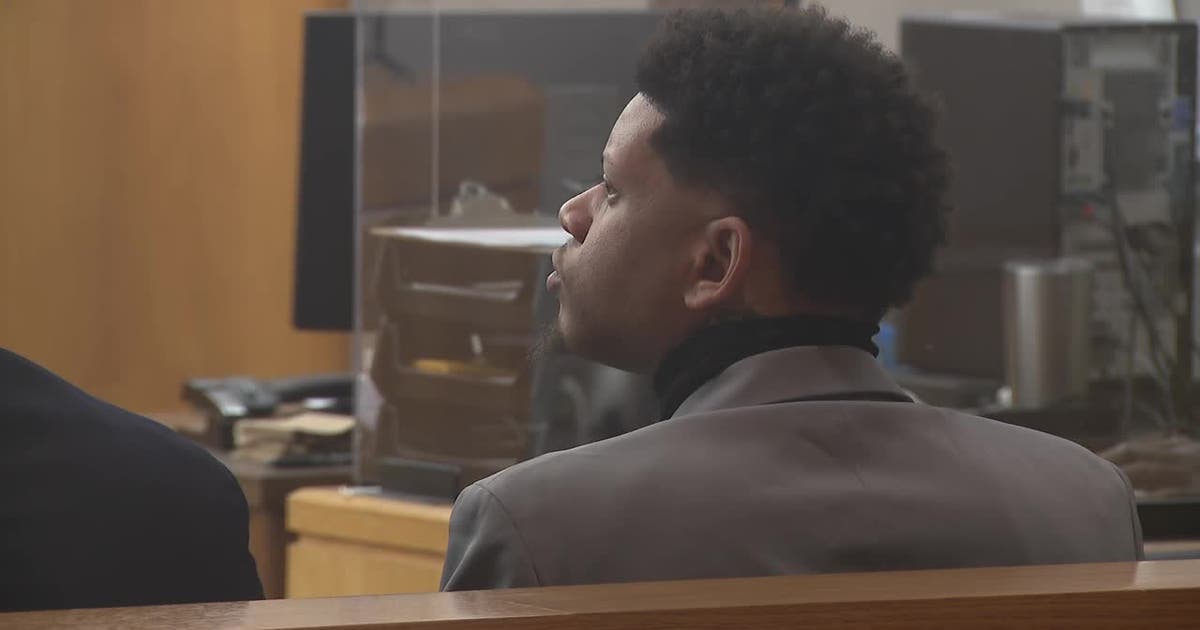
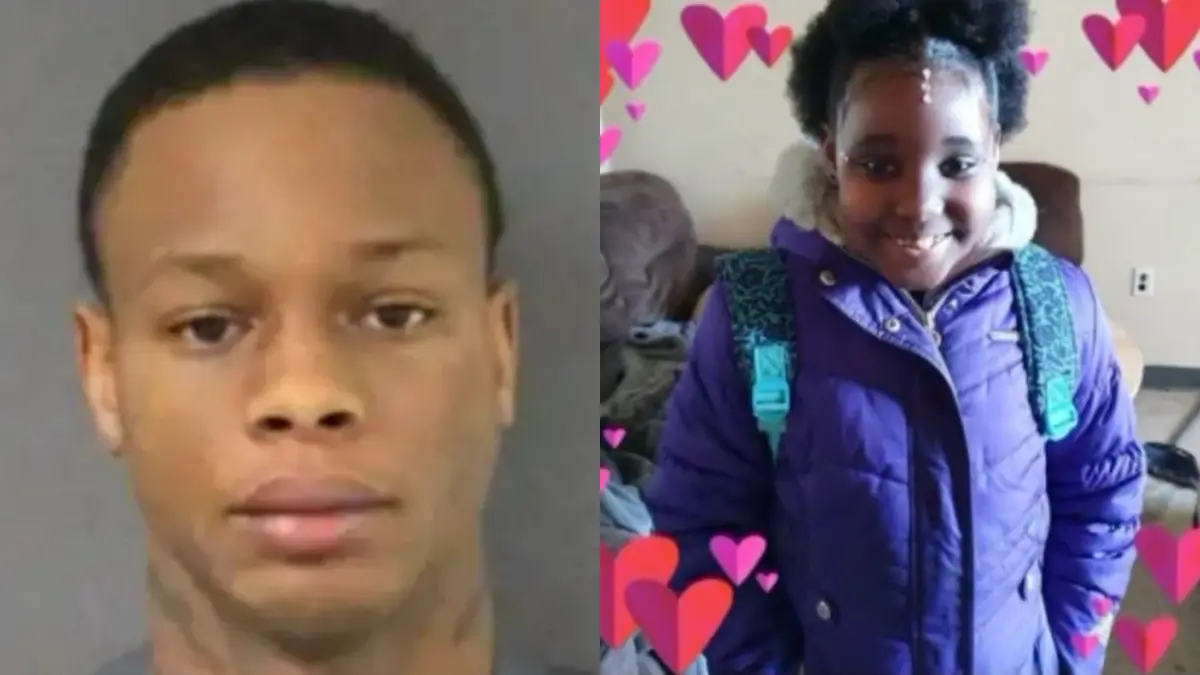
This tragedy was not the result of random violence, but rather an egregious consequence of a dispute fueled by social media. The man responsible, Isiah Roberts, 23, later claimed he was “settling a Facebook beef,” a disturbing revelation that points to deeper issues within our communities and judicial systems. Roberts has since pleaded guilty to aggravated manslaughter and will serve 18 years in prison, yet this sentence barely scratches the surface of the systemic failures that led to Sequoya's untimely death.
The question of accountability looms large in this case. How does one reconcile the loss of an innocent life with the motivations of a man who felt justified in picking up a gun over a virtual quarrel? This incident highlights a growing trend where social media disputes translate into real-world violence, often with devastating consequences. Isiah Roberts's actions raise critical questions about how society handles conflicts, particularly among young people who may be unable to navigate their emotions and disagreements without resorting to violence.
Historically, gun violence in America has been tied to systemic issues like poverty, lack of educational opportunities, and mental health inadequacies. In neighborhoods where access to resources is limited, individuals may turn to violent means to resolve conflicts. This tragic event is emblematic of a broader crisis , the normalization of gun violence in urban settings and the alarming ease with which firearms are accessible to those who feel cornered or disrespected.
The societal implications of this case extend beyond just the individual. They touch upon the failures of law enforcement and the judicial system to adequately address the root causes of violence. Cities like Trenton often grapple with high crime rates, yet the solutions offered by policymakers frequently fall short. Calls for stricter gun control laws stress the need for significant legislative changes, yet the political will to enact such measures remains elusive. Communities continue to bear the brunt of this inaction, leading to tragedies like that of Sequoya Bacon-Jones.
Moreover, the racial dynamics at play cannot be overlooked. The victim was a Black girl, and her death underscores the alarming statistics about gun violence's disproportionate impact on Black communities. The systemic neglect of these communities often stems from a long history of socioeconomic disparities and racial injustice. When incidents like Sequoya's become headlines, the underlying systemic issues often remain unaddressed, leaving communities vulnerable to further violence and tragedy.
Isiah Roberts's case is just one instance among many. It reflects a worrying trend where the ease of accessing guns, coupled with the impulsivity of youth and the eroding social fabric, leads to irreversible consequences. The culture of violence, often glamorized in media and music, seeps into the minds of young individuals who may view firearms as instruments of respect and power. This cultural context shapes behaviors and attitudes that tragically culminate in events like the shooting of Sequoya.
As we digest this heartbreaking story, it is essential to consider what actions can be taken to prevent such tragedies in the future. Community engagement programs aimed at conflict resolution and emotional intelligence could be beneficial. By equipping young people with the tools to handle disagreements constructively, there may be a chance to break the cycle of violence. Mental health resources, especially in communities plagued by poverty and crime, must also be prioritized. It is not enough to punish the perpetrators; proactive measures must address the underlying issues that lead to violence.
Advertisement
The justice system also has a role to play. While Roberts will serve time for his crime, what does that say about our legal framework's effectiveness? Does it deter others or merely serve as a temporary solution? Justice for Sequoya Bacon-Jones should not end with a prison sentence; it should catalyze a community-wide dialogue on the root causes of violence and how to combat them effectively.
In the face of this tragedy, there is a challenge for each reader: to engage with the deeper problems illustrated by this case. As a society, we need to examine our values, our approach to conflict, and our responsibilities to one another. The loss of Sequoya is not just a community issue but reflects a national crisis that demands our attention. The challenge lies in transforming collective grief into collective action, ensuring that no mother has to witness her child die due to senseless violence fueled by social media disputes. As we remember Sequoya, the focus should shift to tangible solutions that seek to protect our children and build a better future.