Jaymon Trey Gilreath Arrest: What His 'Gut Feeling' Shooting Reveals About Justice
By Malik Carter, PowerVault Staff As the sun dipped below the horizon on October 11, 2026, a quiet Indiana neighborhood was shattered by the abrupt sound of gunfire. It was around 8:15 p.m. When Bloomington Police rec...

By Malik Carter, PowerVault Staff
As the sun dipped below the horizon on October 11, 2026, a quiet Indiana neighborhood was shattered by the abrupt sound of gunfire. It was around 8:15 p.m. When Bloomington Police received frantic calls reporting a shooting in the 1000 block of North Illinois Street. Officers arriving at the scene were met with a tragic sight: a young man, lifeless on a porch, his life extinguished by a single shot to the head. The victim, later identified as Noah Slinkard, was pronounced dead despite swift medical intervention. Such an incident pierced the tranquility of the neighborhood, leaving residents in shock and grappling with the unsettling reality that senseless violence had unfolded in their midst.
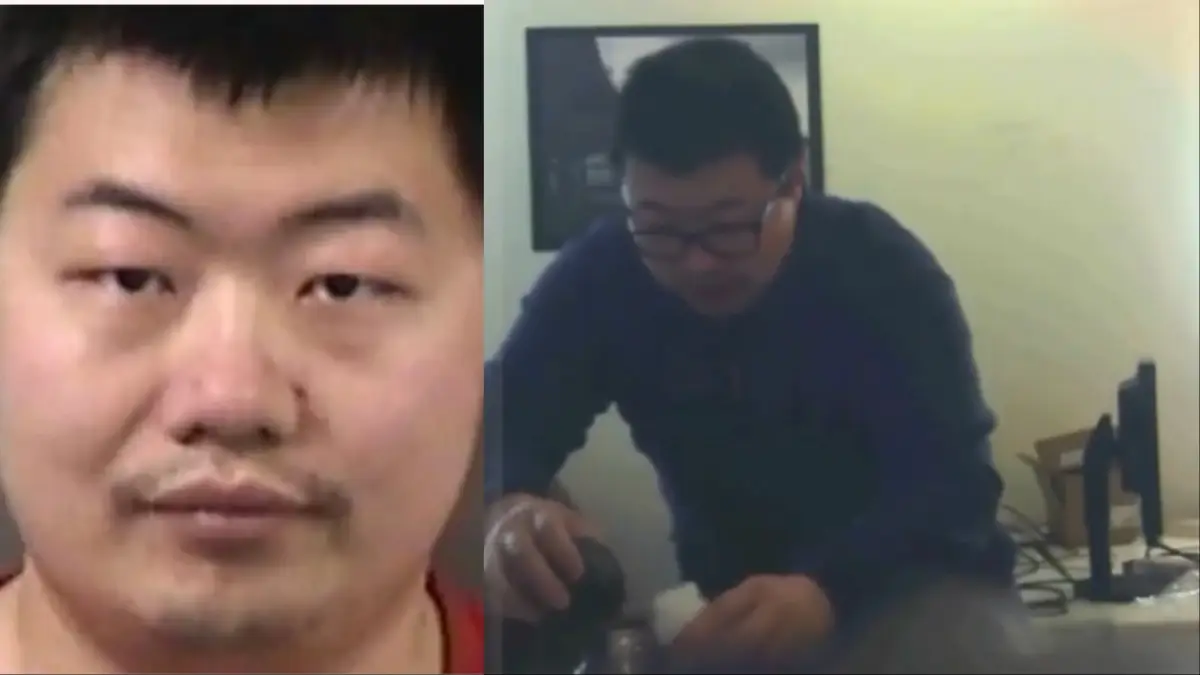
Jaymon Trey Gilreath, a 23-year-old Indiana resident, stands accused of pulling the trigger that ended Noah Slinkard's life. According to Law & Crime, Gilreath acted on a 'gut feeling' that Slinkard was involved with his ex-girlfriend, the mother of his child. This suspicion, based on circumstantial observations rather than concrete evidence, led to a confrontation that culminated in a tragic loss of life. The entire sequence of events, from the approach to the fatal shot, was captured on surveillance footage, providing a stark visual record of the incident. This footage not only serves as critical evidence for law enforcement but also shows the devastating impact of impulsive actions driven by emotional turmoil and unsubstantiated beliefs.
In the immediate aftermath of the crime, Gilreath reportedly confessed to dispatchers during a 911 call, admitting he had shot someone. This call, marked by an unsettling calmness, provided crucial information that allowed Bloomington Police to swiftly locate and apprehend him on West 13th Street, mere minutes after the shooting occurred. As officers processed the scene, they discovered a handgun along the suspect's path, believed to be the weapon used in the fatal encounter. This decisive police response highlighted the gravity of the situation and the need for rapid action to prevent further harm. The community's response, captured in a YouTube video, reflects the collective shock and disbelief at the violent disruption of their peaceful environment.
Bloomington Police detailed how Slinkard was sitting on the porch with a friend when Gilreath approached. The witness recounted seeing Gilreath draw a handgun from his waist and fire at Slinkard before walking away nonchalantly. This chilling act of violence was driven by suspicions rather than facts, posing serious questions about the motivations behind such drastic actions. The eyewitness account, corroborated by surveillance footage, paints a picture of a calculated yet impulsive act fueled by jealousy and a misguided sense of betrayal. The stark contrast between the nonchalance of Gilreath's departure and the gravity of his actions shows the dangerous intersection of emotional instability and access to firearms, raising profound concerns about the triggers of such violence.
Court documents reveal that Gilreath had been attempting to contact his ex-girlfriend throughout the day, frustrated by her lack of response. His suspicion grew upon spotting her vehicle near her mother's house, where Slinkard was also present. According to WTHR, Gilreath even warned his friends of impending violence, telling them to 'go' if they heard gunfire. This premeditation, coupled with his inability to manage his emotions, highlights the volatility of the situation. The fixation on perceived infidelity, compounded by Gilreath's inability to reach his ex-girlfriend, created a pressure cooker of emotions that ultimately erupted in violence. The warning to his friends indicates a conscious awareness of his potential for violence, yet it did nothing to prevent the tragedy that unfolded.
This tragic event is not isolated but part of a disturbing trend of violence spurred by emotional turmoil and possessiveness. Similar cases, like the 2017 murder of Jada West, highlight how jealousy-fueled actions have dire consequences for all involved. In the Jada West case, unresolved personal conflicts led to fatal outcomes, underscoring the need for systemic intervention. These incidents raise concerns about how effectively our legal system manages interpersonal conflicts and the emotional triggers leading to violence. Despite the clear patterns, there remains a lack of proactive measures to address the root causes of such crimes. The recurring nature of these tragedies suggests a systemic failure to equip individuals with the tools necessary to resolve conflicts constructively, pointing to a broader societal issue that demands attention and action.
The justice system often reacts to the symptoms of violence rather than addressing the root causes.
The justice system often reacts to the symptoms of violence rather than addressing the root causes.
This case raises critical questions about the influence of possessive tendencies and emotional instability in violent crimes. Gilreath acted on a 'gut feeling,' showcasing a dangerous mix of paranoia and entitlement. Such behaviors, often rooted in deep-seated insecurities and societal notions of ownership over partners, exacerbate conflicts and lead to tragic outcomes. Society must confront these toxic behaviors to prevent future tragedies. Addressing these issues requires a layered approach that includes education, mental health support, and cultural shifts in how relationships and emotions are perceived and managed. By fostering environments that encourage healthy emotional expression and conflict resolution, we can begin to dismantle the dangerous ideologies that contribute to interpersonal violence.
The justice system's role in these scenarios is often limited to punitive measures rather than preventive strategies. There needs to be a shift towards addressing mental health and emotional regulation within communities, providing resources and support before conflicts reach a breaking point. This approach could potentially save lives by diminishing the likelihood of crimes driven by emotional reactions. By integrating mental health education and resources into community programs and schools, we can equip individuals with the tools to manage emotions constructively and identify when they need help. Prevention should focus on creating supportive environments that prioritize mental well-being and offer accessible resources for those in crisis, thereby reducing the incidence of emotionally driven violence.
For the community, this incident serves as a stark reminder of the importance of effective communication and conflict resolution. The culture often glorifies reactive masculinity, skewing perceptions of strength and vulnerability. This societal norm perpetuates the idea that emotions should be suppressed or expressed through aggression, rather than through open dialogue and understanding. Rather than turning to violence, individuals must be equipped with the tools to express emotions constructively. Implementing educational programs that focus on emotional intelligence and healthy relationship dynamics can foster environments where individuals feel safe to express themselves without fear of judgment or retaliation. Such initiatives are essential for creating safer communities and preventing senseless loss of life, as they encourage personal growth and understanding over destructive reactions.
Racial and socioeconomic factors cannot be ignored in examining this case. Historically, marginalized communities face systemic barriers to accessing mental health resources, amplifying feelings of isolation and despair. These communities often experience higher rates of violence, not only because of limited resources but also due to systemic inequities that exacerbate stressors and reduce access to supportive services. This incident reflects broader societal failures where marginalized voices remain unheard until tragedy strikes. To address these disparities, there must be a concerted effort to ensure equitable access to mental health services and resources across all communities. This underlying dynamic necessitates a reevaluation of resource allocation and support systems to bridge these gaps, ensuring that all individuals, regardless of their background, have the opportunity to seek help and support when needed.
As Jaymon Trey Gilreath awaits his court proceedings, the community and broader society must grapple with the implications of his actions. The upcoming hearings will determine his fate, but the broader issue of addressing the emotional triggers behind such violent acts remains. This case challenges us to rethink how justice is served, not just in terms of punishment but in preventing future incidents through comprehensive support and intervention. By focusing on preventive measures, such as mental health education and conflict resolution training, we can work towards a more holistic approach to justice that prioritizes healing and prevention. We must look beyond the immediate act and work towards healing the fractures within our communities, fostering environments where violence is not seen as a viable solution.