
Keffe D’s Tupac Appeal: What Happens Without a Lawyer?
By Malik Carter, PowerVault Staff Duane “Keffe D” Davis’ Tupac murder appeal has been accepted by Nevada’s Supreme Court, but his attorney has died. That leaves a serious question hanging over the next stage: who will...
Advertisement

By Malik Carter, PowerVault Staff
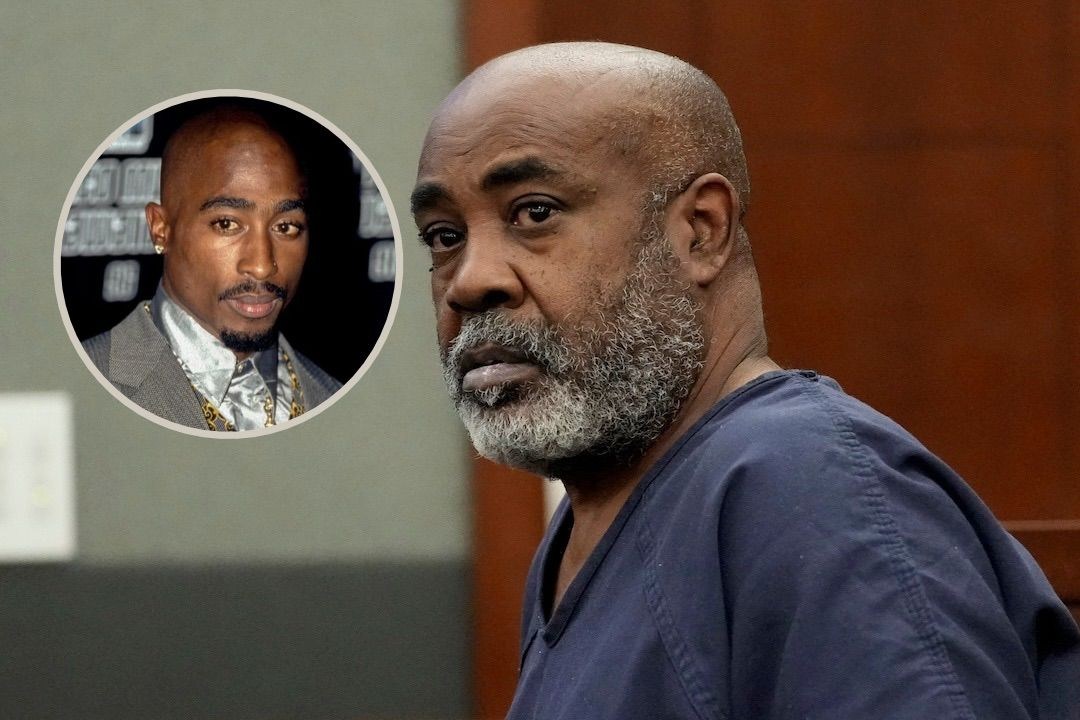
Duane “Keffe D” Davis’ Tupac murder appeal has been accepted by Nevada’s Supreme Court, but his attorney has died. That leaves a serious question hanging over the next stage: who will handle his case? Acceptance does not mean Davis has won an argument, secured another trial, or overturned his conviction. It means the appeal has entered the court’s process, according to the reporting available. His sentence remains 40 years to life, and the reporting identifies no ruling undoing that punishment. For a case carrying decades of grief and speculation, that distinction matters. A court filing deserves attention without getting dressed up as a victory the record does not establish.
According to XXL’s reporting on court records, attorney Michael Sanft submitted Davis’ notice of appeal on Oct. 30. The Nevada Supreme Court clerk officially filed the case on Monday, Nov. 9. XXL also reports that Sanft died last week at his Las Vegas home, leaving Davis without representation. Details surrounding his death have not been released, and police are investigating. Those are separate developments with separate unanswered questions, not evidence of some coordinated move behind the scenes. Nothing in the supplied reporting establishes a connection between his death and the Tupac prosecution. Treating those facts as an invitation to build a conspiracy would disrespect Sanft’s family and mislead readers about what is actually known.
The deadlines are already part of the story. Court documents cited by XXL give Davis two weeks to submit a transcript request form and three weeks for a docketing statement. His opening brief is due within 120 days. Those documents serve different purposes: obtaining the record, identifying the appeal, and presenting the legal argument. They are not interchangeable pieces of paperwork. Filing the notice started a process; it did not finish the work needed to put his challenge before the justices. Without counsel, meeting those requirements becomes a practical concern before any larger courtroom showdown. The report does not establish whether replacement counsel has been arranged or whether those deadlines will change. The accompanying video belongs alongside that distinction between coverage and court action.
Video coverage cannot substitute for the judgment being challenged. XXL reports that Davis, 63, received a sentence of 40 years to life in October after a first degree murder conviction. Following the verdict, he told Judge Carli Kierny that he wanted to appeal and recover property taken during the investigation. “I'd like to have all my stuff back,” Davis told the judge, according to XXL. “The computers, all of the phones, everything. And I'd like to appeal this matter.” That statement expressed his intentions, not a court decision granting either request. Those requests should not be folded together. Seeking the return of seized property and challenging a conviction involve different legal questions, even when a defendant raises both in one appearance.
Prosecutors’ account places Davis inside the vehicle involved in the Sept. 7, 1996, shooting and identifies him as the person who supplied the gun. Police described the shooting as retaliation after Tupac and Death Row associates attacked Davis’ nephew, Orlando Anderson, following a Mike Tyson fight. Anderson, the alleged gunman, died in 1998. XXL reports that the other two men believed to have been involved also died. Those deaths matter because those men cannot now be questioned in court. That does not automatically settle whether the conviction was sound. Nor does calling Anderson the alleged shooter erase the separate role prosecutors attributed to Davis. The second video below accompanies coverage of a case whose legal record still demands separate attention.
Neither video can compress the history into a complete account. Tupac died on Sept. 13, 1996, six days after the shooting. The Notorious B.I.G. Was killed in Los Angeles on March 9, 1997. Their deaths became attached to an East Coast versus West Coast frame that often swallowed the people behind the records. Tupac’s 1995 album Me Against the World and 1996 Death Row release All Eyez on Me belong to another history: an artist turning fear, ambition, tenderness, and contradiction into music. For listeners who know him through “Dear Mama” or “Ambitionz Az a Ridah,” the range is the point. No courtroom update should reduce that voice to a permanent crime story. Remembering those records is not a distraction from the case. It explains why reporting on his death carries obligations beyond producing another recognizable headline.
The real test is whether this case gets treated as law or endless entertainment.
A defendant’s right to challenge a conviction does not depend on whether the public likes him.
For Davis, the immediate issue is representation, not a better public image. A defendant’s right to challenge a conviction does not depend on whether the public likes him. That principle can coexist with respect for Tupac and everyone who mourns him. An appeal ordinarily examines claimed legal errors through the trial record; it does not simply rerun public arguments about guilt. The supplied reporting does not identify Davis’ proposed grounds for appeal. His request to appeal after the verdict established his intention, not the specific legal reasoning his opening brief would need to present. Nobody should pretend to know which argument will succeed before seeing the brief. Losing an attorney at this stage makes continuity urgent, but sympathy and suspicion are equally poor substitutes for examining what the court eventually receives.
The media business has its own incentive here: familiar names keep generating traffic long after the underlying event. Every procedural update can become a trailer for a promised revelation. PVN’s coverage of Drake’s dispute over YouTube streams addresses another setting where measurement shapes what gets rewarded. Court coverage needs a different scoreboard. Accuracy should outrank engagement, especially when a headline can make docketing sound like exoneration. A thumbnail promising that Davis is coming home would claim an outcome these records do not establish. The distinction belongs in the headline, not buried underneath it. Publishers should explain what changed, identify what remains unknown, and resist selling suspense through a dead artist’s name. A larger audience does not make a weaker claim stronger. That same standard should apply to the Instagram reel below.
An Instagram reel cannot establish what an appellate court has decided. Audiences deserve more than being told to pick a side beneath a clip. For younger listeners, Tupac may arrive through edits, documentaries, playlists, and arguments inherited from people who lived through 1996. That distance makes source checking more necessary, not less. A confident voiceover and archival footage can make an unsupported conclusion feel documented without supplying the court order that would prove it. Readers should separate a prosecutor’s allegation, a jury’s verdict, and an appellate ruling before sharing any post that blurs them. Supporting Tupac’s legacy does not require treating due process as an insult. Respect for the people affected means refusing to turn each filing into a loyalty test. Fans can demand accountability without acting like comment sections are courtrooms.
Race and money also shape whose life gets reduced to a marketable story. Black artists can generate enormous value while their communities absorb the losses behind the headlines. Tupac’s catalog, public image, and murder case are distinct subjects, even when the attention economy bundles them together. Attention to a murder appeal does not itself tell readers who owns recordings, controls publishing, or receives revenue from the music. PVN’s reporting on Damon Dash and the Roc archives offers a separate ownership question: who controls the material through which Hip Hop remembers itself? Nothing in this appeal reporting establishes a catalog transaction or label maneuver. The connection is about power over memory, not a hidden business plot. Black audiences deserve both cultural ownership and legal reporting that refuses shortcuts.
Advertisement
Next, watch for confirmed representation, any orders changing the filing schedule, and the opening brief itself. That brief should show what Davis actually wants the Supreme Court to review. Until then, predictions about reversal or a new trial run ahead of the available facts. The court’s acceptance of the filing is a procedural development, not a verdict on the appeal’s merits. Sanft’s death adds uncertainty that deserves careful reporting rather than speculation. Tupac’s work will keep reaching listeners regardless of the next docket entry. The challenge for everyone covering this case is simpler: stop making the headline bigger than the evidence.
More from PowerVault Network:
