
Lionel Richie Returns to Vegas: What Comes After Rest?
By Malik Carter, PowerVault Staff Lionel Richie returned to his Las Vegas residency November 11 after a heart procedure, putting his recovery ahead of the concert calendar. The 77-year-old singer opened another “King...
Advertisement

By Malik Carter, PowerVault Staff
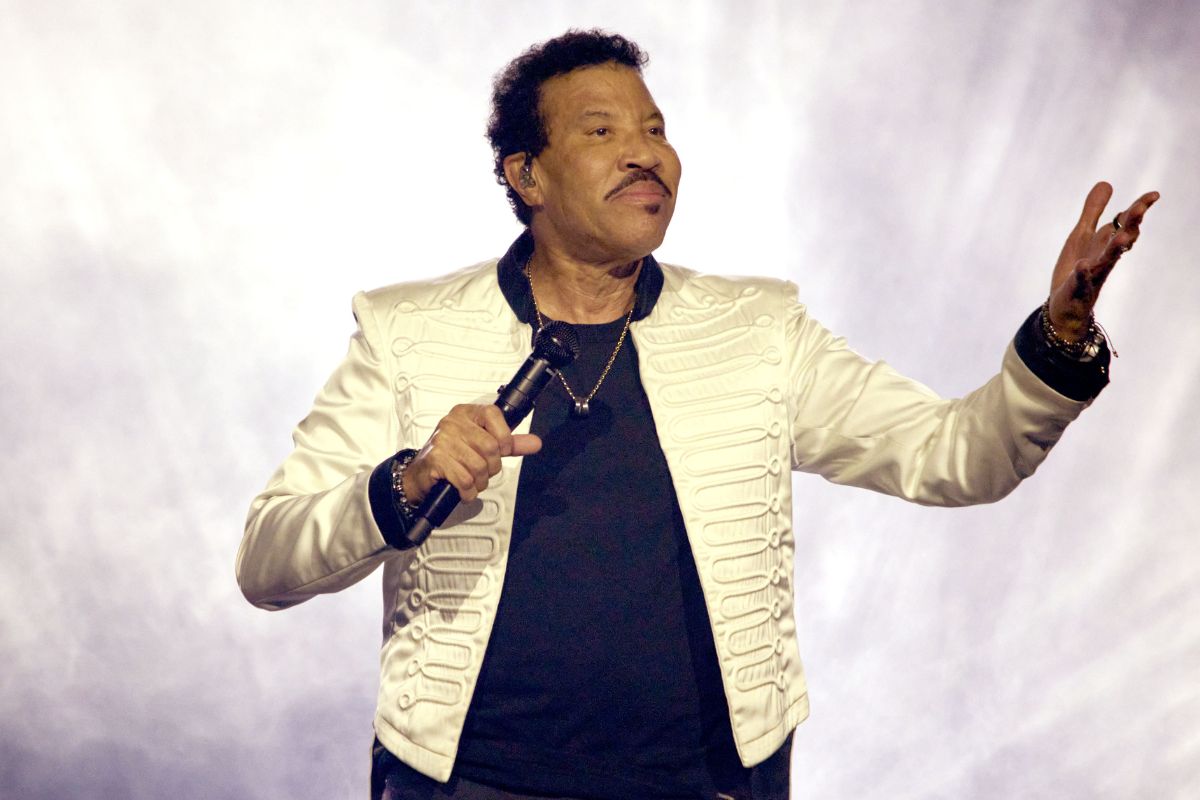
Lionel Richie returned to his Las Vegas residency November 11 after a heart procedure, putting his recovery ahead of the concert calendar. The 77-year-old singer opened another “King of Hearts” run at Encore Theater at Wynn after weeks away from performing. That is welcome news for fans who watched health problems interrupt his schedule this year. Still, a successful return should not become permission to pretend the interruption never happened. For listeners raised on his music at family gatherings, that concern reaches beyond a purchased ticket. Richie has spent decades making records that soundtrack other people’s lives. His own health deserves more consideration than whether the next show starts on time.
According to the Las Vegas Review-Journal’s account of Wednesday’s performance, Richie addressed his absence instead of leaving fans to guess. “I’m back! I don’t know where I was, but I’m back!” he told the audience. The humor sounded like a performer reclaiming his familiar space, but the medical background was real. Richie underwent treatment for atrial fibrillation in September. His representative described the procedure as successful and said recovery required time away from work. That distinction matters. The announcement described a recovery process, not simply an empty stretch on the booking calendar. A successful procedure and an immediate return to performing are not the same thing, regardless of how badly a room wants its favorite singer back.
The September treatment followed other disruptions. Richie became ill during a June performance, and an August hospital visit interrupted his concert plans again. Shows with Earth, Wind & Fire were canceled before this latest return. Those are separate reported events, not enough evidence for outsiders to diagnose a larger medical problem. The public record supports concern, not speculation about what doctors have privately told him. Putting those dates in order helps explain the attention around his return without inventing a connection between every interruption or claiming an undisclosed prognosis. AllHipHop’s earlier coverage of the canceled shows documents the uncertainty fans faced before Wednesday’s appearance. That reporting provides the health context for the accompanying video below.
Richie offered his own assessment from the stage: “I feel just fine, thank you all so much for caring about me,” he told the Las Vegas crowd. That reassurance deserves to be heard without turning it into a medical guarantee. Wednesday’s set pulled from his solo catalog and his years with the Commodores. It also paired him with footage of Kenny Rogers for “Lady,” which Richie wrote for the country star. The selection points to something younger listeners can miss. Richie’s reach was never limited to the records carrying his face on the cover. That songwriting credit puts a Black creator at the center of a country star’s signature repertoire. Sometimes his pen reached an audience before his voice did.
That pen connects “Easy,” “Still,” and “Three Times a Lady” to a solo career that delivered “Hello” and “Dancing on the Ceiling.” Add his songwriting contribution to the 1985 charity single “We Are the World,” and the range becomes hard to dismiss. Four Grammys, an Oscar and a 2022 Rock & Roll Hall of Fame induction recognize different parts of that work. Richie also produced “The Greatest Night in Pop,” which premiered at Sundance in 2024 and earned three Primetime Emmy nominations. Producing also gives him a role in how music history gets documented for another generation. His career keeps finding new formats, not merely new concert dates. Another accompanying video follows below as that broader body of work comes into focus.
Las Vegas has been part of Richie’s career for a decade. His first headlining residency there began in April 2016, long before this latest “King of Hearts” run. The format carries history for Black performers. Sammy Davis Jr. Helped define Strip entertainment while confronting racism that fame could not erase. Later generations entered a city where a residency could offer an alternative to constant travel. Richie’s place in that history deserves more than the old joke about Vegas being where careers go to retire. A catalog built across the Commodores, solo pop and songwriting can sustain a room without chasing a new release every Friday. Those songs give audiences multiple entry points, whether they arrived through the group’s ballads, his solo records or another singer performing something he wrote. That is durability, not a consolation prize for surviving the charts.
The real test is whether fans and the business can respect a legend without demanding endless proof.
A ticket buys a performance, not ownership of somebody’s remaining years.
For Richie, the strongest part of this return may be that he took time away before making it. Nobody outside his care team can establish what schedule is right for him. Fans can, however, stop treating rest like a character flaw. Calling every return a battle against age makes ordinary limits sound like personal failures. A ticket buys a performance, not ownership of somebody’s remaining years. The applause should recognize the work he chooses to do, not pressure him into doing more. Support can mean accepting a postponed night without turning disappointment into a public referendum on an artist’s commitment to the audience. There is dignity in an artist deciding when to step back, then returning without having to apologize for needing recovery. His catalog has already made its case.
The business has a different responsibility: build schedules that can absorb a human interruption. A residency can reduce travel, but performing still means rehearsals, staffing and repeated physical effort. Nothing in the available reporting establishes Richie’s contract terms, insurance coverage or financial obligations. Pretending otherwise would be fake industry insight. The useful distinction is between the revenue a show generates and the rights attached to the songs. Ticket sales, publishing income and master recording income are different streams. Publishing concerns the underlying composition; master rights concern a particular recording. A songwriting credit alone does not establish current ownership. PVN’s coverage of Kandi Burruss’s songwriting recognition offers a related reason to value the writer behind familiar hits. None of those revenue streams should become an excuse to treat recovery as wasted inventory.
Younger listeners have a responsibility here, too: learn the credits before reducing a legend to a familiar chorus or a parent’s playlist. Richie’s appearance with footage of Rogers makes the point. A song can cross genres while its writer becomes less visible to parts of the audience. Knowing who wrote “Lady” changes how that performance lands. The same curiosity should follow rap samples, interpolations and hooks borrowed across generations. Sampling uses an existing recording; interpolation recreates material from a composition. Either route gives listeners a reason to investigate credits. PVN’s look at who gets credit for Bay Area Hip Hop’s influence approaches a related question of recognition. Enjoying the finished record is easy. Following the names behind it is how listeners become caretakers of music history instead of consumers of its highlights.
Race and class shape who gets to experience that history live. A Las Vegas residency asks fans to reach one destination, often adding travel and lodging to the ticket price. That does not make the format wrong, but it limits access. Black families who kept Richie’s records in rotation may not be the people sitting closest to the stage. Their connection to the catalog does not become less meaningful because a Vegas trip falls outside the household budget. Meanwhile, crossover success can encourage coverage that treats a Black artist’s roots as background information. The Commodores are not a footnote to the Vegas headliner. They are central to understanding the songwriter onstage. Celebrating Richie properly means holding both truths together: his music traveled widely, and Black musical traditions helped give it somewhere to start.
Advertisement
Wynn’s calendar lists November 13 and 14 performances, followed by January 8 and 9. Those dates provide the next checkpoints, not proof that every health concern has disappeared. Fans should watch official scheduling updates rather than treating a strong night as a promise about the months ahead. A posted calendar tells fans what is planned, not what recovery must deliver. The more useful long view is whether Richie can keep performing on terms that respect his recovery and his choices. He has already supplied decades of songs, credits and memories. The audience can supply some patience in return. A legend should not have to exhaust himself to prove he still belongs.
More from PowerVault Network:
