Tyriq Withers’ Bella Noche Airport Clip Has a Point
By Tanya Brooks, PowerVault Staff Tyriq Withers brought the Bella Noche meme to an airport shutdown, turning his travel trouble with Daniel Kaluuya into a viral comedy moment. The actors were stranded in Eugene, Orego...
Advertisement

By Tanya Brooks, PowerVault Staff
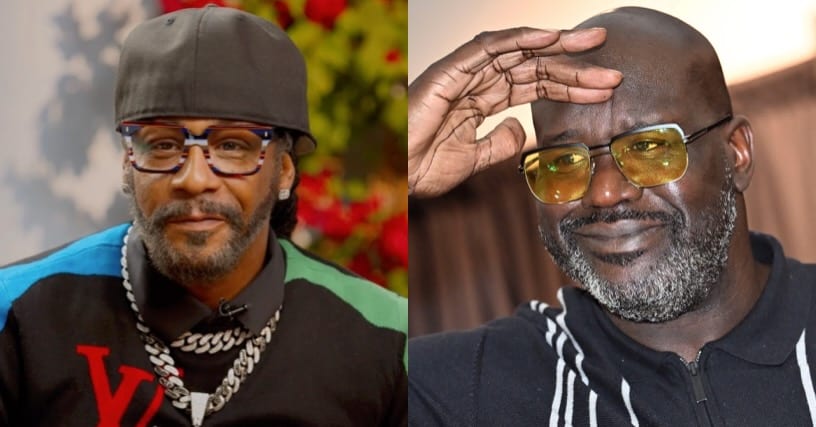
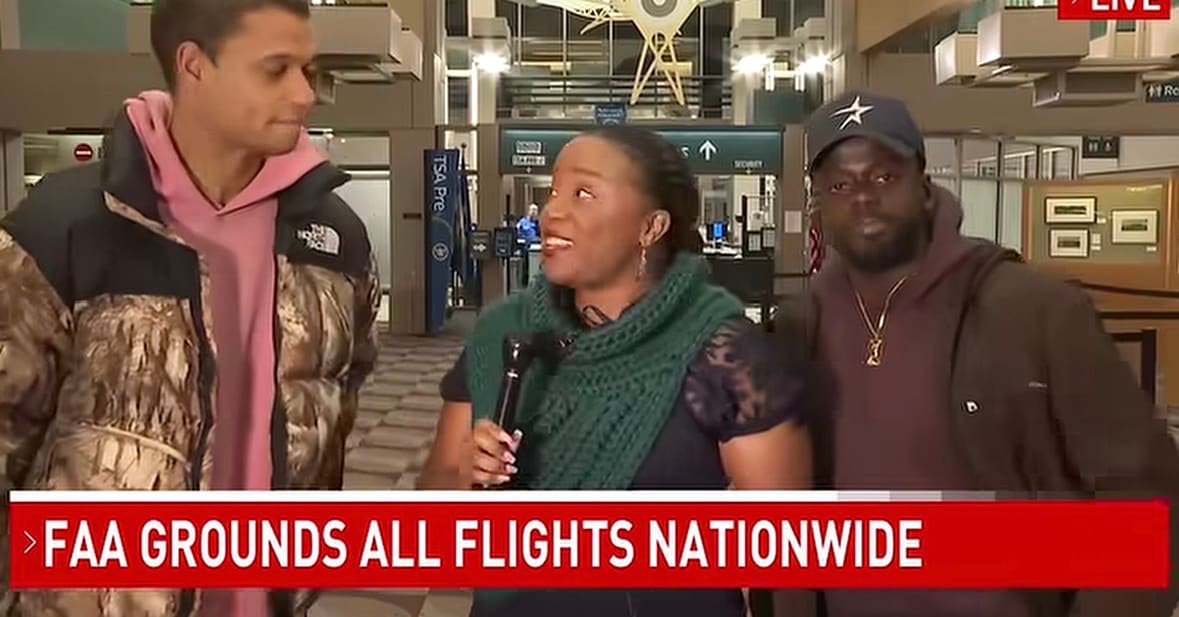
Tyriq Withers brought the Bella Noche meme to an airport shutdown, turning his travel trouble with Daniel Kaluuya into a viral comedy moment. The actors were stranded in Eugene, Oregon, on Friday, Nov. 13, after a nationwide FAA ground stop disrupted their flight. A local television interview gave Withers an opening, and he knew exactly which reference belonged in that moment. No red carpet setup necessary, just a local news microphone and a reference the group chat could recognize. Kaluuya supplied the calmer response: frustration was understandable, but safety mattered more. Together, they delivered something celebrity clips rarely manage this neatly: a laugh without making airport workers or fellow passengers the punch line.
Local station KVAL interviewed the actors alongside other travelers affected by the grounding. Its reporting captured a familiar airport split, with some passengers frustrated and others grateful officials had stopped flights. According to the supplied account of the KVAL interview, the FAA action forced Withers and Kaluuya off their flight. The celebrity moment emerged inside a broader passenger story, not a scheduled promotional interview where everybody arrived ready to sell us something. Their appearance has since circulated widely, though the available reporting gives no verified view count. There is also no established explanation here for why they were traveling together. A shared airport interview is evidence of a shared travel headache, not permission to announce a secret project.
Withers reached for the Baton Rouge reference that has become shorthand for an inconvenience so ridiculous it deserves a dramatic response. The original Bella Noche clip featured two women reacting after a shooting at the Louisiana club. Its memorable complaint traveled far beyond that local news report. At the airport, Withers adapted the familiar setup to the question of where anyone could go if even flying was off the table. He also told KVAL, “I just want to thank God and the FAA for protecting us, post-blue wave as well”. That political aside referenced a recent sweep of newly elected Democratic officials following the midterm elections, tucked right into his thanks. The interview below captures his pivot from gratitude to perfectly timed disbelief.
The clip pairs Withers’ comic delivery with Kaluuya’s more measured assessment. Kaluuya told KVAL, “Obviously it’s an inconvenience, but I feel grateful…Think how many lives it probably saved.” That last thought should remain what it is: his expression of relief, not an official estimate of lives saved. No such calculation appears in the supplied reporting. His point still lands. Passengers could dislike the disruption while accepting that uncertain air traffic systems demanded caution. Being thankful for a safety call does not magically make a canceled itinerary less irritating, and his response allowed for that. Neither actor needed to pretend the situation was enjoyable. Their contrasting responses worked because both left room for the same basic truth: arriving late beats taking an avoidable risk.
The operational details make this bigger than a celebrity travel mishap. Transportation Secretary Sean Duffy said radar and communications systems became unstable at 3:36 p.m. Eastern, with airspace reopening at 8:15 p.m. The FAA attributed its nationwide ground stop to communication problems affecting multiple Air Route Traffic Control Centers. Reuters, citing FlightRadar24, reported more than 6,600 cancellations and 8,600 delays, according to the supplied source account. Duffy said switches and routers became overloaded with data. Two airline officials said the outage appeared to affect a network overseen by L3Harris, another detail requiring investigative follow through. Those are reported explanations, not a completed technical investigation. Reuters also described the interruption as the longest nationwide flight shutdown since Sept. 11, 2001. That comparison measures disruption, not cause.
January 11, 2023, offers a useful comparison. The FAA halted domestic departures after its Notice to Air Missions system failed, putting an obscure aviation information system into everyday conversation. That outage and this reported disruption involve different systems and should not be treated as identical failures. Both demonstrate how quickly technical infrastructure becomes everybody’s business when flights stop moving. A familiar historical comparison can explain the scale, but it cannot substitute for identifying which equipment failed this time. The Bella Noche reference follows another familiar path: local Black voices becoming a shared national vocabulary through repeated online circulation. Antoine Dodson’s 2010 Huntsville news interview followed a comparable route into meme history. Recognition travels faster than context. These clips can carry wit across generations, even when the serious circumstances behind their creation receive far less attention.
The joke deserves its flowers, but the systems failure should not get a free pass.
Celebrity inconvenience gets attention, but public infrastructure deserves scrutiny before somebody famous misses a flight.
For Withers and Kaluuya, the appeal is that neither man appears interested in performing celebrity importance. There is no demand in the reported exchange for special treatment. Nobody needs to shame another traveler to make the clip entertaining. That is refreshing when so much celebrity coverage rewards conflict before character. The pleasure here is watching two recognizable Black men meet an ordinary frustration with humor and perspective instead of turning it into somebody else’s humiliation. Still, a funny interview should not become a personality certification or proof of some flawless friendship. Audiences saw a brief exchange under inconvenient circumstances. It was charming enough on its own. Black actors deserve room to be funny, tired, gracious, or mildly annoyed without every unscripted minute becoming an audition for permanent public approval. Let a good moment breathe.
The aviation system, meanwhile, owes passengers more than a memorable explanation about overloaded equipment. A useful public accounting would establish what failed, why safeguards did not contain it, and which repairs can prevent a repeat. That is the standard behind PVN’s examination of why Sean Duffy’s FAA ground stop needs more than blame. Grounding flights can be the responsible immediate decision while the underlying failure still demands scrutiny. Both judgments can stand. At the time of the reporting, about 1,500 Sunday flights had already been canceled, making recovery more than a theoretical concern. Officials should not have to choose between acknowledging the people who protected passengers and answering for the conditions that required emergency action. Gratitude is not a waiver of accountability. Travelers deserve specifics, not competing victory laps.
For the audience, there is also a difference between enjoying a reference and flattening the people who made it possible. Black women’s humor often becomes communal shorthand while their names and original circumstances fade. Remembering that Bella Noche began with women responding to a frightening local event does not cancel the joke. It gives the joke its history back. Their delivery is what people keep quoting, but the women were responding to something real, not filming a comedy sketch for our timelines. The same care belongs in how viewers discuss a viral Niecy Nash cooking clip: enjoy what is actually there before manufacturing extra drama. A recognizable face or phrase is an invitation to watch closely, not a license to invent. Sharing the laugh should not require losing the people inside it.
Money changes what being stranded costs, even when everyone faces the same departure board. An actor may have resources or professional support that a student, hourly worker, or parent traveling with children does not. This reporting does not establish what help either man had, so assumptions belong outside the story. The broader imbalance still matters. An extra hotel night can threaten one traveler’s budget while barely disturbing another’s. A missed shift can hurt longer than the delay itself. Childcare arrangements and transportation from the airport can also unravel when an arrival time changes, creating expenses that never appear on a departure board. Celebrity inconvenience gets attention, but public infrastructure deserves scrutiny before somebody famous misses a flight. The test of recovery is how ordinary passengers get home, not whether recognizable ones stay gracious on camera.
Advertisement
Next comes the part that needs attention after the clip stops circulating: the investigation, the recovery, and clear information for affected passengers. The supplied reporting does not establish when Withers and Kaluuya finally left Eugene. Nor does it provide a final technical finding, so neither outcome should be filled in for a tidy ending. Their interview can remain a bright spot without becoming the whole account of a national disruption. Give Withers credit for the reference and Kaluuya credit for the perspective. Then keep watching the people responsible for the system. The group chat can enjoy the joke and still expect the airport to work.
More from PowerVault Network: