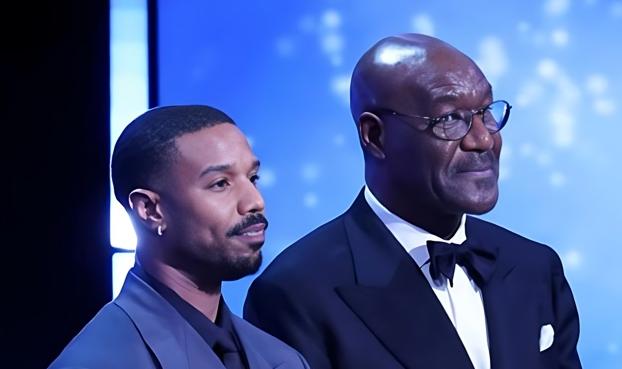
The British Academy of Film and Television Arts (BAFTA) is faced with the aftermath of a contentious incident that marred its 2026 film awards—an event overshadowed by the use of the N-word during a live segment. In response to public outcry and calls for accountability, BAFTA has embarked on a path of introspection and reform, unveiling a series of changes aimed at addressing the internal gaps exposed by an independent review. While the organization acknowledged its shortcomings, it firmly rejected any notions of systemic racism, stating that the investigation found no evidence of intentional bias or discriminatory practices.
The controversy erupted when the N-word was used inappropriately on stage, leading to a swift backlash from audiences and industry professionals alike. BAFTA has since expressed regret over the incident and emphasized its commitment to fostering a more inclusive environment within the film and television sectors. In doing so, the organization has taken responsibility for the missteps that led to this moment, insisting that it is dedicated to learning from the experience and ensuring such a situation does not arise again.
Reactions from the public and industry insiders have been mixed. While some appreciate BAFTA’s acknowledgment of its faults and its willingness to implement changes, others remain skeptical about the effectiveness of such measures. The rejection of institutional racism claims has particularly stirred debate, with critics urging BAFTA to take a more comprehensive look at its practices and the broader industry context. This incident has highlighted the ongoing conversation about race, accountability, and representation in Hollywood, and the expectations for organizations like BAFTA to lead the way in driving meaningful change.
As the organization moves forward, its next steps will be scrutinized closely. BAFTA’s commitment to transparency and action will be crucial in determining whether it can regain the trust of the diverse communities it aims to represent. This moment serves not only as a wake-up call for BAFTA but as a reminder to the entire entertainment industry that challenges regarding race and inclusion are ongoing. The hope is that, through continuous effort and vigilance, the industry as a whole can arrive at a more equitable future.
About The Author